Lean concepts about Problem solving
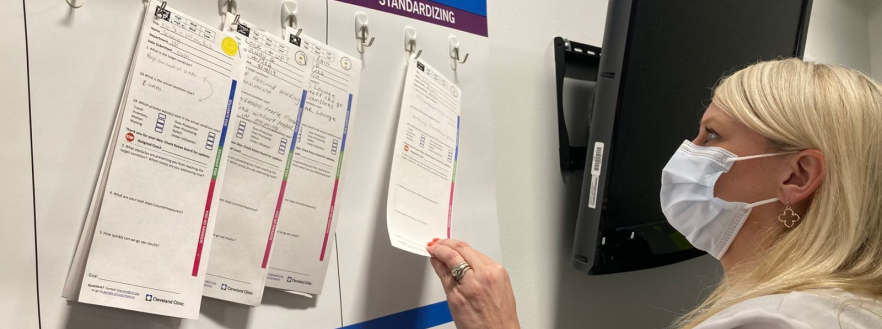
A3
A practice pioneered by Toyota in which the problem, the analysis, the corrective actions and the action plan are written on a single sheet of paper (A3 size), usually with graphs and figures. At Toyota, A3 reports evolved into a standard method for problem solving, status reporting and planning exercises such as value stream mapping. A3 is the international term for a sheet of paper 297 millimeters
Error-Proofing
Methods that help operators avoid mistakes in their work, such as choosing the wrong part, assembling a part incorrectly, forgetting a component, etc. Also known as poka-yoke (defect-proofing) or baka-yoke (foolproofing). See : Inspection, Jidoka.
Five Whys
The practice of asking "why?" repeatedly whenever a problem is encountered, in order to go beyond the obvious symptoms and thereby discover the root cause. See: Kaizen, PDCA.
Four Ms
Variables manipulated by a production system with the goal of creating value for the customer. The first three refer to resources and the fourth to the way those resources are used. In a lean system, the 4Ms mean: Material - no defects or shortages. Machines - no breakdowns, defects or unplanned stoppages. Manpower - good work habits, the necessary skills, punctuality and attendance. Method - standardized processes, maintenance and management.
LAMDA Cycle
The basic learning cycle of lean product and process development, comprising five classes of development activity: look, ask, model, discuss, and act. See : Lean Product and Process Development.
PDCA (Plan, Do, Check, Act)
Improvement cycle based on the scientific method of proposing a change to a process, implementing the change, analyzing the results and taking the appropriate action. Also known as the Deming Cycle or Deming Wheel, because the person who introduced the concept in Japan in the 1950s was W. Edwards Deming.
Poka-Yoke
See: Error-Proofing.
Articles
Leading in the age of AI
The waste the company has learned to sustain
Daily management in distribution centers
From Agile to Lean Tech: Theodo's journey toward learning at scale
It is not the event, it is the interpretation
Industrializing AI for Software Development: a roadmap applicable to every sector
What color is it?
Agribusiness: a global paradox
Practicing visual management in logistics
Building a learning hospital
Lean without Jidoka is just Fordism
Facts or data?
Executing strategy through Daily Management
Read article

Leading from the front, leading from behind the scenes
How to “tackle” middle-management weaknesses in civil construction
How we gradually built our Continuous Improvement model
Developing a purposeful lean problem-solving system
Muri: tackling organizational overburden
The solution to the talent shortage may lie in World War II
Boeing executives failed at leadership, forgot the lessons of lean
The art of deciding: understand the 5 stages of decision-making
Difficult conversations at work should not be avoided
Lean Thinking practice increases productivity in Vale's railway operation
Lean helps us keep our promise to the customer
In service of customer centricity
Creating value through reverse logistics
5 ways to improve our connection with the gemba
What lean thinking reveals about logistics problems
Transforming your business starts with transforming people
Lean lessons for the climate crisis
A mix of hopes and uncertainties, 2022 will demand deeper “problem solving”
What do you do when the problems are solved?
Reaching your organization's full potential
Lean decision making
Understanding reality in detail is the essence of problem solving
Want to learn more about Problem solving?
Get in touch with our experts.