

What lean thinking reveals about logistics problems

In a
recent scientific study
of 38 logistics flows at three different
companies, it was found that 40% of logistics workflows are waste. What
is most alarming is the fact that this waste was not, at any point in the study,
identified by employees and managers. Lean philosophy has the explanation and the
solution for these problems.
Why don't we see waste?
It is very common to see companies tracking their business results. However, it is less common to see them following processes closely. If there is no standard for the process, only for the result, then as long as the result is achieved, even at the expense of unknown procedures, there is nothing to worry about. In fact, this mistake of looking only at the result and not recognizing that during the process we consume resources in the form of waste hides a whole series of opportunities.
In the sample of work processes examined, much of the waste was not seen by the teams and managers due to the absence of standards and standardized work ; the rest, recognized by the teams, were without exception processes in which causes were sought to explain those unexpected effects.
The importance of having standards for the work process and for the result is emphasized in the lean approach to identifying and analyzing problems with a view to improving performance. According to Art Smalley, in his book “Four Types of Problems”, it is possible to classify problems into four categories. Each of them will demand a different kind of response.
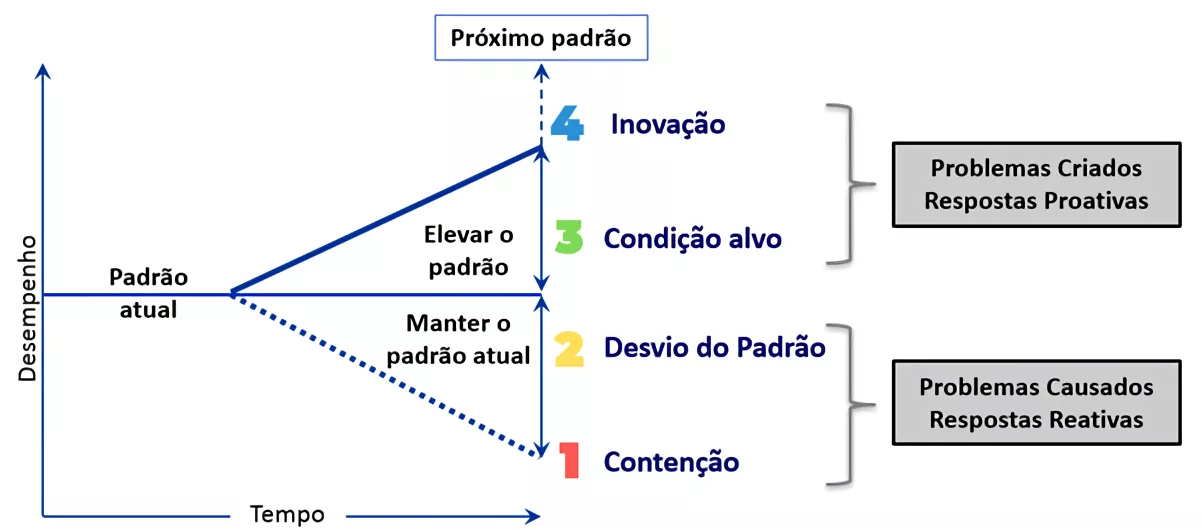
Figure 1 – The four types of problems according to Art Smalley
Caused problems
Problems type 1 and type 2 depend on a standard as a benchmark in order to reveal themselves. If we have only standards in the form of numerical indicators of aggregate results, numbers we need to hit at the end of data gathered from a set of activities, we will not be able to identify, before that aggregate measurement, at which step the work standard did not perform as expected. In these cases, problems are indeed found, but only at the end of the process, when they have already caused a great deal of waste.
Companies usually hold management meetings to solve these caused problems, seeking to find the reasons why the macro indicator was not achieved. However, they have great difficulty carrying out this investigation, usually managing to dig only to a certain point and not truly finding the root cause, because there are no localized standards to pinpoint exactly where it manifests itself.
At this point, lean thinking reveals to us that in various steps of the logistics operation,
we lack clearly defined and understood standards in each procedure performed
by our human
resources and systems. Such standards should make up the standardized work that explains and
demonstrates for each activity how to do it, when to do it and how long it should take to do it. Everyone
should recognize that outside these predefined limits, the company has a localized problem
.
Created problems
Problems type 3 and type 4 , in turn, are of a different nature and require a different approach to managing them. Because they are created rather than caused problems, they do not refer to meeting the standard, but to raising it. Lean offers us specific management tools for this purpose, such as the striking example of hoshin kanri, used to carry out strategy deployment into actions across all of the company's functions. In this process, we discover which factors and actions will lead to the desired effect.
This movement from cause to effect leads to knowledge of the objective factors that influence business performance and leads to the frontier of organizational knowledge, with greater leaps in performance and results. Consider this hypothetical scenario:
An organization sees the need to raise a standard: increase e-commerce sales by 50%, achieve 98% OTIF and an NPS above 8. However, this problem, which is a type 3 problem – raising an existing standard –, must be accompanied by a prior investigation to find the causal factors on which the company's teams need to act to bring about the new effect. In the logistics operation, this may mean finding which actions should be designed and worked on (causes) with new local standards to achieve the intended macro result. It also means articulating the new standards and where they should be implemented, from the core activities to those that provide support, understanding their causal relationships to the new planned standard.
Continuing with our hypothetical case, if growing e-commerce by 50% means, in the analysis of the expected operational effect, reducing the takt time of the logistics operation by 50%, this may lead to causal relationships that also show it is necessary to change standards in the support areas, such as, for example, issuing invoices, billing, order tracking etc. In short, new standards need to be created to support and sustain the new logistics standard.
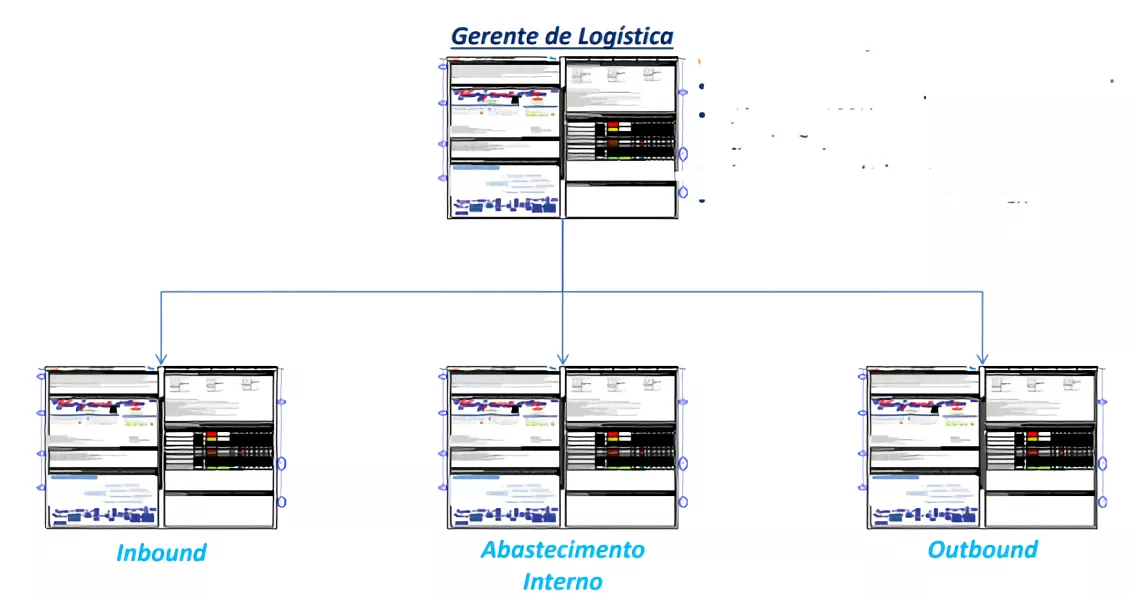
Figure 2 – deployment of actions for a new desired
effect (hoshin kanri)
Now, in a second stage, imagine that the company needs to deliver goods to customers anywhere in the country, with a superior service level and in the same way it has been doing for the customers it normally serves within a regular radius around the DC. Certainly, this standard of working with traditional, strategically located DCs will not be enough on its own for the new reality, even if they are turned into the most efficient DCs in the world.
So here we find a limit to improving the current standard for the desired effect, and therefore we need to find another causal factor to produce the effect of speed in various parts of the country. It will be necessary to seek a new network design, new relationships and new communication technologies. It will be necessary to innovate. Several alternatives will come up, and using the scientific method, we will need to investigate which of them best produces the projected performance effect.
Lean thinking, carried out through the method of identifying and solving the categories of problems, thinking of countermeasures according to their nature and specific causes, gives logistics and supply chain management analytical gains that make it possible to discover the fronts of opportunity for improving performance.
Its procedure is inspired and guided by the scientific method, but its application, supported by lean tools, does not entail any of the difficulty or lack of clarity one might imagine because it is scientific; on the contrary, its application is clear and understood at all organizational levels, as proven by many practical cases in the Brazilian and international markets.
Take the opportunity to optimize your logistics processes with specialized support. Schedule a conversation with our logistics-focused lean consultants and see how our methodology can generate concrete gains for your business.







