


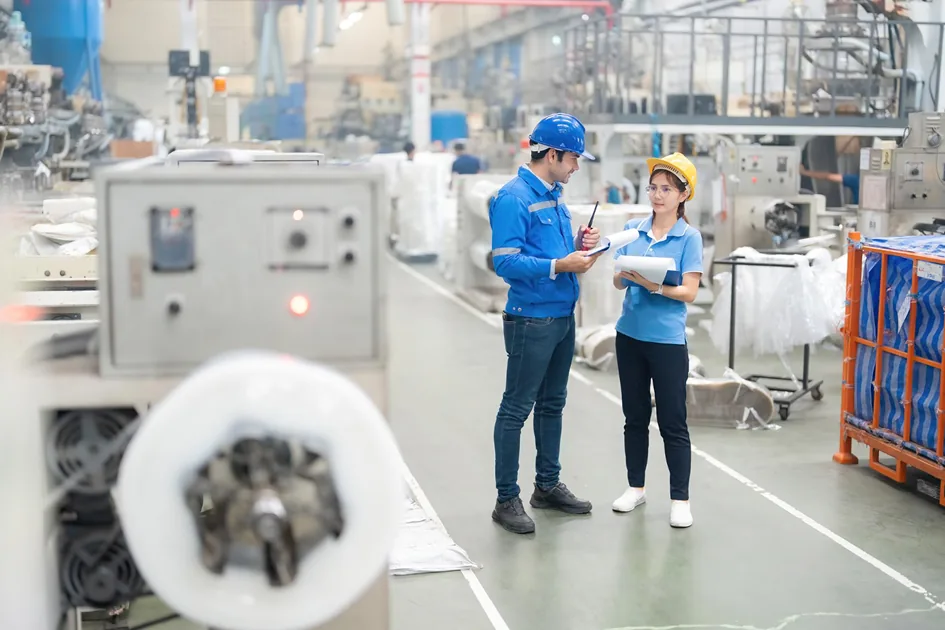
Transforming management to create more value
Lean Institute Brasil works alongside leaders and teams to transform organizations and achieve meaningful results. We apply lean principles to strategy, innovation and management, taking part in the changes needed to turn choices into practice.
People development underpins this work and expands organizations' capacity to create value for customers and society.
How we work
We turn knowledge into practice in different ways. Projects with organizations, people development, technology, learning experiences, publications and content form a system connected by the same way of thinking about management.

We lead strategy and organizational transformation projects, from setting priorities to implementing change. We work with the areas involved to build solutions and develop teams' capacity to sustain the results.
Learn more

Lean strategy management
Lean Strategy Management
Foundational architecture for innovation and sustainable performance


Solutions by
industry
Consulting by industry
industry
Customized lean solutions for a wide range of industries and areas


Leadership development
Lean Leadership
Focused training for team autonomy and engagement


Digital SolutionsTechnology that creates value
Digital SolutionsSolutions that connect technology to management principles and practices. Technology starts from a relevant problem and is integrated into the way work is managed, expanding the ability to see problems, collaborate and decide.
Learn more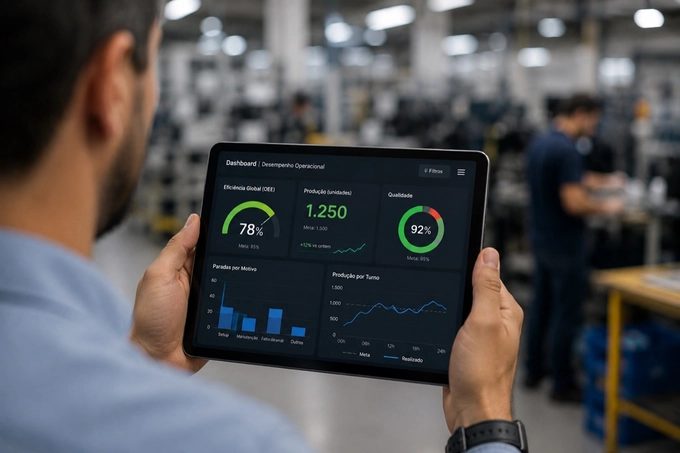

Digital Daily Management
Digital Daily Management
Visual tracking of goals and problem solving


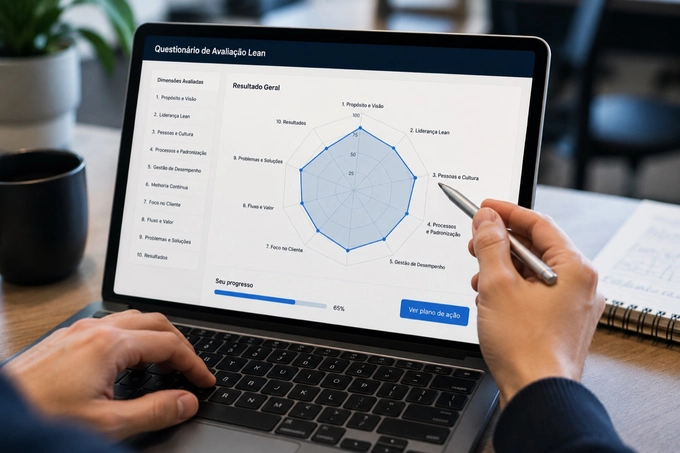
Lean 360° assessment system
Lean 360° assessment system — talk to an expert
Structured feedback aligned with a culture of respect and improvement

AI agents
AI agents
Use artificial intelligence with exclusive agents trained in lean thinking practices and concepts
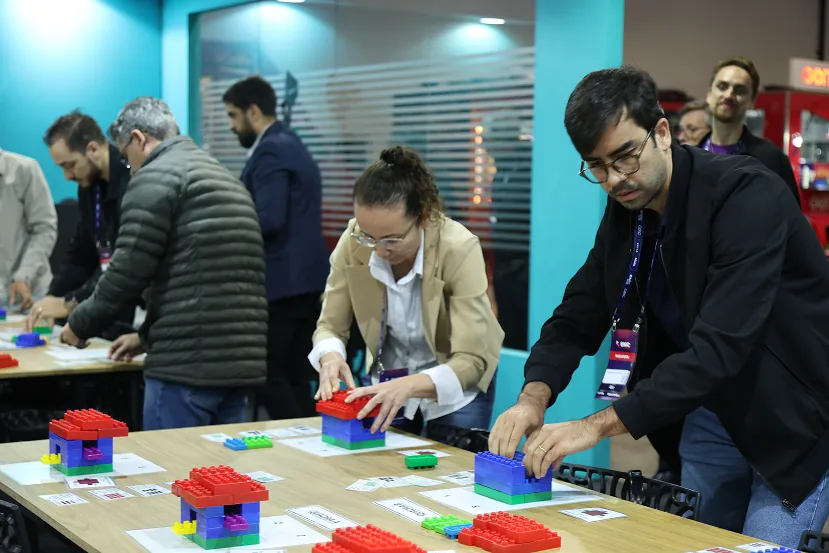

Lean AcademyHands-on training and courses
Lean AcademyOur workshops and training programs prepare professionals to understand problems, make better decisions and act. Learning starts from real situations and brings fundamentals and practice together.
Learn more

Training calendar
Lean training schedule — open classes
Workshops and immersions for high-level learning and practice


Lean Practical Training Program
Lean Practical Training Program
The most complete immersive journey to develop specialists


LeanLearning
LeanLearning online training
Online courses for you and your team to learn at your own pace
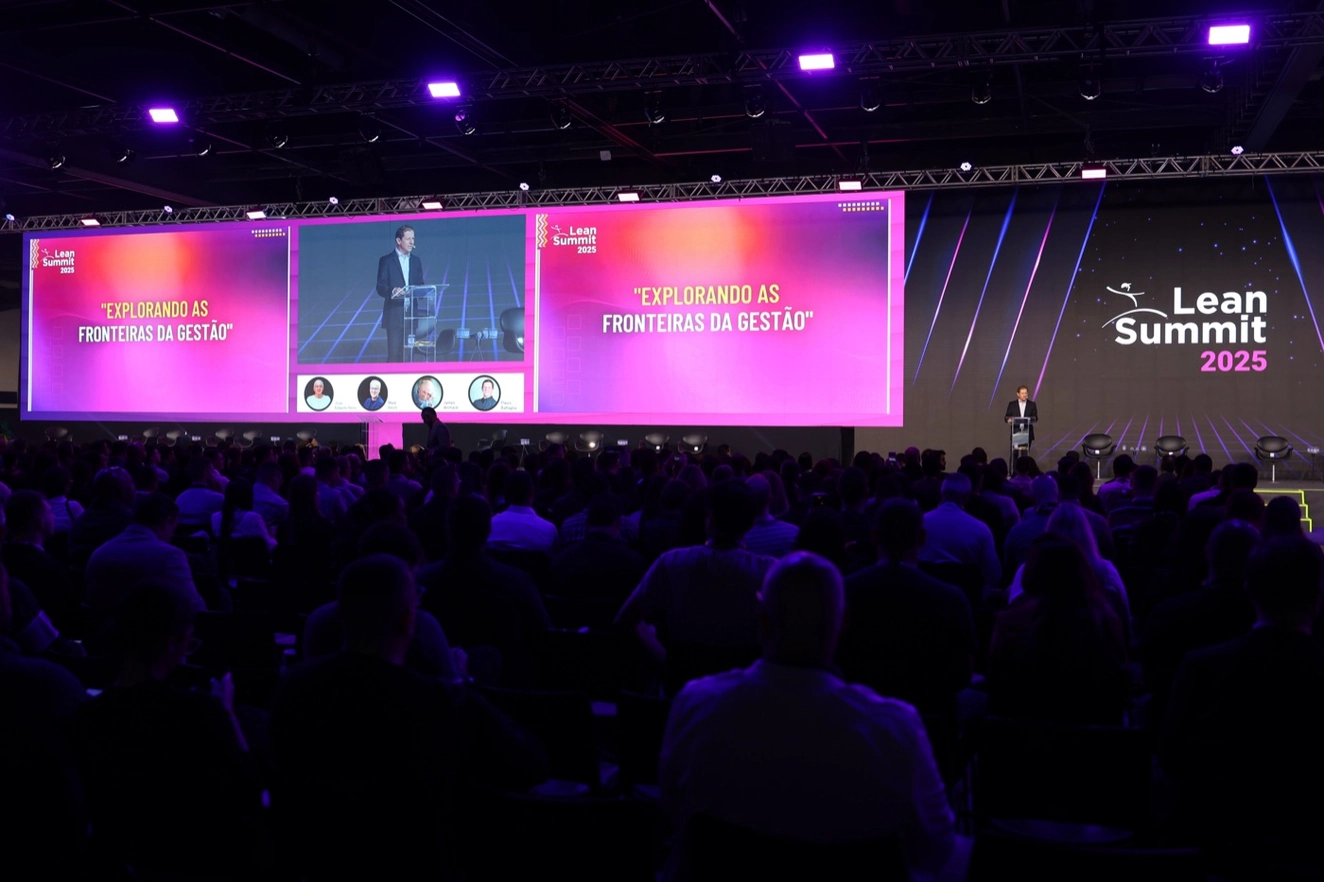

EventsConnecting leaders and practices
EventsOur events connect those leading change with real experiences and new management practices. Cases, debates and meetings among professionals from different sectors to learn, exchange experiences and broaden perspectives.
Learn more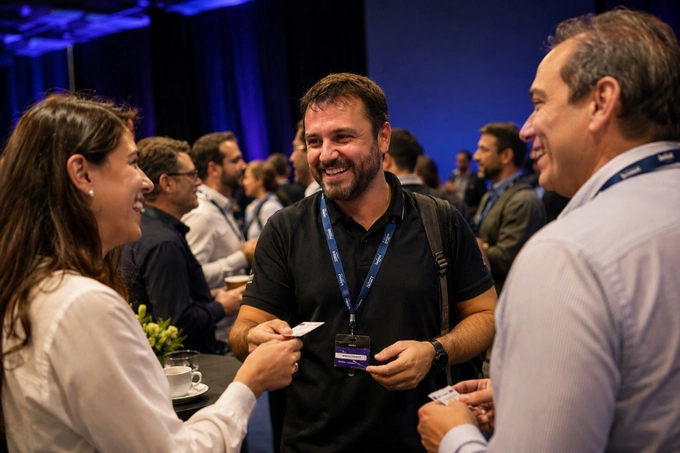

Events schedule
Lean events schedule
Join upcoming events, webinars and live streams
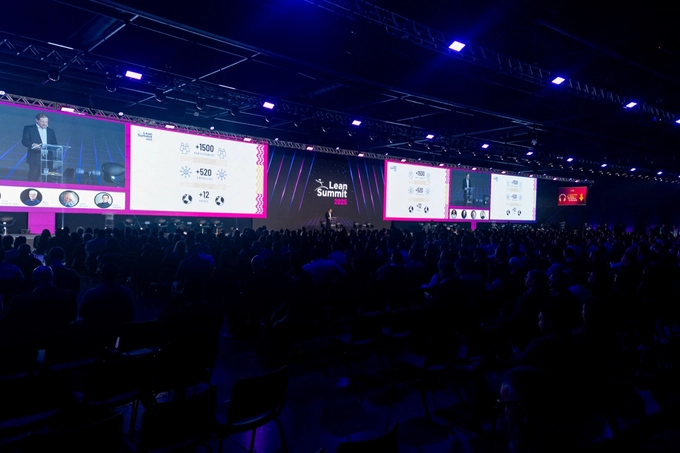

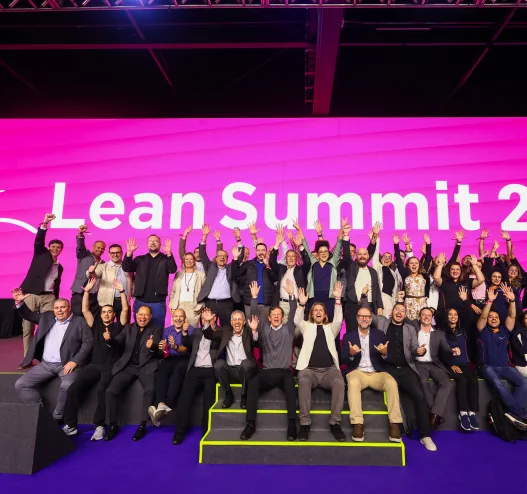
Lean Summit
Lean Summit
The world's largest in-person event on operational excellence
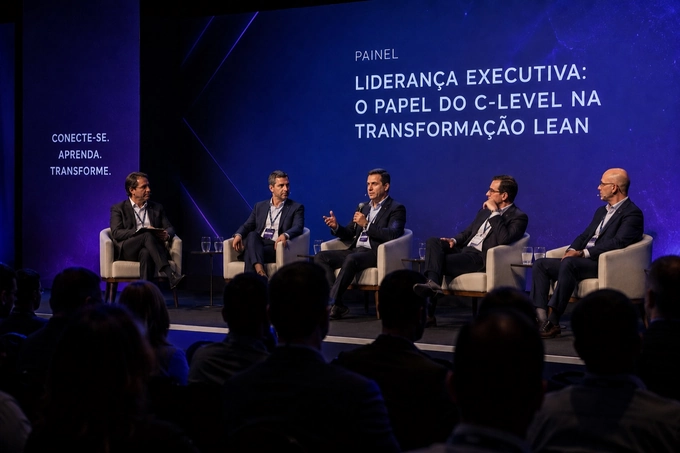

Past events
Past events
Discover the milestones and impact of previous events
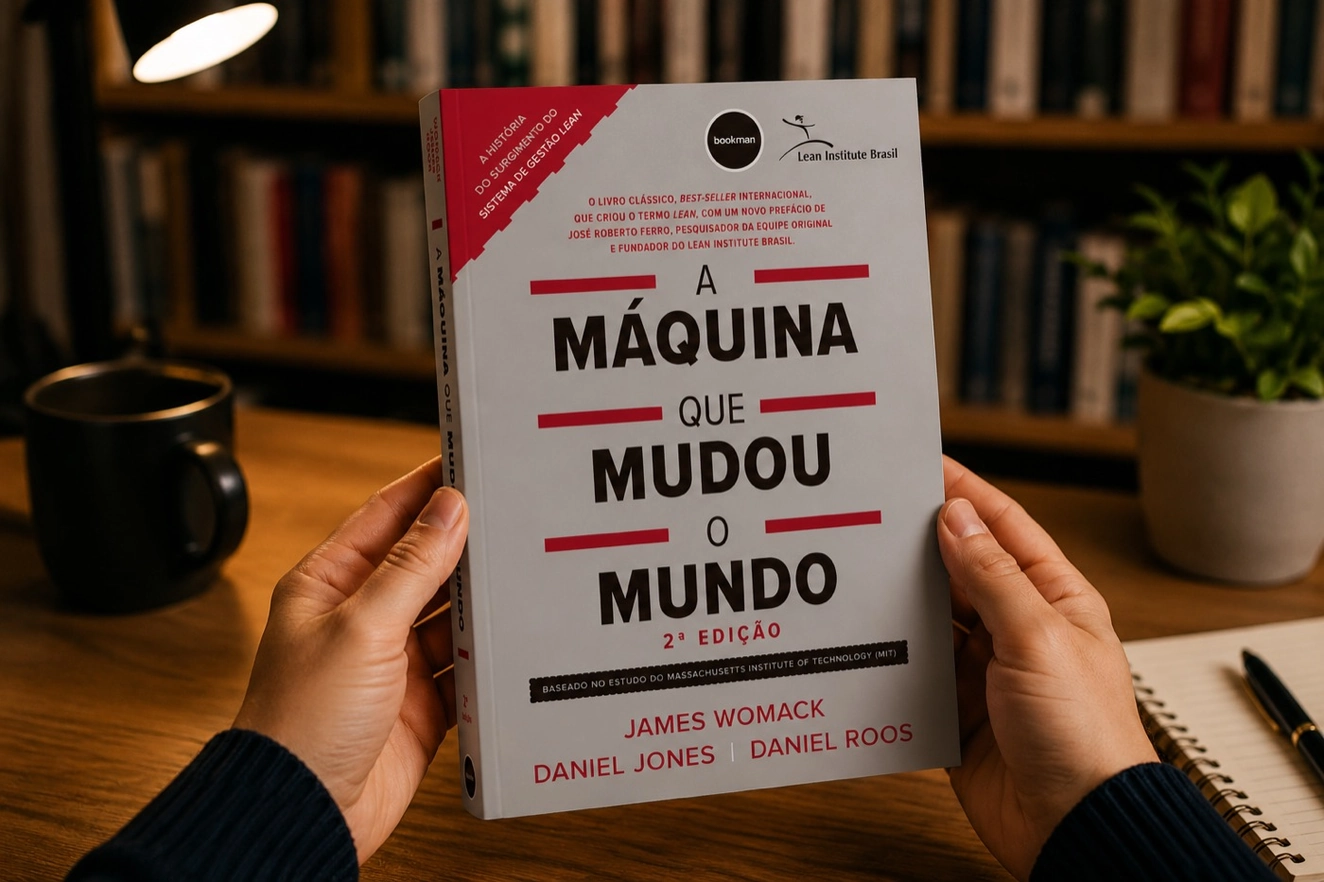

BookstoreReference works on management
Lean BookstoreWe publish and bring together works that helped shape lean thinking and keep developing new ways of understanding management. Books, manuals and guides that connect fundamentals, experience and practice.
Learn more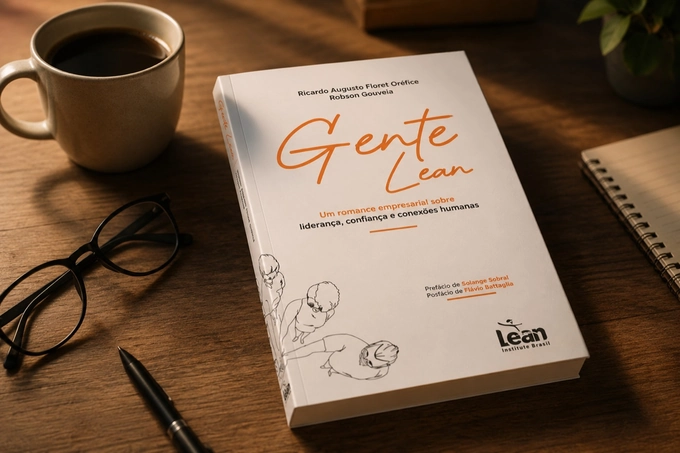

Gente Lean
The book Gente Lean at the Lean Bookstore
Human connection and empathetic leadership to sustain excellence
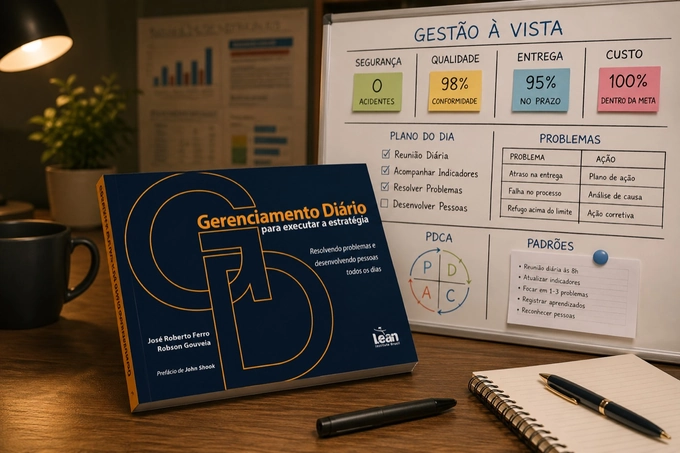

Daily Management
Daily Management
Integrating decision-making and execution, solving problems every day
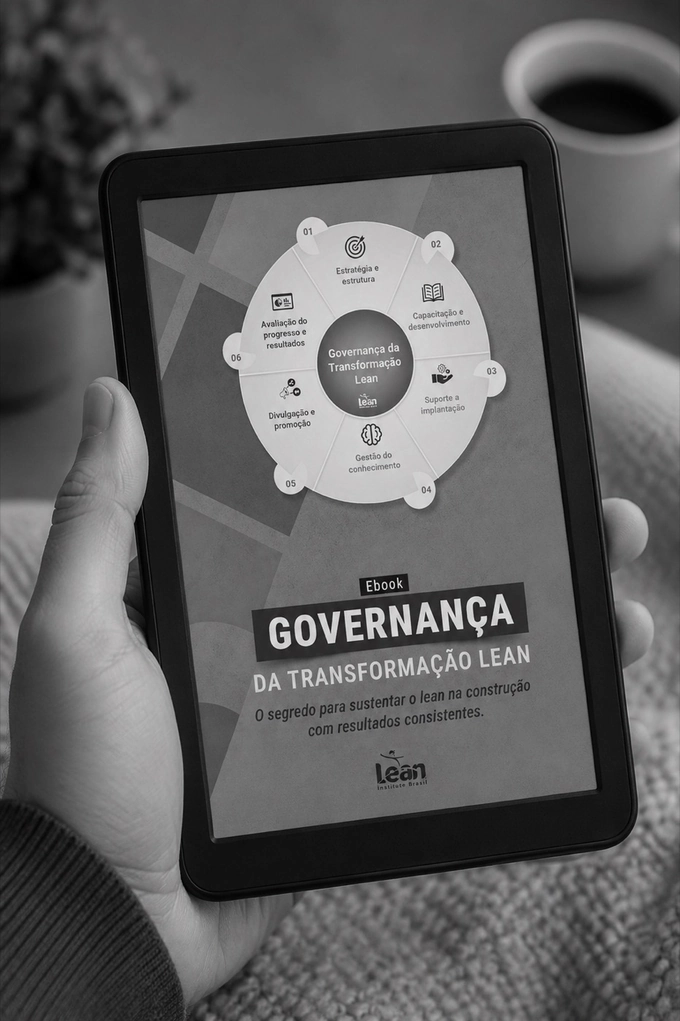

Free e-books and materials
Free e-books and materials at the Lean Bookstore
Practical content and manuals developed by experts
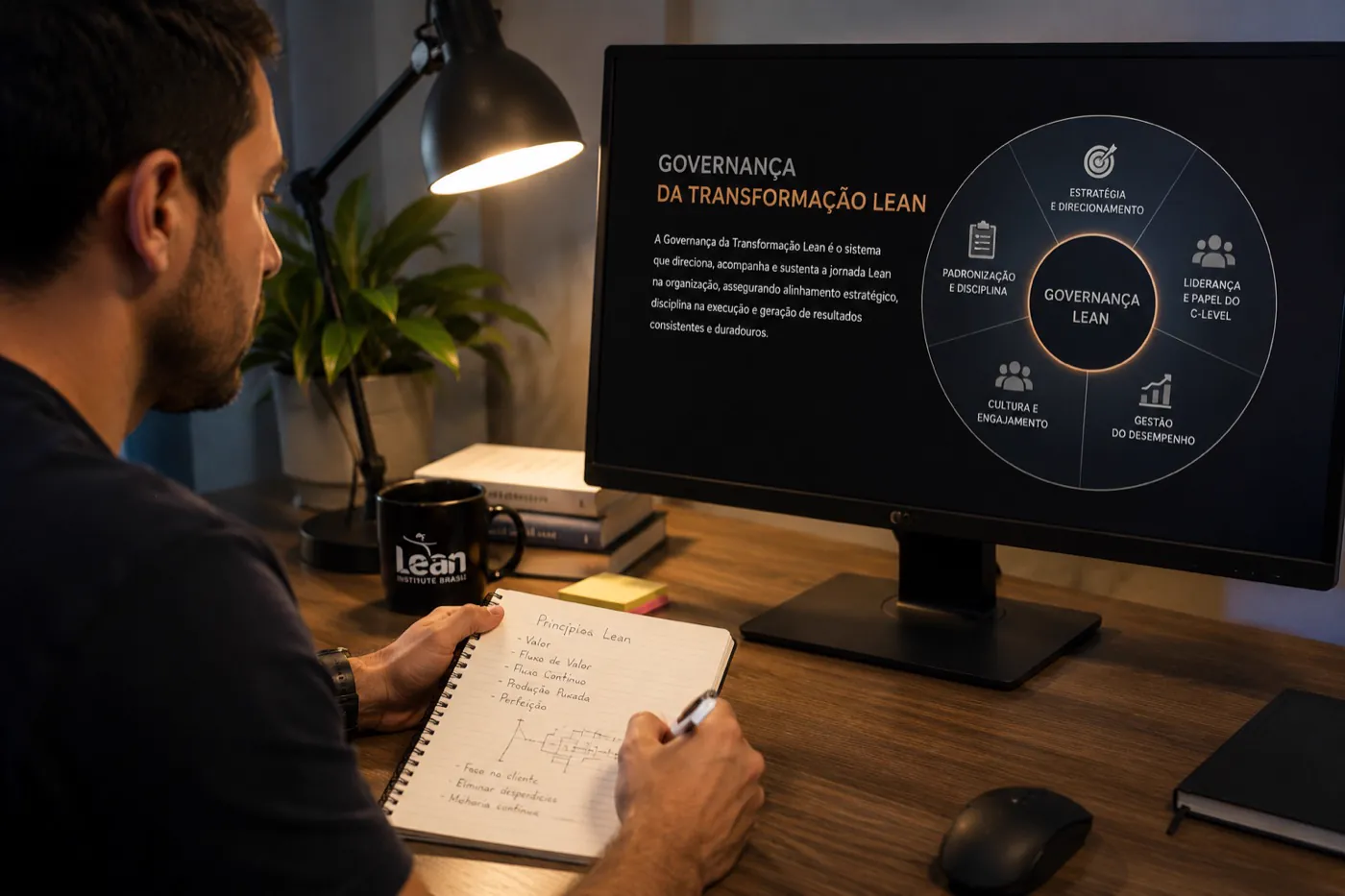

Knowledge CenterLean education collection
Knowledge CenterArticles, analyses, cases and videos by our experts, authors and partners on real management problems and transformation experiences, organized for professionals, companies and society.
Learn more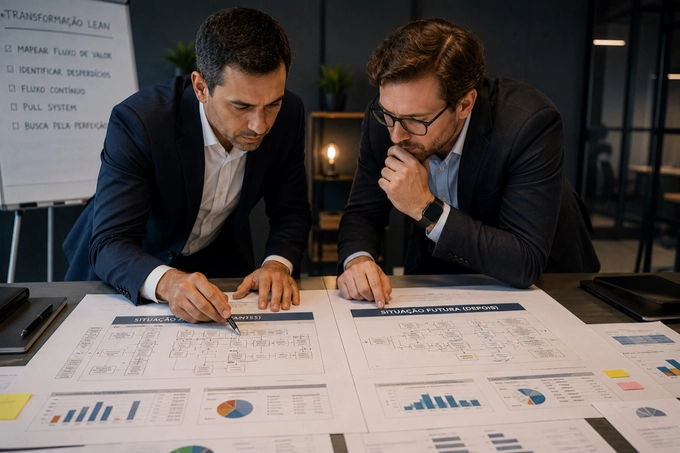

Articles and success stories
Knowledge Center articles
Reflections, analyses and proven operational results
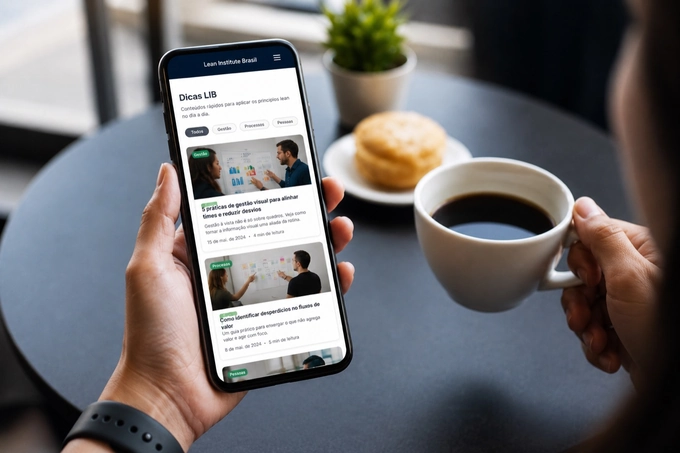

Blog LIB
Lean Institute Brasil blog
Quick tips and introductory reads to start your journey
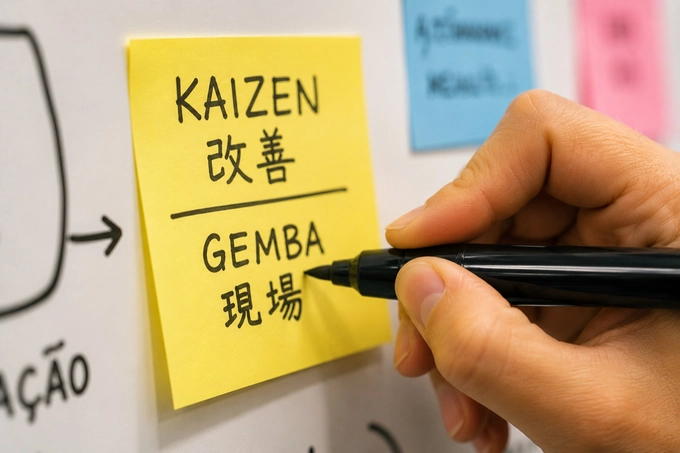

Lean vocabulary
Lean Vocabulary
The glossary of technical terms to master the concepts and jargon

About Us
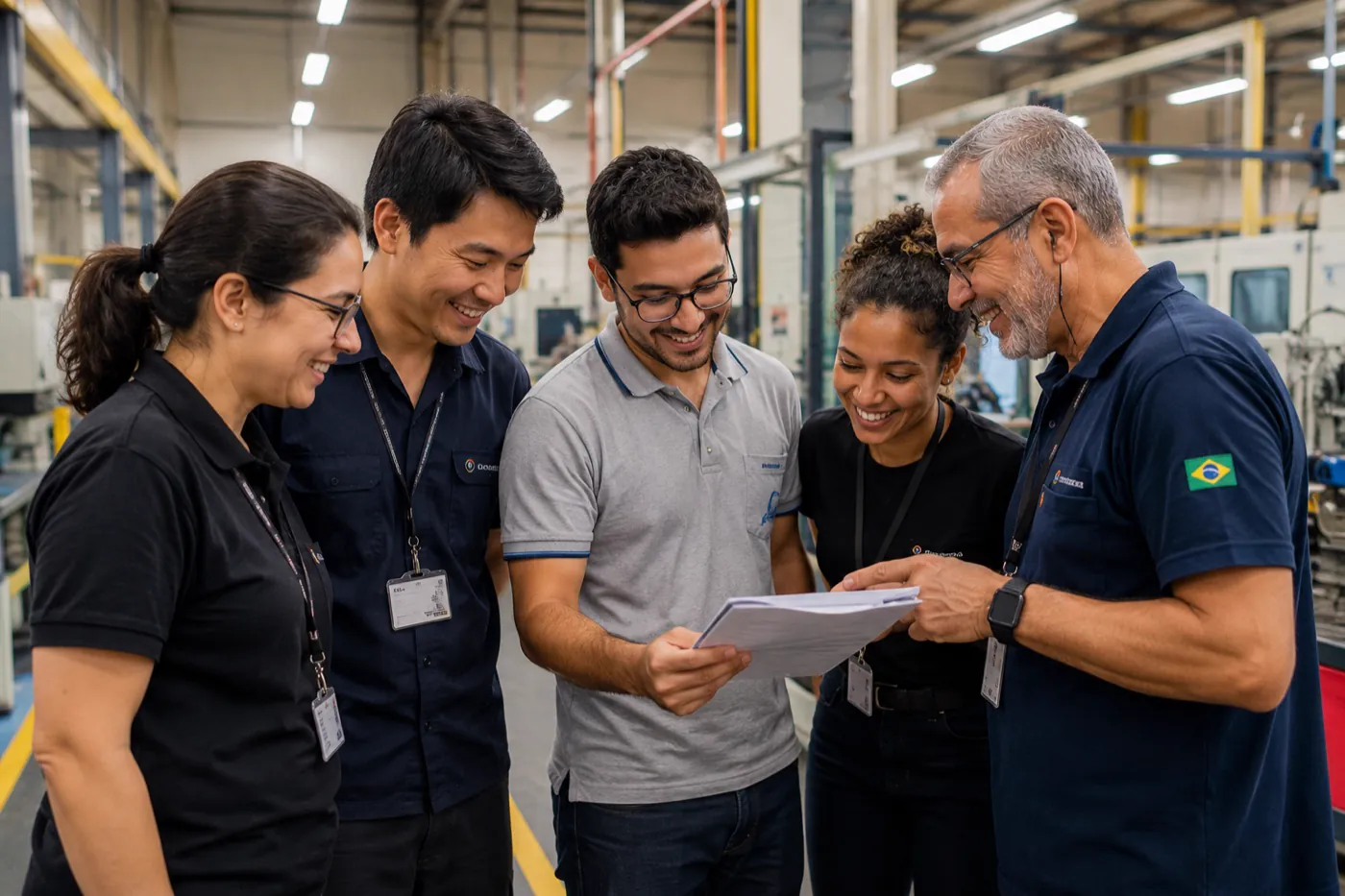
About UsSince 1998 we have been spreading lean in Brazil, combining academic authority with hands-on gemba experience to help companies create more value, eliminate waste and develop people.
Learn more

Mission and values
Mission, vision and values
The purpose that guides our decisions and how we work

Team of experts
Our team of experts
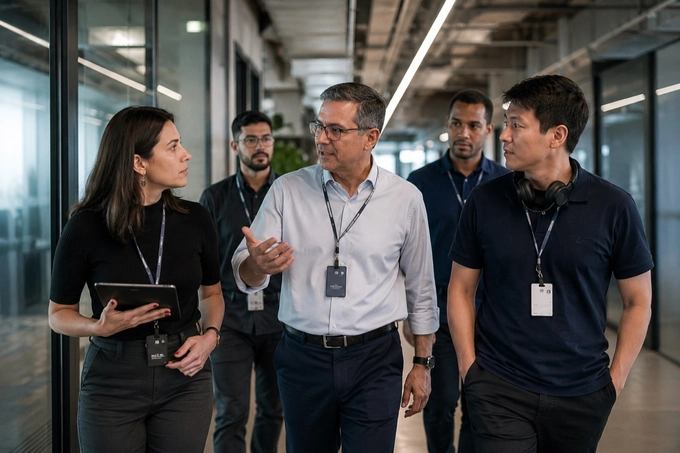
Meet our professionals with extensive operational experience

Global Network (LGN)
Lean Global Network
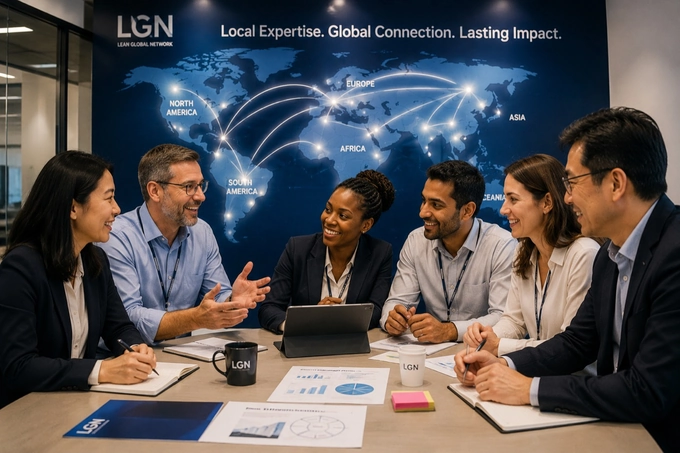
Our connection with dozens of institutes around the world
LIB in action
See what is happening: transformations under way, gatherings, new knowledge, publications and initiatives that connect people and organizations around today's management challenges.

Success Story
Building a learning hospital
See details → See details →
Blog
The elasticity of the lean system in Brazil
See details → See details →
Blog
Global learning, local impact: lessons from the Gemba
See details → See details →
Blog
Growth with stability: the basics done well
See details → See details →
Challenges we help you tackle
Transformations start from different problems. Our work begins by understanding the context and identifying, together with the organization, what really needs to change.
Setting direction requires understanding the market, making choices and deciding where to focus resources and attention.
We work on formulating and deploying strategy, connecting growth opportunities to the capabilities needed to turn them into results. Execution makes it possible to test choices, learn and adjust course when needed.
Innovating means recognizing opportunities and turning ideas into solutions that create value for customers and for the business.
We work on product and service development by bringing different areas together and building experimentation and learning into decisions. This helps reduce uncertainty and focus efforts on proposals with real potential for application and return.
Understanding what customers are looking for, how they use an offering and what they truly value opens up new possibilities for the business.
We build this understanding with teams to bring what the organization promises closer to the experience it actually delivers.
The way leaders act shapes decisions, behaviors and the conditions for people to contribute to the organization.
We develop capabilities to guide decisions, develop people, build accountability and expand cooperation across areas. The goal is to create environments where knowledge and autonomy can grow along with results.
Changes in the way work is done need to show up in business results.
We work on flows, processes and the use of resources, assessing how transformations affect capacity, costs, quality, time, customer service and cash generation.
This link between work and economic results helps set priorities and check whether the gains achieved are relevant.
New technologies can transform what an organization offers and the way it works, decides and relates to its customers.
We help leaders and teams explore data, artificial intelligence and digital resources starting from concrete problems, considering their effects on processes, people and business models.
Technology comes in as part of the transformation, not as its starting point.

A track record built in practice
Founded in 1998, Lean Institute Brasil develops and shares management knowledge grounded in practice.
Our history is tied to the pioneers of the lean movement, and our team brings together professionals with executive experience who have worked in organizations across different sectors. People who know, in practice, what it means to make decisions, lead change and be accountable for results.
We are also part of the Lean Global Network (LGN), an international network of institutes that develop and share lean knowledge in different countries. This connection lets us learn from global experiences and bring the knowledge produced in Brazil to the network.
28
Years of history in Brazil
+2.000
Projects delivered
+50
Experts on the team
Global presence
Americas, Europe, Africa, Asia and Oceania
Frequently Asked Questions about our solutions
Lean is a management philosophy that seeks to create more value for customers and society while developing people and improving the way work is done.
Its principles can guide strategy, innovation, leadership and everyday decisions. That is why lean is not limited to operations or to a set of tools.
We work on different management challenges. They may involve setting and executing strategy, growth, innovation, product and service development, leadership, productivity, economic performance, customer experience, technology or specific process problems.
The starting point is to understand the context and define, together with the organization, what needs to change and which capabilities need to be developed.
Our experts work alongside leaders and teams on real problems.
Before proposing methods or solutions, we seek to understand the context, the causes of the problem and the expected impact on the business. From there, we build the right approach, follow its application and develop the people who will be responsible for sustaining and expanding the results.
Results depend on each organization's problem and context. Projects can deliver progress in productivity, quality, costs, lead time, capacity, reliability, customer experience, product development, growth and economic performance.
Objectives and indicators are defined and tracked throughout the work to link the changes made to the impact on the business.
People's participation is part of the transformation process itself. Leaders help set direction and create the conditions for change. Teams take part in understanding the problems, in decisions, experiments and in implementing new ways of working.
Our experts work alongside these people so that the knowledge generated throughout the project stays in the organization.
Consulting starts from a concrete problem or goal of the organization and involves working together on a real transformation.
The Lean Academy develops knowledge and capabilities through workshops and training programs.
The two can be combined when it makes sense to learn while the organization moves forward on its priorities.
No. Lean principles apply to different types of work and management systems. LIB works with organizations in many sectors, including manufacturing, healthcare, services, technology, finance, construction, agribusiness and other contexts. The approach changes according to the problem, the work and the characteristics of each organization.
Technology and AI can expand the ability to analyze information, make decisions, collaborate and create new value propositions. But their impact depends on how processes, people and management are organized. That is why we first seek to understand the problem and the value to be created. Technology is then incorporated as part of a broader transformation.

