

Lean practice leveraging results in Leroy Merlin's supply chain
Leroy Merlin is a retailer of products for construction, renovation, decoration, finishing, DIY and gardening. Of French origin, it operates in 12 countries, including Brazil, where retail is a particularly thin-margin and highly competitive segment. In a scenario where cost, speed and quality are three essential elements of competition, it is fundamental that supply chain operations be lean.
To that end, lean practice was driven by the company's need to improve its costs and increase the speed of order preparation — through the elimination of waste. Seeing the tasks that do not add value so that they could be eliminated would also contribute to much better delivery quality, as material and information flows performed more completely and correctly, avoiding a series of activities that could negatively affect the customer experience.
It was clear that, by exposing and addressing waste, it would be possible to achieve a productivity increase of 20 to 30% over a three-year period. Improving workflows in the day-to-day of the Supply Chain operation in Brazil — which has more than 1,600 people supporting logistics operations across a network of 47 stores and four distribution centers — would be the path to increased profitability, which would allow the company to attract more investment from Groupe Adeo, to which it belongs.
It is important to highlight that Leroy Merlin's logistics area was going through a major moment of transformation. The old model of a simple store warehouse with operational staff waiting to be told what to do no longer worked in an omnichannel scenario, in which customer expectations were increasingly high regarding the speed and quality of deliveries.
The lean philosophy fit perfectly with senior management's expectations regarding the teams' behavior in the face of the new challenges presented by the indicators of OTIF (on time in full), NPS (net promoter score), preparation time and delivery time. Leroy Merlin urgently needed to change the concept of logistics into a true Supply Chain model, that is, building integration and connecting operations to strategy.
A corporate university aligned with the purpose of improving the supply chain
Aware that transforming value streams to improve performance requires transforming people, Leroy Merlin has a centralized “academy” that seeks to identify all the competencies needed to perform each role. Called the “Corporate University”, the initiative aims to support the development of each person so that they can increasingly move toward building a better company.
In 2021, the Corporate University created a specific academy for training in the Supply Chain area, an area that, at that time, was lacking in development. The initial build considered the creation of basic learning paths on processes; however, the need was also identified for a major change of “mindset” in teams that until then had been focused only on operational processes. In partnership with Lean Institute Brasil, the training process began for the Logistics Supervisor Teams and, shortly afterward, for the area managers as multipliers.
The Leroy Merlin Corporate University uses the “70-20-10” rule as its teaching methodology. It is based on the understanding that 10% of learning takes place in the “classroom”, 20% comes from sharing knowledge with colleagues, but 70% comes through genchi genbutsu, which means going to the actual place (gemba), observing the facts for yourself and then applying the PDCA cycle (“Plan, Do, Check, Act”, or “Planejar, Fazer, Checar, Agir”, in Portuguese). In other words, without the practical bias of developing people aligned with the purpose of what really happens in the gemba, it is not possible to fully transform people and, consequently, to transform the business for the better.
Based on these premises, the training programs always included, at the end, the presentation of an applied project to the executive boards, encouraging the practical consolidation of the content learned. The results presented in the projects showed the effectiveness of the methodology, which encouraged the participants to continue the practices in their routines.
This methodological premise for training was directly associated with lean practice for developing people. Lean thinking advocates the practical involvement of each individual, that is, their empirical connection with the real purpose of the work. Furthermore, in addition to purpose and people, the lean transformation needs to permeate the technical aspects of processes and work, as well as the management system and leadership, without neglecting the cultural specificities and basic assumptions of thinking that permeate the group of people involved. This approach to lean transformation is consolidated in a model: the Lean Transformation Framework (LTF). The LTF, illustrated in Figure 1, was developed from decades of work with organizations and individuals in pursuit of transformation, and is a structure used as a guide for experimentation, problem solving and learning, with the aim of helping organizations become increasingly lean.
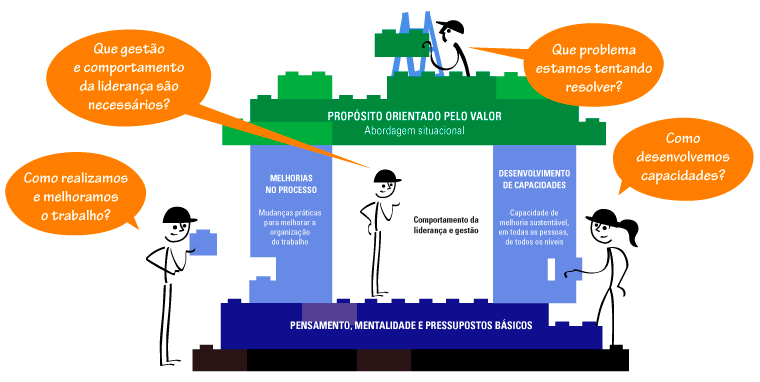
Figure 1 — Lean Transformation Framework (LTF): how to connect people, processes and management to the purpose of the transformation
The LTF is being applied at Leroy Merlin to take lean practice to all 47 stores in Brazil, as well as to the distribution centers. To do so, it is relying on a few powerful tools. All of these tools connect people and processes to generate transformative results.
Among them are:
- Value Stream Mapping, which maps the process and identifies what creates value for the customer and what is waste;
- Daily Management, which ensures that the team works daily toward the selected control variables, and drives problem solving;
- 5S, for a tidy, well-organized and clean workplace, where people can do the best possible work;
- A3 Thinking as a methodology for applying PDCA to support improvement, with the critical five whys built in the analysis stage to teach people to always get to the root cause of a problem.
Today, it is already possible to see that the concepts are becoming part of the daily routine of most stores and that team involvement keeps growing. The teams contribute innovative ideas and have developed a broader view of the processes and their purposes within the Supply Chain.
A training path for the lean transformation in the supply chain
Once the premises for developing people were established (valuing practice and real, purposeful transformation to generate results), training paths were developed for the entire Supply Chain structure.
Involving managers, supervisors and operations teams, the path covered the development of specific sociotechnical skills for Supply Chain management, serving as a way to create internal multipliers to expand lean practice autonomously within the company itself.
To that end, the training sessions were always connected to addressing the participants' real problems, which were brought out and discussed. The path also involved the practical execution of an improvement project by the participants, using the A3 form as shown in Figure 2.
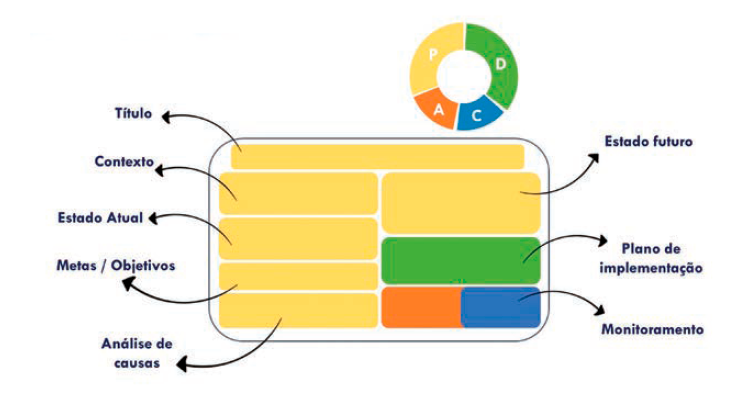
Figure 2 — The A3 form as a way to operationalize PDCA
The “A3” Form refers to the paper size (42 x 29.7 cm), which is typically used for single-page reports reflecting the scientific method (PDCA – Plan, Do, Check, Act) for problem solving. Generally, as in Figure 2, the report is divided into sections that represent each stage of the problem-solving method: plan (Plan), do (Do), check (Check) and act (Act). It is a highly visual way of “telling the story of the problem” that develops critical thinking, not only by limiting the physical space to explain something, but also by asking the “owner” of the problem to define the best way to describe the relevant data needed to build consensus and help organizational learning.
The use of the A3 Form in the Supply Chain training path reinforced the development of the participants' deep understanding of and experience with PDCA and leadership. Since problem solving always involved teamwork, the “A3 owner” always needed to promote alignment among peers and direct reports, and had a mentor from within the company. This “mentor-mentee” relationship is a crucial component of people development and comes with the dynamics of building the A3 Form. More important than putting a lot of enthusiasm into the A3 report itself is the process of creating it and the participation of the team and of the mentor — or sponsor (sponsor) — of the improvement project, which generates learning and transformation.
The training of the Supply Chain supervisors consisted of 17 weekly modules on varied topics in soft and hard skills, with Lean Institute Brasil participating in the training and in mentoring the applied projects.
For the Supply Chain managers, the path comprised 128 hours for 40 participants in 12 modules in a hybrid format (in-person and online sessions); it began in September 2022 and was completed in early 2023, with the presentation of the projects applied by the participants.
Figure 3 illustrates some of the sessions that took place online.
At the conclusion of the training path, all participants presented the results achieved by the practical improvement projects built using the A3 Form. It was striking to see how the real problems highlighted throughout the path had been addressed, as shown by the practical results that were presented, such as:
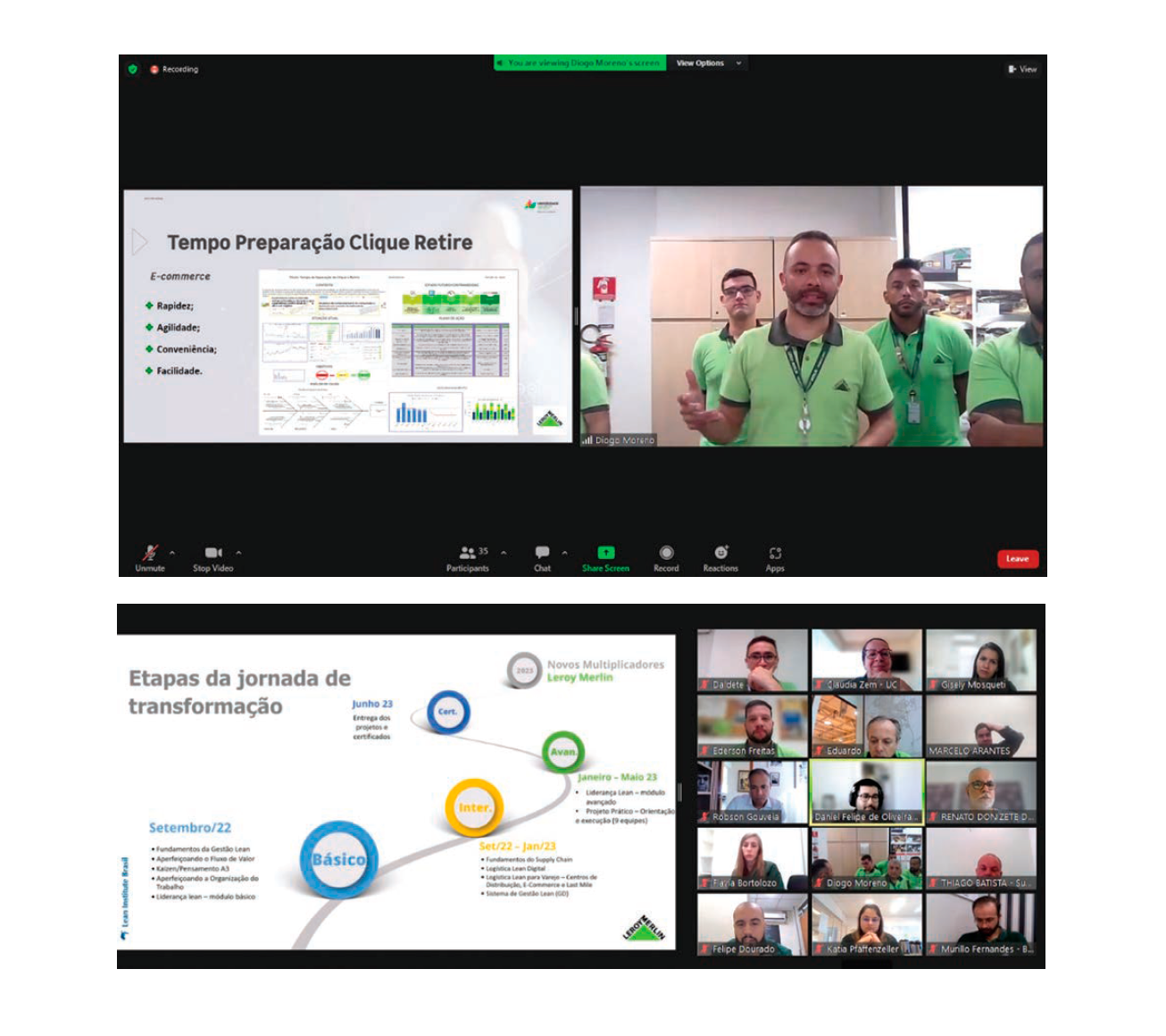
Figure 3 — Training sessions of the Supply Chain managers' class held online
Improved performance of the “Click and Collect” delivery mode:
- Preparation within 2 hours rising from 31% to 91% in one region;
- 52% increase in revenue in this mode in the same region;
- Increase of 13.2 pp in this mode's NPS result in a coastal state and of 24 pp in a state in the Southeast region;
- Improved OTIF (On Time In Full) results:
- From 83% to 93% in a region in the interior of the country;
- From 93% to 97% in a coastal state;
- Reduction in order cancellations:
- 63% reduction in one region, equivalent to R$ 3.3 million;
- 53% reduction in another region.
Other qualitative results relate to the standardization of operations and progress in the practice of 5S. In the dimension of management and leadership behavior, highlights include the expanded application of Daily Management (DM) and the more frequent presence of leadership in the gemba.
Some of this evidence is shown in Figure 4.
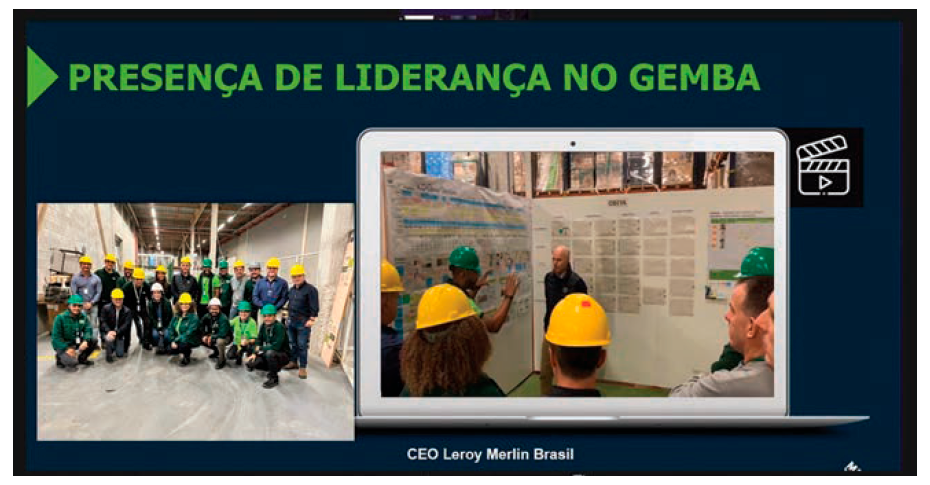
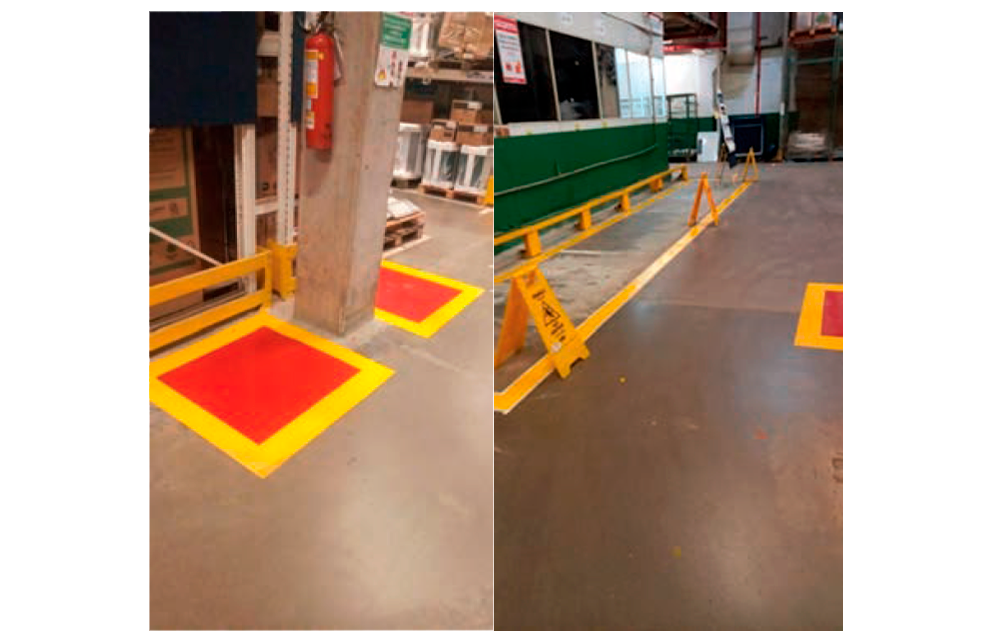
Figure 4 — Examples of evidence of qualitative results in the Supply Chain operation areas and changes in management and leadership
Continuity and yokoten (dissemination) of the lean journey
It was possible to gather testimonials from the participants of the training path, which reinforced qualitative aspects of the transformation for the better and of how Supply Chain management is practiced and carried out day to day. Comments such as “we learned to ask the right questions”, “today I question my processes more” and “my team feels more empowered to drive improvements autonomously” reinforce how the lean multiplier role sought with the training path was achieved, as these described practices reverberate and reach other people in the organization.
It is worth highlighting the role of the São Paulo distribution center (CD-SP) team as a pioneer in applying and disseminating lean, through professionals specialized in and dedicated to operational excellence in Supply Chain. Today, this team is deepening lean practice in a model store where the results are already proving very promising, with plans to soon replicate it in the other stores.
The many results already achieved in the Supply Chain structure increasingly lend credibility to lean practice at Leroy Merlin. As next steps, the company is already organizing itself to extend lean practice to other functional areas, such as sales, customer service and, indeed, all of management.







