

Every second counts
Countries all over the world are facing an unprecedented challenge in having to vaccinate their adult population as quickly as possible to protect it against Covid-19 and reopen their economies.
Here in Italy, we need to vaccinate about 50 million people (almost 100 million injections). This huge effort must guarantee total safety and an excellent “experience” for each person, reducing the time needed to administer the doses and using as few resources as possible to avoid any additional impact on the regular activities of the health system.
In other words, we need to implement a brilliant process that is effective, efficient and flexible. Lean thinking can help a great deal toward an agile and safe vaccination campaign, supporting health professionals in their daily work. That is why, when the president of Veneto, Luca Zaia, expressed the need to provide organizational support to the region's health system, we at Istituto Lean Management made ourselves available.
Our initial observation during support activities at two large-scale vaccination sites – the Palaexpò in Venice and the Vicenza exhibition center – revealed several potential improvements that, if implemented, could make an already strong process even safer and significantly more efficient.
In true lean style, we began by observing the patient's experience from the moment they arrive at the vaccination site to the moment they leave with the vaccine already administered.
The steps of the process are as follows:
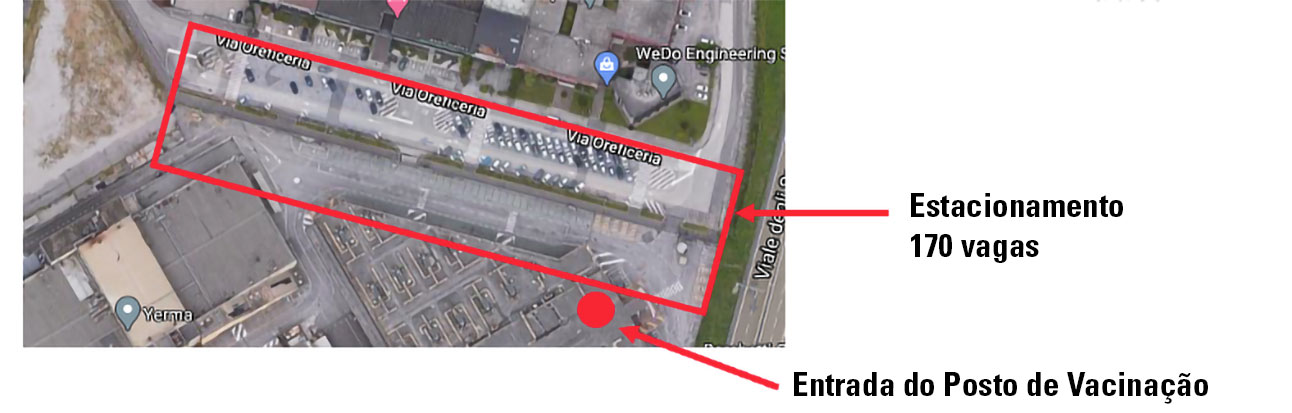
- Arrival, parking and entry into the vaccination site.
- Appointment check.
- Review of the patient's medical history.
- Injection.
- Observation.
- Issuing of the vaccination certificate and scheduling of the second dose.
- Preparation of the syringes with the vaccine (an activity that takes place separately from the inoculation itself).
This is a traditional multi-step process that aims to ensure “mass production”, but which has some variations – type of vaccine, patient characteristics (frail, elderly, adult, etc.), first or second dose, etc. –, which means there are differences in the process and in the times for certain steps.
Although this means that there are many possible combinations when carrying out the process, also depending on the characteristics of the area being used, we found that there are some common elements that, if addressed, can improve the process as a whole. They are:
1) Reduce variation in each step of the process for the same category of user, type of vaccine and first or second dose, by defining clear work standards, providing the training needed to ensure they can be followed, and implementing them. This leads to basic stability, which allows us to move forward in measuring the time each step of the process takes with the aim of balancing them. The most critical (and longest) phase is the medical history.
2) Reduce the time between one patient leaving the vaccination room and the next one entering. This can be achieved by implementing a pull system, asking the next patient to wait their turn just a few steps from the point of use.
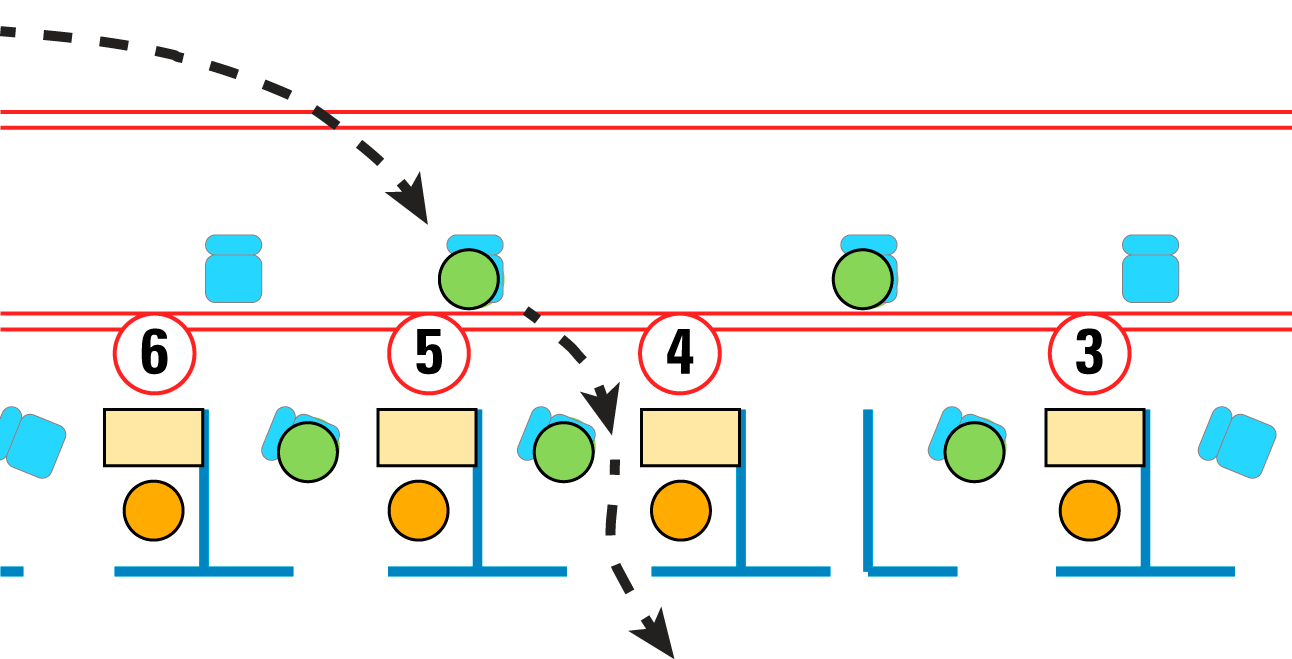
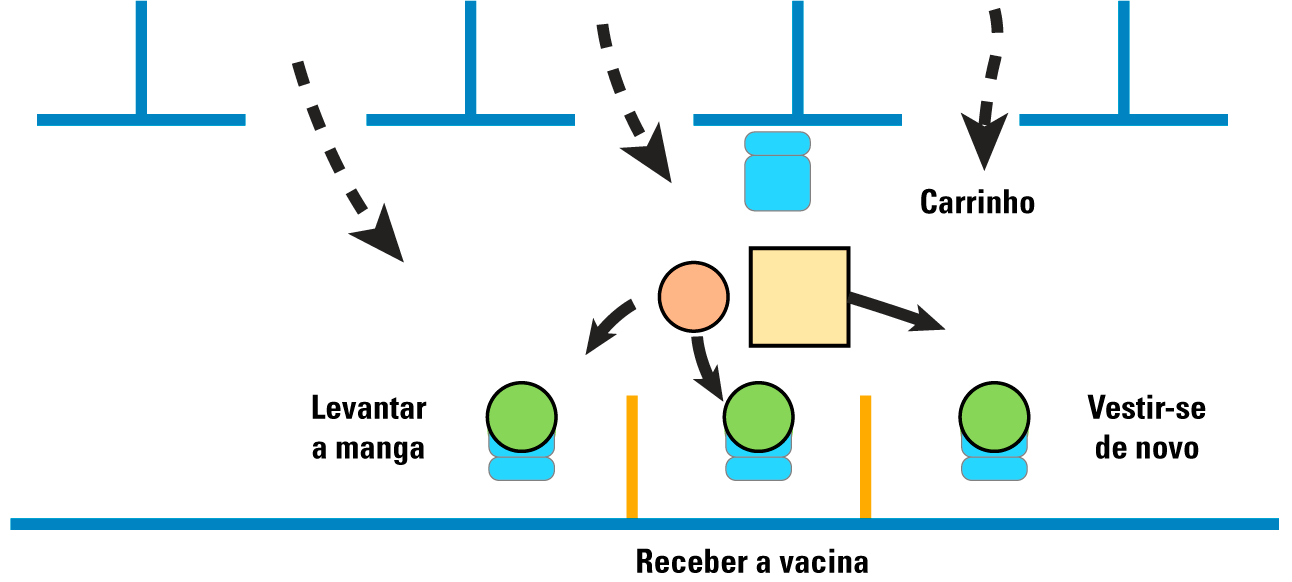
3) Reduce staff waiting by managing more than one patient at a time, based on where they are in the process: rolling up their sleeve, receiving the vaccine or getting dressed again.
4) Separate the preparation area for the different types of vaccine and position them (or integrate them, when possible) next to the vaccination area itself, to avoid inoculating the wrong vaccine.
5) Use visual management to manage patient flow (and avoid queues between the different steps of the process), as well as the vaccines (especially when they are placed in syringes on the corresponding trays).
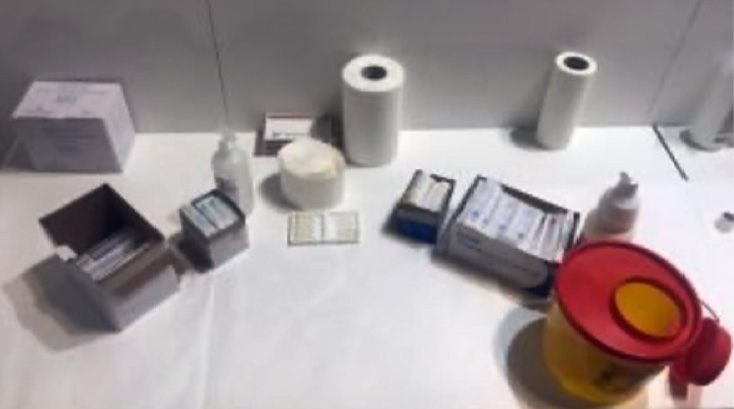
6) Optimize the layout of the tables where the vaccines are prepared. This is a very delicate operation, which requires a lot of concentration and an appropriate organization of space to make the staff's work easier to follow, reducing fatigue and the risk of errors.
7) Ensure that a patient's arrival at the site is properly signposted and that there are enough parking spaces to receive the expected number of patients in a given period of time.
We believe that addressing these elements of the work would lead to a large increase in the number of patients who can receive the vaccine, without needing more resources or digital tools to do so. Although it is difficult to make a specific estimate of this increase, we can see how certain situations can impact the overall capacity of the system.
For example, reducing the time it takes a patient to reach the vaccination chair – currently 30 seconds (a little more for the elderly) – to 5 seconds would lead to a 17% increase in capacity. Another element that can be improved is the “customization” of the vaccination process (staff can currently take up to four minutes to administer a dose). By following the standard mentioned in the first point above, the capacity of each site could increase by 50% to 100%.
Lean thinking can help us leave Covid-19 behind. So let's get vaccinated… the lean way!







