

Optimizing material handling with Lean
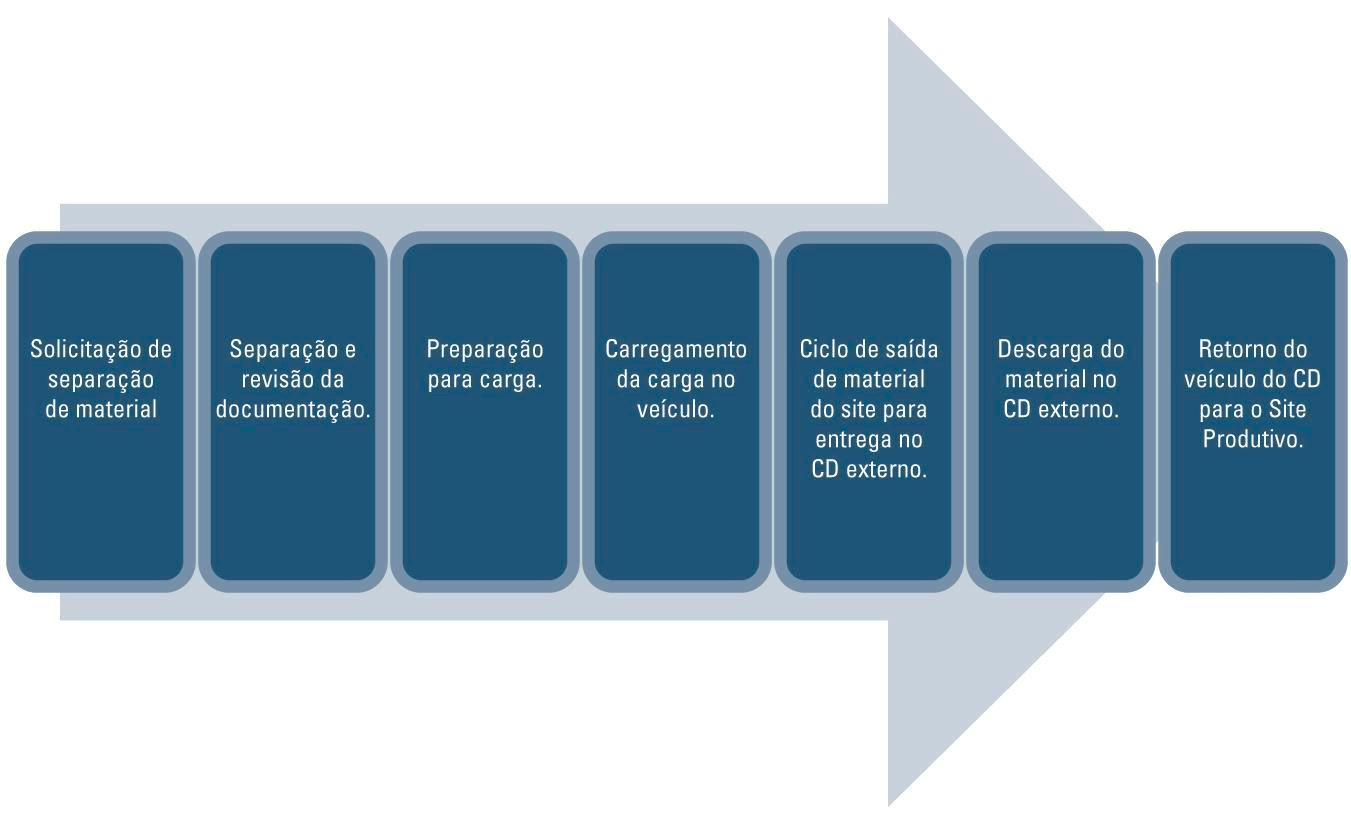
During 2018, an agribusiness company in the interior of the state of São Paulo optimized its material handling cycle by 75% and improved productivity for its operators without increasing headcount and with low investment, by revisiting its handling process from the picking of finished material (located in the production unit for shipment to the internal warehouse) to its arrival at the Distribution Center outside the plant (which is 40 kilometers away from the starting point).
Presenting the problem
It all started with an emerging problem the company was facing: the internal warehouse could no longer hold any more materials. The solution was to send part of the production stored at the production site to an external warehouse. As a result, the volume transported was huge and the amount of materials was significant; approximately 12 trucks with 24 tons each were moving along this flow daily, which corresponded to approximately 288 tons of material transported per day, with each ton corresponding to approximately one pallet of material.
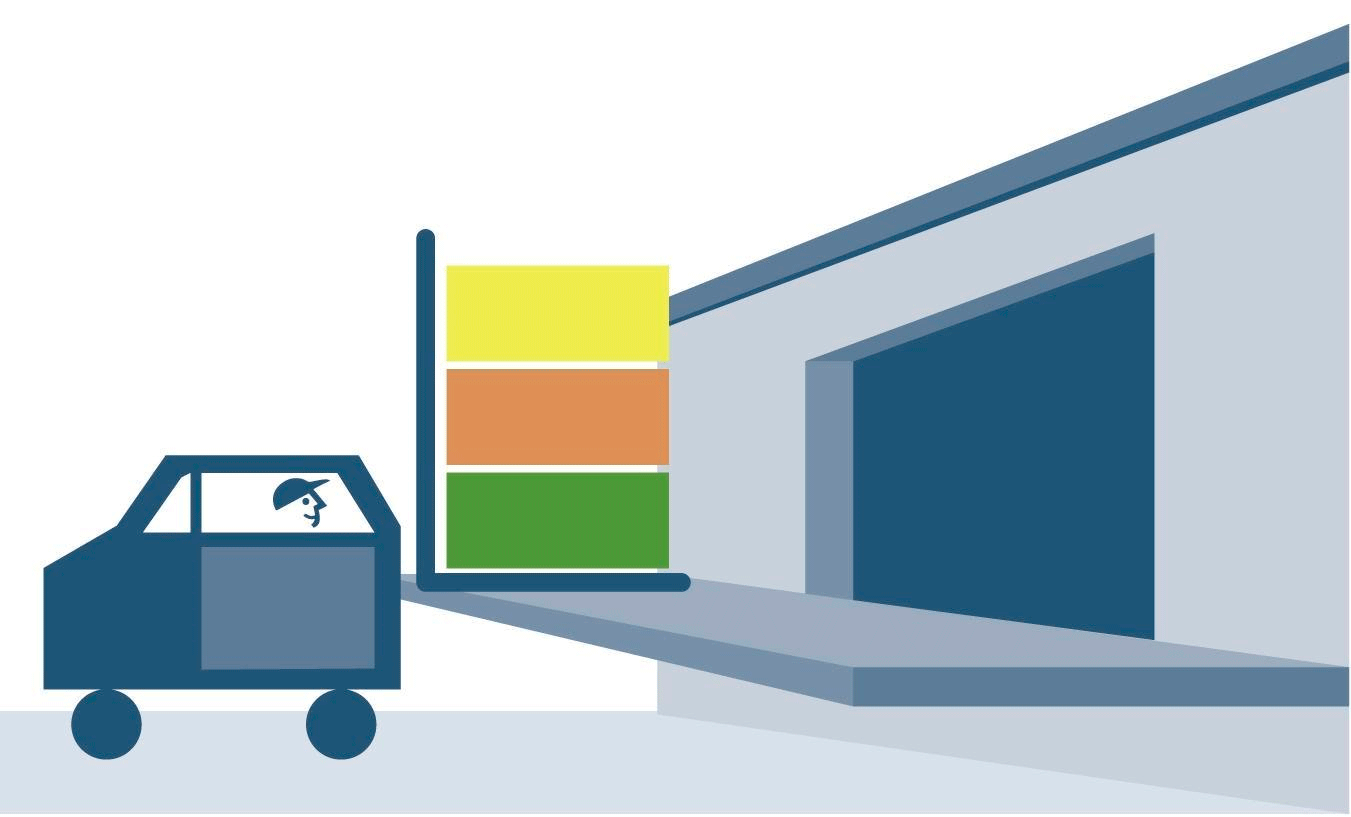
With all this daily movement at the company's entrance, the solution found for the initial problem seemed to have led to an even bigger one. A large number of vehicles was left waiting at the company's entrance every day for the materials to be loaded and transported to the external DC. The problem with all this was that, the way it was done, it took on average about eight hours for each vehicle that arrived at the gate to get out of there and reach its destination.
A series of observations could easily be seen by everyone involved in the process:
- The trucks were hired individually.
- The loading time of the vehicles was not set by anyone, and loading took place in order of arrival.
- The sequence of the vehicles was not clear.
- The material to be loaded onto each truck was basically decided only moments before loading.
- Even though people and the area were available and ready for loading, delays and waits occurred, leading to long holdups and a series of wastes that directly affected the utilization of the team and the company's pocket.
Blindfolded, the team had tried to make countless improvements, trying to enhance the process and reduce queues, delays, overtime and waste in general; however, without an in-depth analysis of what was really happening, it was all in vain. On average, eight hours was still the norm for each truck.
Studying the problem
The whole team did not understand why they could not improve; they had the feeling of skating on ice, going nowhere, but they were aware that something needed to be done and that the process needed to be revisited and analyzed more broadly for an effective and sustainable improvement. First of all, it was necessary to clearly understand the problem described above, which was the delays and extra costs in the process of picking and shipping the material, and to set a clear objective of significantly reducing these losses and improving this process, and the lean philosophy could support this process of analysis and transformation.
After aligning the problem mentioned in the previous paragraph with the team and the leadership, the next step was to analyze the process and each of the steps involved, in order to understand what change needed to be implemented. During the analysis carried out by the team, a series of causes became very clear, some of which are listed below:
- Lack of flow in the loading process.
- Constant stoppages and interruptions while carrying out the activities.
- Lack of clarity about the activities performed for the people involved in the process.
- Different types of vehicles involved in the process, with different capacities, different ways of opening and closing the vehicles and different states of repair.
- Delays and losses throughout all the activities involved in this flow.
Plan for improving the process
Once the team understood the causes that led to the larger problem, it became much easier and clearer to tackle them one by one to achieve the expected improvement. The concept of continuous flow1 — which can be defined as producing and moving one item at a time (or a small batch of items at a time) through a series of processing steps, continuously, with each step doing only what is required by the next step — was applied to the process.
During its implementation, a series of gaps emerged, preventing the process activity from being carried out in the planned time. And, at that point, the team took the opportunity to see the opportunities involving operator safety:
- Operator movement close to forklifts and conflicting movement areas.
- Different floor levels for the various steps of the material picking and handling process.
- A travel of approximately 10 meters from the floor to place the material inside the trucks in one of the process steps, involving lifting and lowering the pallets at several points.
- Significant risks of product quality problems and damage, due to the transport of the material across several steps involved in the process of picking and moving it to the vehicle.
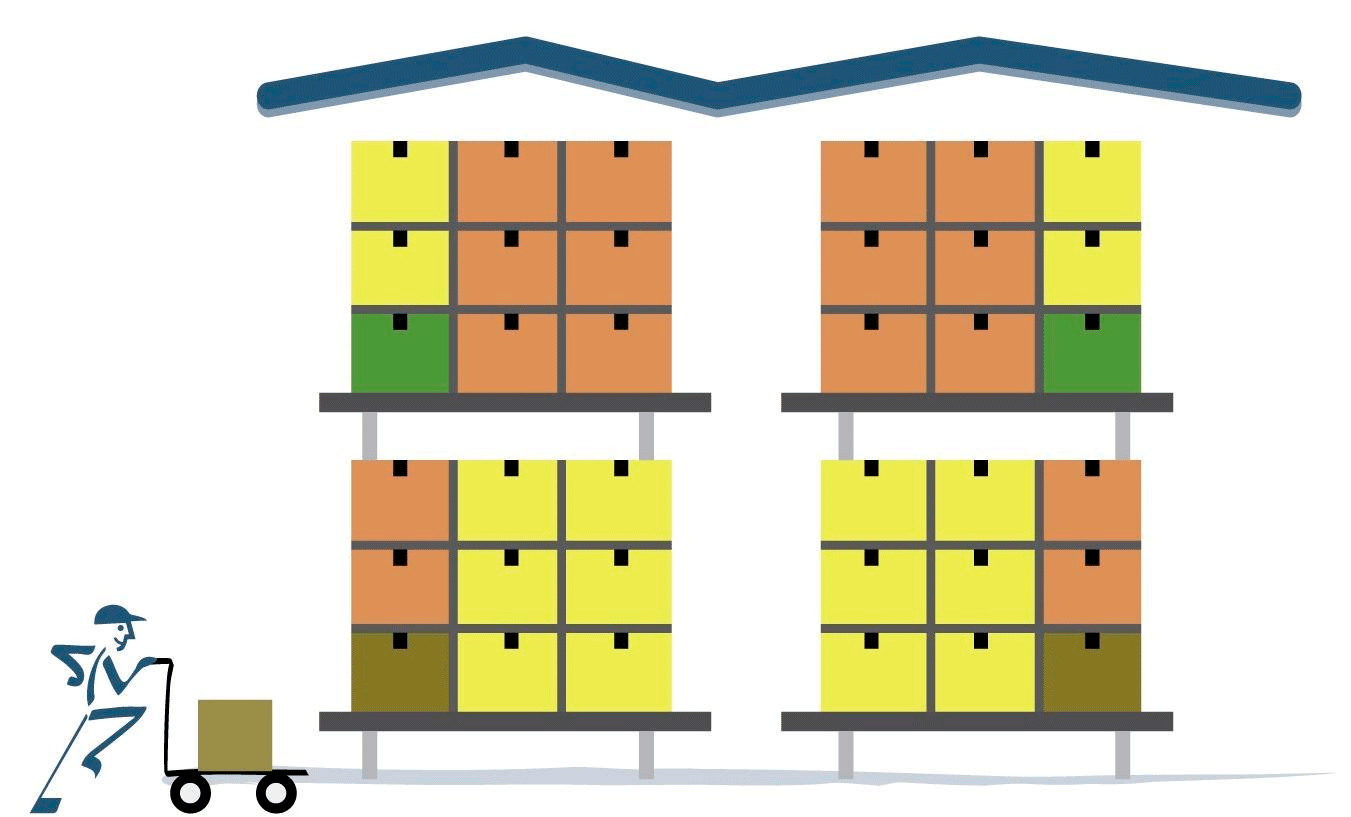
By collecting the data mentioned above and observing the moments when the operator stopped and the moments when the work did not flow, the team created a plan based on the operator's workflow that aligned operator-material-information-equipment. Another point worked on was understanding the equipment, docks and forklifts available and rethinking how these sets of physical resources could, in line with the review of the operator's work, be more connected.
Apply lean principles to the field with lean consulting for agribusiness and achieve a leaner, more productive and sustainable operation. Less waste, more results and control at every stage of production. Click and find out how!
As for the risks involving operator safety, the team analyzed with the leadership how to mitigate loading accidents and adjust some equipment and resources to bring the process within safe working levels for the operation. Then a change plan was also put together, defining dates and owners for each action. This further increased the participation and involvement of the whole team, who increasingly saw that the company was supporting them and making investments to ensure their safety, and that they were an essential part of the whole transformation process.
And with the essential part of the transformation process in mind, which is people, the next step was to involve and train the whole team so they could learn more and more about the lean philosophy, making their way of thinking and of carrying out day-to-day tasks increasingly lean.
To integrate and train the team, the entire area was marked out and standardized work — which is the establishment of precise procedures for the work of each operator in a production process — was created for the operators2. From then on, the activities were monitored and deviations were recorded and mitigated according to their impact on the flow and delay in the loading process. A new concept then became important at this stage, daily management — which refers to monitoring and managing the main business indicators, defined through strategy deployment.
The team understood that, in addition to standardizing their work, it was necessary to review the physical resources and equipment. This meant creating a logic for the operator's work from collecting material from the warehouse, staging it on the floor for loading and in its respective locations, checking these materials in line with the docks created through this analysis, and loading and dispatching the vehicle.
Throughout the transformation process, while the next steps were being adjusted, a constant change in the mindset of everyone involved was taking place, along with a greater understanding by the whole team of lean, as well as of the respective wastes in the process. As a result, it was possible to further reduce problems that had not been foreseen initially, and people became more open, together with the support of the leadership, which was crucial to ensuring the soundness of these improvements.
Results and improvements
As the changes progressed, the need was noticed to align the process of vehicles entering the site and make this process smoother, to create an internal flow for moving the vehicle until it arrived at the dock, and to connect this process with the loading time of each load in each vehicle. These improvements as a whole resulted in a 47% gain in process time and productivity, and this was achieved over approximately four months of work, considering that the initial loading process time was eight hours.
With the great results achieved, the team decided to take another big step: it saw the opportunity to contract the vehicles and rent vehicles sized to the estimated volume, and it installed two hydraulic docks on the material picking and loading platform. The changes made helped the team see this opportunity, and at that moment it was possible to make this new change and make a significant leap in reducing the financial losses of this operation.
Now with a better understanding of the pattern of daily shipping demand and creating the concept of takt time — which is the available production time divided by customer demand3 — for loading each vehicle, the process was sized with two vehicles working for eight hours, which enabled them to handle all the material movement needed. All extra handling costs were eliminated, and the total cost of the process was reduced by more than 66%. And this made possible a series of improvements listed below:
- A work rhythm was created, owing to the creation of the vehicle's route between the two work units. Now the entire operation at both locations knew when the truck would arrive, and the material would already be picked in advance for loading.
- The destination location was already aligned regarding the volume and where to store the material received.
- Standardizing the vehicles made it possible to better support the process of entering and leaving the sites, and of loading and unloading.
- The vehicle checklist and the operator registration for each movement were simplified.
In addition, after another wave of review of the contracted resources and with the rental of the transport vehicle in the handling process, it was possible to see their idle times and which ones had a time longer than our takt time and, thus, balance all the steps of the process and seek the highest productivity.
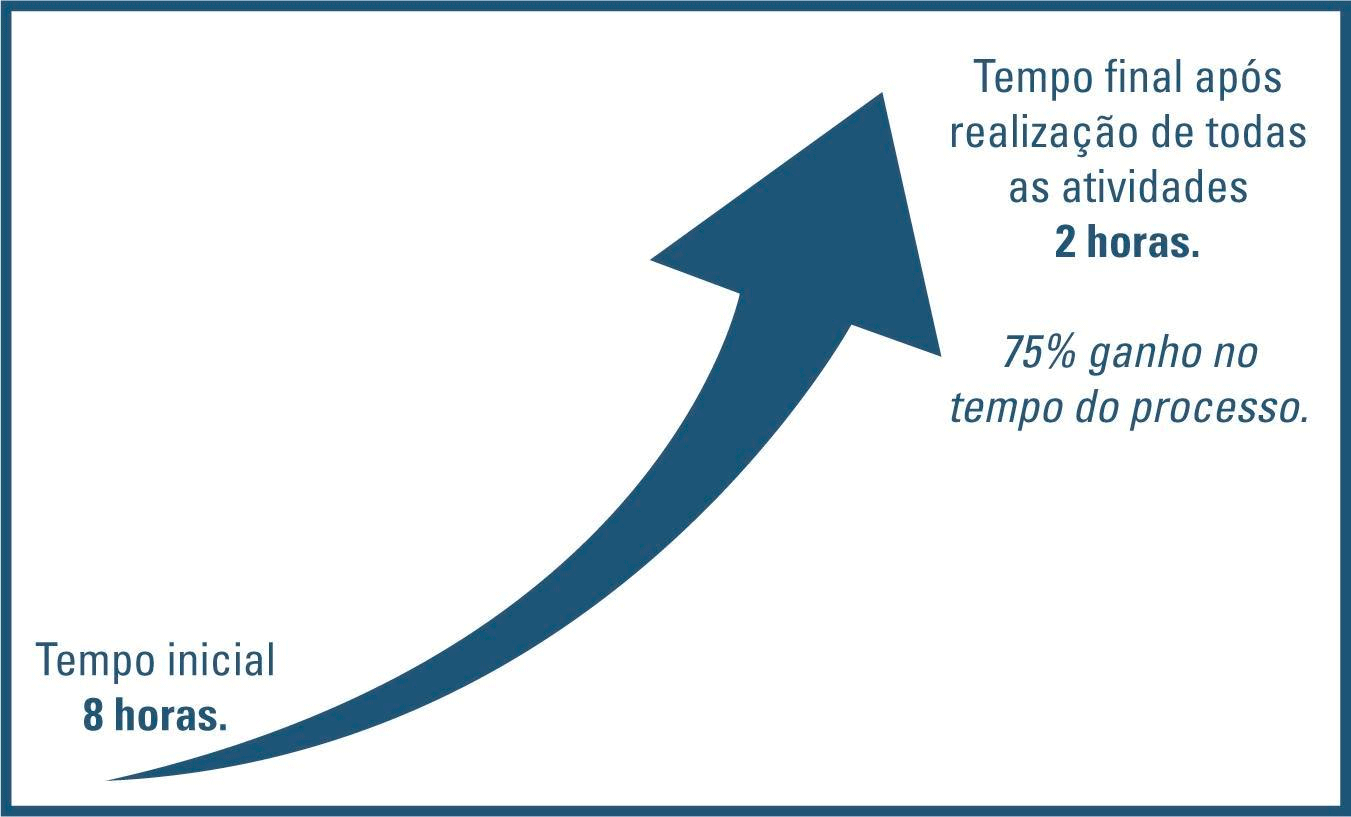
With this change in the process and the small investments made, all operator safety risks were mitigated, and a further advance in productivity was also achieved, resulting in an additional 28% gain in process productivity, going from an eight-hour cycle for a vehicle arriving at the gate to get out of there and reach its destination, to just one hour and twenty minutes for picking and loading the material at the end of the project and a vehicle cycle of two hours, achieving a 75% reduction compared with the initial time.
Lessons learned and next steps
Over 12 months, all the adjustments to the process and the changes to equipment and the physical area were made, and this resulted in the delivery of this project with the reduction of all extra costs, a 66% reduction in the total cost of material handling and a 75% reduction in the vehicle cycle time from arrival to departure. These changes were replicated in other business units, besides clearly showing new opportunities to expand the lean philosophy to other processes in the company.
The change process was long and required a good deal of work. The alignment and support of the leadership were provided at every moment, which leveraged and guided the whole team on this new journey. The leadership's alignment with the objective, connecting the whole process, was essential and ensured that this change was carried out consistently, motivating the team at all times. A decisive factor was making the stages of the change in this process clear to the entire operation and, with that, ways of monitoring and controlling the activities were created, which ensured an understanding of the gaps and everyone's alignment throughout the process.
Notes:
1, 2 and 3. See more about continuous flow, standardized work and takt time in “Creating Continuous Flow”, by Mike Rother and Rick Harris, published by Lean Institute Brasil.
BIBLIOGRAPHIC REFERENCES
HARRIS, R.; ROTHER, M. Creating Continuous Flow. São Paulo: Lean Institute Brasil, 2002.
DENNIS, P. Getting the Right Things Done. São Paulo: Lean Institute Brasil, 2007.
CARDOSO, A. Logística Lean em Centros de Distribuição [Lean Logistics in Distribution Centers]. São Paulo: Lean Institute Brasil, 2017.







