

Can you standardize creative work?
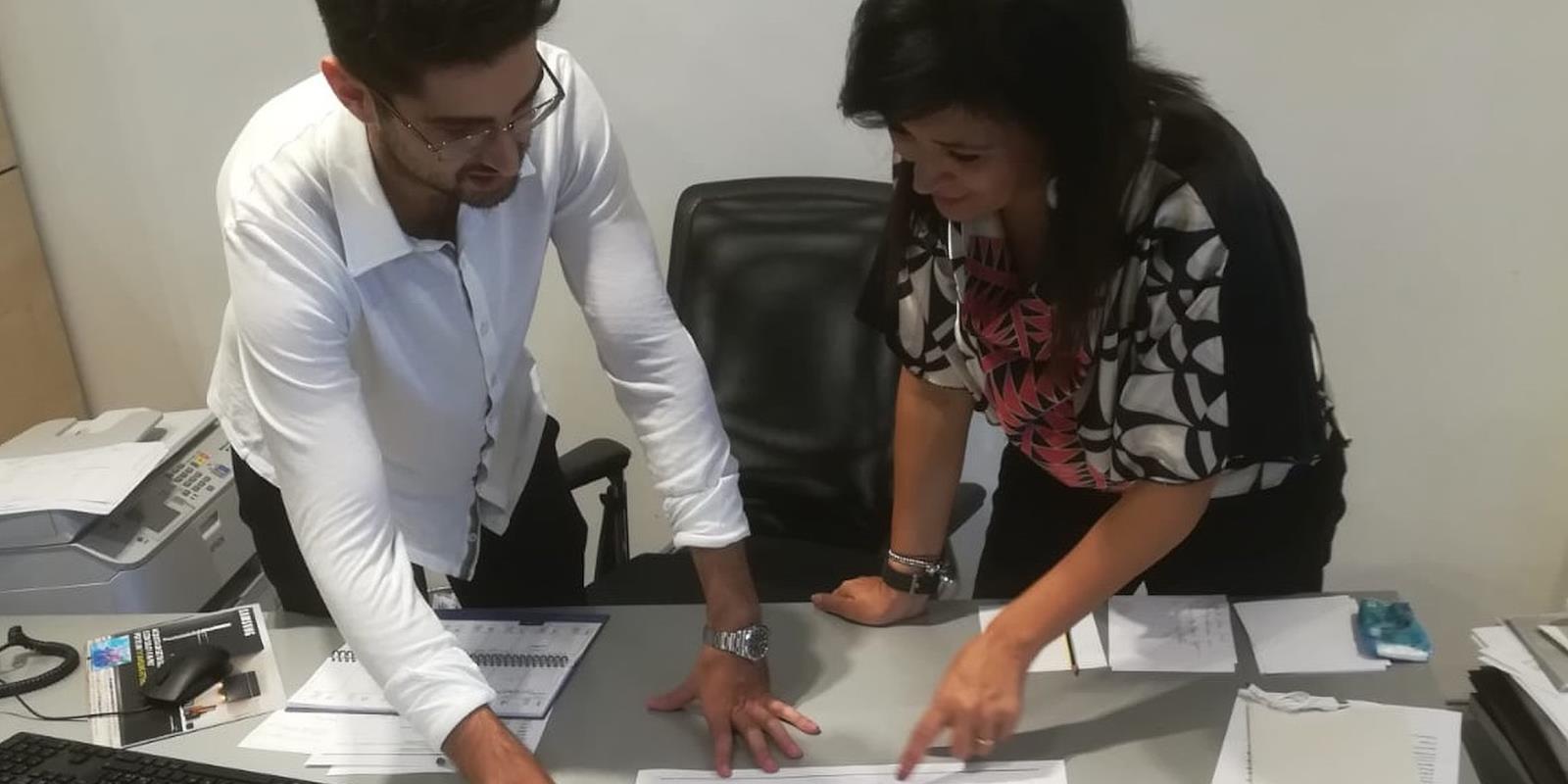
After three years working as a lean coach, in January 2018 I began managing a small company specializing in interior design for contemporary homes. In my new role, I had the opportunity - and, crucially, the authority - to improve the work using the lean capabilities I had developed.
Any improvement methodology we may adopt in a business is based on the repeatability of processes and, therefore, on standardization. With this in mind, the first thing I planned was to create a standard for all of our architects.
In our environment, each architect has their own experience, developed over time, dealing with clients and learning from more experienced colleagues. This means that each of them has a different way of working, different criteria for determining how a project should be managed and a different approach to analyzing the client's requirements. In a way, each of them is an independent business unit.
This, obviously, generates a lot of waste, because all the knowledge acquired by the architects is never really shared, and it makes operational improvements impossible, because everyone follows a different process.
I made an effort to address this situation in our first lean meeting. Two hours later, people seemed baffled by the idea of establishing a single working method for everyone. We broke off the meeting when one of them raised the question: "Do you really want to put a deadline on creativity?".
DEBUNKING THE MYTH OF CREATIVE WORK
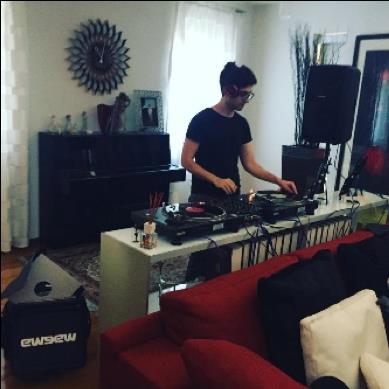
One Saturday afternoon in February, I was sitting in my living room thinking about how to get the message across to my people that standardization and creativity can coexist. I was with my brother Angelo, who is two years younger than me and is a professional techno music DJ. I thought a purely artistic profession like DJing could help me.
I asked Angelo whether he considered his work a creative profession. A little surprised, he replied: "Of course it is!". Then I asked him whether he used any kind of repeated procedure - or standard - in his work. I could tell he was about to say: "No". But then he stopped to think for a second. He began reflecting out loud on how, as a humanities student, he had learned that all authors (of poetry or prose) followed specific linguistic structures. Needless to say, Angelo and I delved deeper into the subject.
Every time I get home, I see my brother next to his equipment listening to music with headphones wrapped around his head. So I decided to start our discussion there. Every day, Angelo spends a few hours researching and looking for music for his library. But does he use a specific process to do it?
It turns out he does: there are certain websites he visits routinely, and he listens to music following a specific pattern. Every time he finds a track that matches his taste and his needs (and those of his audience), he visits another website to find all the tracks from the same album. If he finds something interesting, he buys the vinyl and adds it to his library. In this part of his work, the creative work lies in selecting tracks - the “tiles” that will make up the “mosaic” of his performance.
When he prepares a live event, he follows a different set of rules. In particular, he selects a few tracks he will use to open the show, based on the venue and the time he is playing and on the audience in front of him. Angelo also carries a selection of about 200 vinyl records: based on the feedback he gets from the audience on the opening tracks, he decides what he will play that night (he knows which "tiles" he has in his library because of the selection work he did beforehand).
So even artists follow a process to reach the desired level of performance in their work!
There is another example of a creative profession that few people would associate with standardization: the chef. While it is true that chefs express their incredible creativity in the kitchen, we should also remember that they are not the ones who cook the dishes in all their Michelin-starred restaurants (imagine Jamie Oliver running frantically from one restaurant to another to check his dishes); rather, many highly trained professionals can prepare food that meets the high standard expected.
Just like a DJ, the chef does the research work and then standardizes the cooking process so that their amazing dishes are always reproduced with the same result.
Clearly, standardization is a necessity for everyone, no matter how creative their work is!
HOW MUCH CREATIVITY IS THERE IN INTERIOR DESIGN?
After sharing these examples with my colleagues, I agreed with them that it was possible to identify a common process for all architects and interior designers. But what to standardize? And where to start?
In the examples above, there is a clear distinction between the moment the product is imagined and the moment it is developed and “sold”. The whole process is based on an analysis whose subjective considerations represent the creative part of the work.
We can follow a similar approach with interior design, clearly distinguishing the research phase (during which the “tiles” that will create our product are identified) from the execution phase.
Before talking about the system we created, however, let me explain the nature of our work. Here is how things usually unfold in our business:
- The client discusses their requirements with the architect.
- Based on these requirements, the architect comes up with a solution that ensures the functionality of the space and takes into account the products that will be used there.
- After further discussion with the client, the finishing touches to the furniture and other decorative elements are determined.
To do all this, the project needs to have a method for analyzing requirements, developing a basic concept for the project, studying the available space to decide how to organize it, knowing the products that will occupy the space and knowing the design limitations of different decorative options. These are the “tiles” every architect will rely on.
TRYING TO SOLVE THE PUZZLE
Now, let me share with you some of the solutions we have developed over the past six months to try to create standards in architects' work.
- Style book
Every project starts with an idea of the look a space should have. Architects believe it all comes down to creativity and that no pattern can be identified. However, during a kaizen event, we were able to see how we can categorize different types of space. We identified about 20 “model spaces”, to which we can connect all the spaces we see online or in magazines. Now, before starting a project, the architect has a tool they can rely on, a starting point for defining the look they want and for getting inspired. For each model space, we created a “mood board” - a combination of materials and color palettes we can use to achieve a specific visual effect. Architects can then adapt this to the specifics of their project.
- Supplier book
An analysis of our projects revealed that each professional tends to use specific furniture brands. Given the large number of furniture companies in our catalog and the difficulty of remembering their products, we decided to create a supplier book, in which we entered and categorized each brand's products. This gives the architect a quick overview of all the products they can use in the project.
- Design standards
Once the style of the living space has been determined, we start with the arrangement of the different elements that will decorate it. Until recently, each architect had their own way of organizing the space and placing different items, based on their previous experience. These solutions can also be standardized. For example, there are several ways to organize the space in a bathroom, including physical dividers (such as steps, panels or ledges) and visual dividers (such as false ceilings or differences in colors, materials or finishes).
These predefined solutions represent our design standards - a collection of ideas on how to arrange the different elements in a room. This knowledge works like a supermarket from which the architect can get the solution best suited to the client's needs, without having to start from scratch every time. The standards are continuously reviewed as new solutions and ideas are developed and added to the list.
DO STANDARDS KILL CREATIVITY?
There is no doubt that the standards we have created so far are helping architects in their work. However, the choice of how to use the different blocks is still theirs. This is our way of combining standardization and creativity. However, we have found that, because these decisions are not logical but have a strong artistic component, it is important for the company to have a clear idea of the direction to follow. In our case, therefore, the final decision on the project's standards is validated by an art director.
The results we have achieved so far prove unequivocally that we are on the right track. For planning a project for an individual room, for example, our standard lead time has dropped from 3 working days to 0.5-1 working days.
The mechanics of waste reduction in our firm are closely linked to our ability to avoid rework: before lean, architects had to start each project from scratch and make a new drawing. If there was a problem, they had to change everything. We also lost a lot of time in the rendering phase, when we select colors and materials. This is improving now.
We have learned that standardizing our architects' work has very positive implications for our onboarding process: my estimate is that we will cut in half the time needed to turn a beginner architect into an expert in decorating residential spaces (which has historically taken between four and eight months).
There is plenty of room for improvement in our company, and I look forward to sharing our progress with you in the coming months.







