

Lean to speed up the launch of new medicines
Brazil has historically been known as one of the countries that takes the longest to obtain the approvals needed to start clinical trials. As a result, the opportunity to take part in these trials is often lost, or we end up with fewer research participants compared with other countries that complete this approval process more quickly.
In this context, Roche, one of the world's largest pharmaceutical manufacturers, faced the difficult task of reducing the process lead time so that the country would not fall behind and miss out on the opportunities and potential of these trials. Using lean in Brazil, the multinational managed to cut approval time by almost 50% and achieve times similar to those found in the best-performing countries, such as some European countries, giving Brazilians more opportunities to take part in future trials, which are essential for developing innovative new treatments for many different diseases.
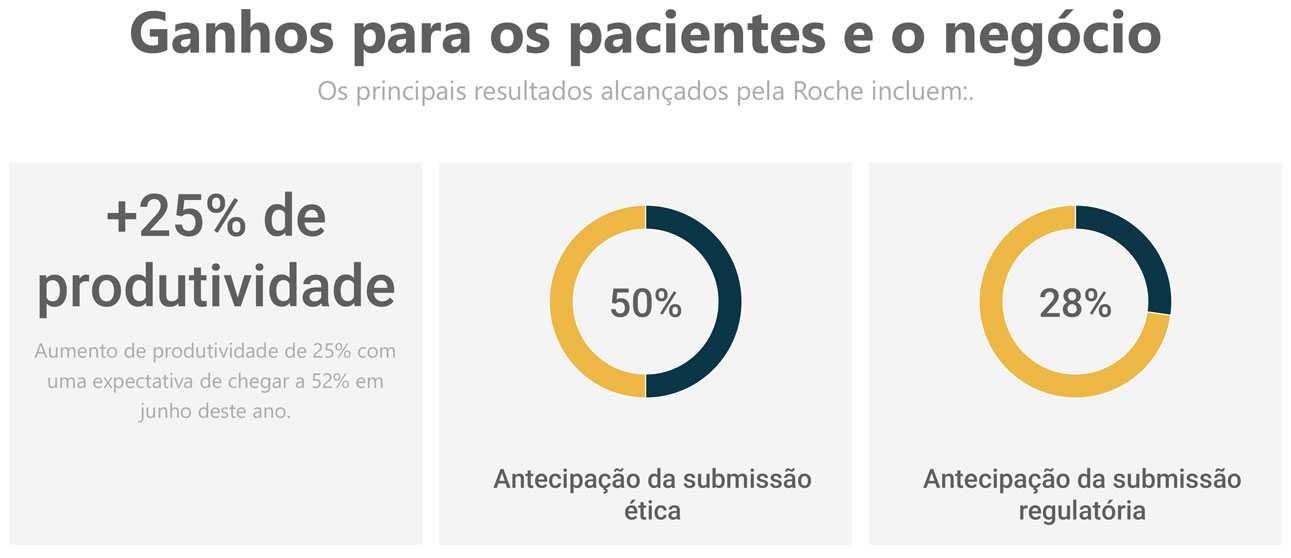
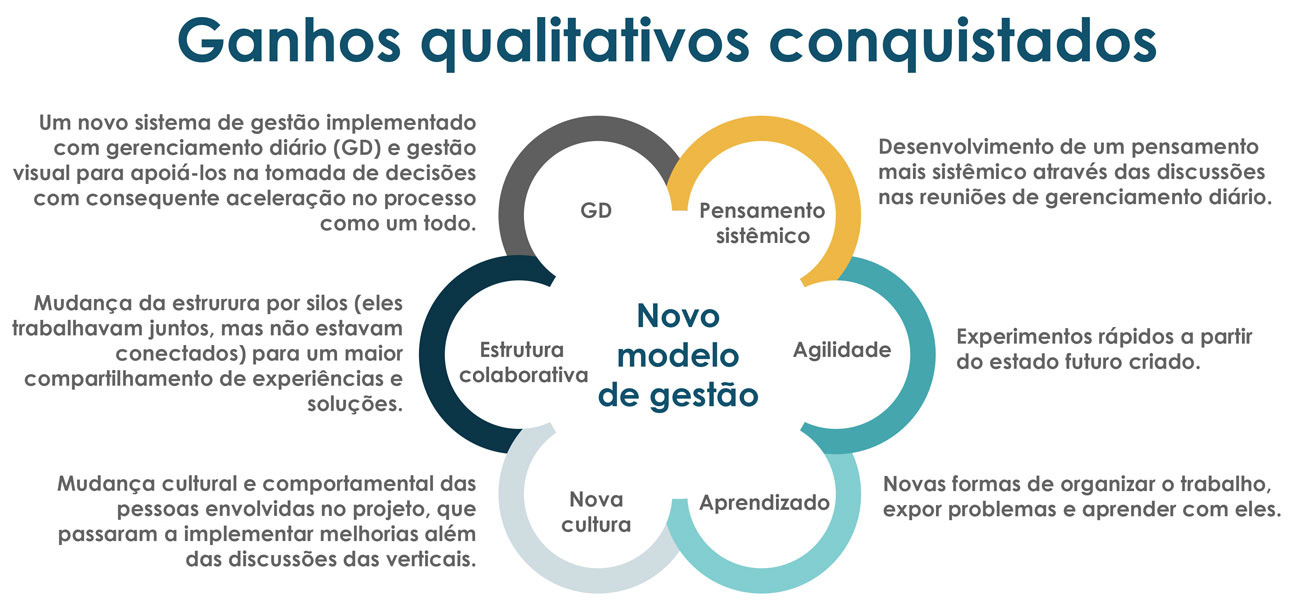
Roche now has a new management system in place, with daily management and visual management to support decision-making and, as a consequence, speed up the process as a whole. By changing its silo structure, which had them working together but not connected, they achieved greater sharing of experiences and solutions.
The result of all this is a cultural and behavioral change in the people involved in the project, who began to implement improvements beyond the discussions of the verticals, which are the main focus of the transformation. In this way, they reduced times and increased the productivity of the verticals (the main focus of the transformation), developing more systemic thinking through the daily management discussions.
But how did they achieve all this?
Brazil is a core country for conducting clinical trials, with the number of trials almost doubling between 2019 and 2020. However, with Brazil's highly complex and unpredictable regulatory landscape, this perception of a high workload, combined with the company's restriction on continuing to hire at the same pace as in recent years, made Roche's current working model unsustainable. If they did not change the way they worked, they would not be able to handle twice as many projects and would leave Brazilian patients behind in this whole situation.
That is why, since July 2020, Roche has been undergoing a Pharma transformation, with the expectation of increasing investment in research and development and doubling the number of projects in five years. In response to this need to change the Brazilian landscape to keep pace with the company globally, they needed to design a new management system with the vision of delivering three to five times more benefits to patients at half the cost to society.So the work began. Analyses of the company's current state pointed to the main offenders of lead time, serving as the basis for defining the verticals and objectives, and allowed them to see what the bridge would be from the current state to the future state, which was the situation they envisioned being in according to the objectives they had set. In this way, they realized which actions and countermeasures they would need to implement to stabilize or improve their current state, implementing kaizens in the process. And the results were not long in coming…
The “Kate 3” trial
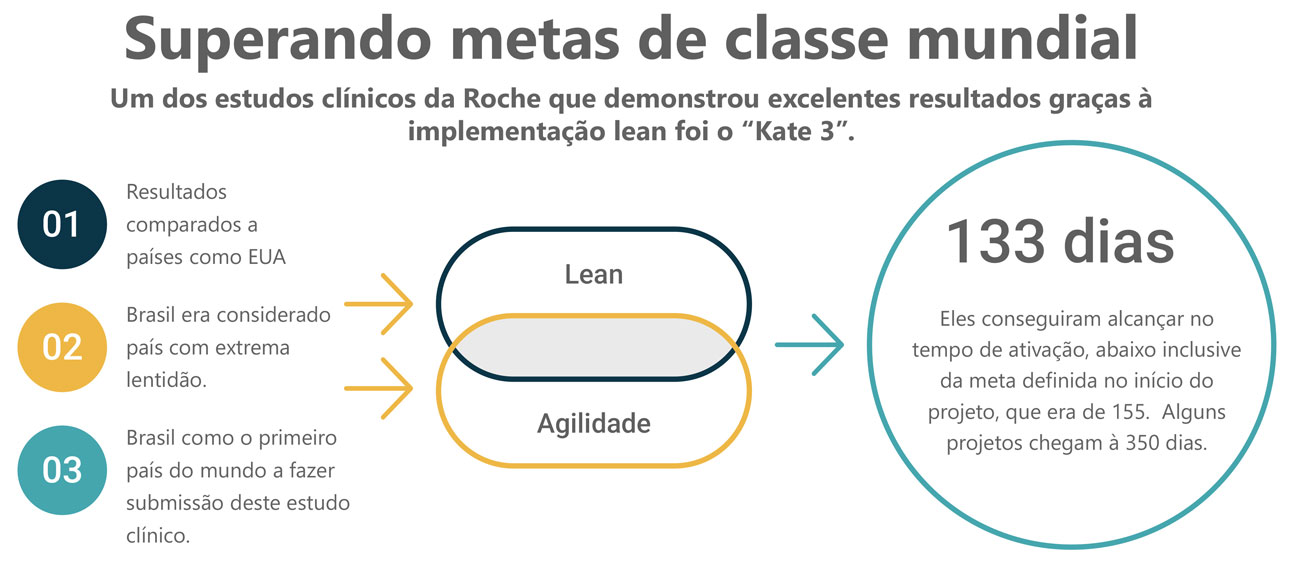
One of Roche's clinical trials that showed excellent results thanks to the lean implementation was “Kate 3”. They managed to achieve an activation time of 133 days, even below the target set at the start of the project, which was 155. These impressive results surprised Roche's global team because they were similar to those found in the countries with the best performance in this process, such as the United States. This was something unthinkable for Brazil, which has always been recognized as a country of extreme complexity and slowness in its clinical trials. More than that, they managed to make Brazil the first country in the world to make the submissions for this clinical trial one of the first countries to start the trial and to recruit research participants, a truly impressive result.
Listen to the interview with the Roche team
Listen to the interview with the Roche team
All of this meant that Brazil came to be seen in a better light by Roche's global team, something that gave great strength to the lean implementation in the group. In recognition of these results, the country was given priority by the global team in receiving trial materials, something that very rarely happens and that allowed the medicines to reach the country much more quickly.
The planning and collaboration of all the teams involved in this trial had a remarkably positive impact on the results and, collectively, led this trial to unprecedented success, making it a benchmark for all of the organization's trials, not only locally but globally.
Reflections and new advances
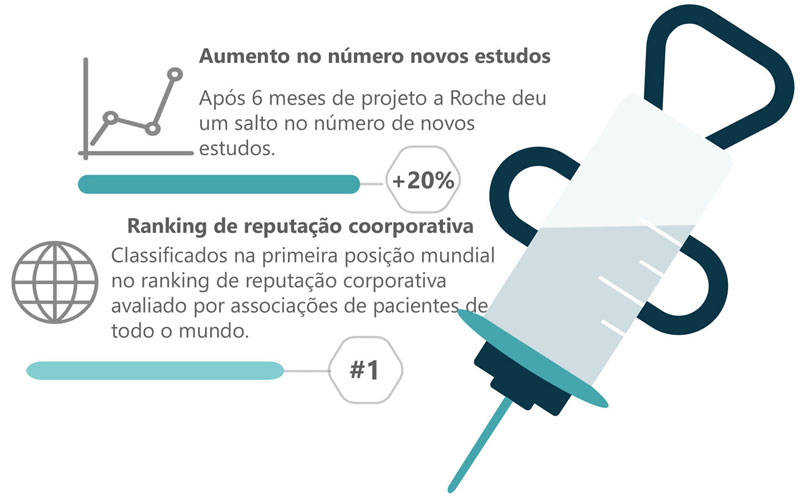
In just six months into the project, Roche managed to increase the number of trials from 65 to 81, with the expectation of reaching 100 in another six months, all without increasing the number of dedicated people. Recently, they were ranked first worldwide in the corporate reputation ranking assessed by patient associations from around the world, as published in the Corporate Reputation of Pharma report by PatientView, an independent organization in the United Kingdom. In 2018, they had ranked fourth.
To keep growing and staying on the right track, they are certain that they can carry into the future the lessons they have learned so far. These were impressive results that they achieved in such a short time by connecting the lean philosophy with agile thinking, analyzing problems and running short implementation cycles. The team's pace and engagement were essential elements of these achievements, and so continuous improvement became part of their agenda.
Armed with all this experience, they aim to continue implementing kaizens at the ethics, regulatory and feasibility levels, connecting the verticals to daily management. Expanding this transformation further and further across the whole company, and at an ever deeper level, makes an important contribution to all of Brazilian society: the more agile the process, the more access people will have to new medicines and the more they will benefit from them. This is the power lean has to make an impact on the lives of people and society.
This case was produced from the lessons learned in the project supported by Lean Institute Brasil. It was carried out by a team of specialists from the services vertical.







