

Supply Chain Management: New frontiers on a path of uncertainty and complexity
Nobody can paint the portrait of a supply chain when it bursts. If old problems (low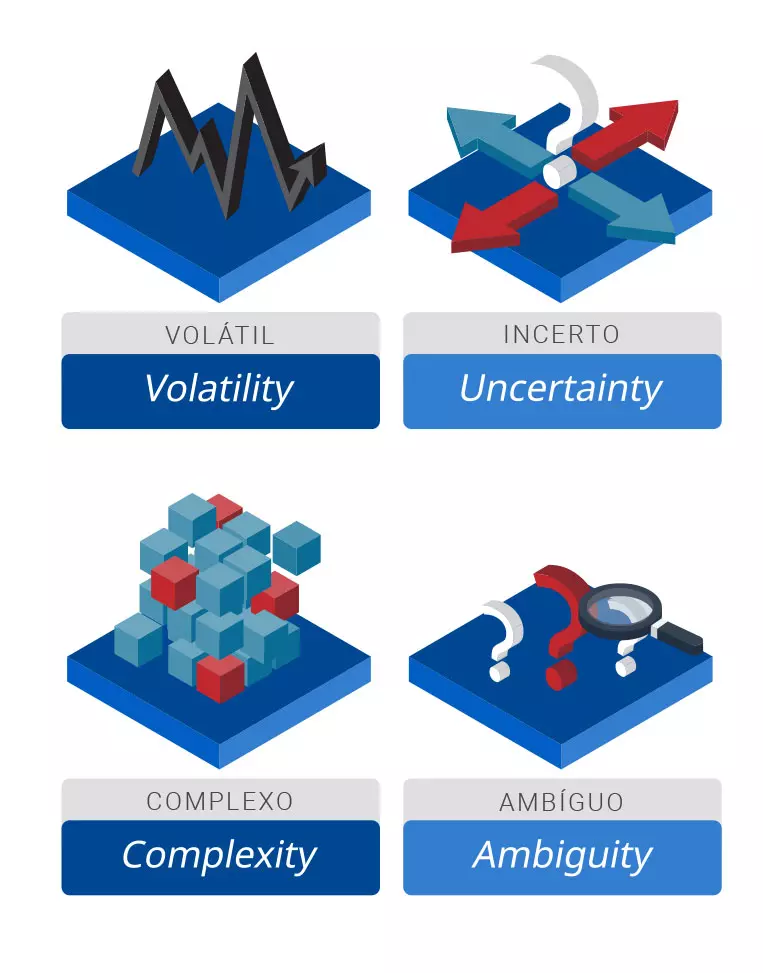 inventory accuracy, long lead times, stockouts, low delivery reliability) already haunted day-to-day work, and often the sleep of supply chain professionals, the last 30 months have shown how new and unpredictable sources of instability can directly affect the flows of materials and information. The Covid-19 pandemic, the EverGreen ship stranded in the Suez Canal and the war in Ukraine are examples of how changes in global scenarios (with local effects) are faster and more uncertain. The VUCA (Volatility, Uncertainty, Complexity and Ambiguity) scenario shows signs that it has arrived with no return ticket.
The chaotic context reinforces the need for companies to remain competitive. Leaning out operations (reducing waste), ensuring quality at the source, creating cadence and increasing speed and flexibility become strategic drivers for business sustainability in the VUCA world. The practice of lean thinking, which fundamentally addresses these drivers, takes a prominent position in playing the role of true north in organizations, as a compass for a path of uncertainty.
A new scenario:
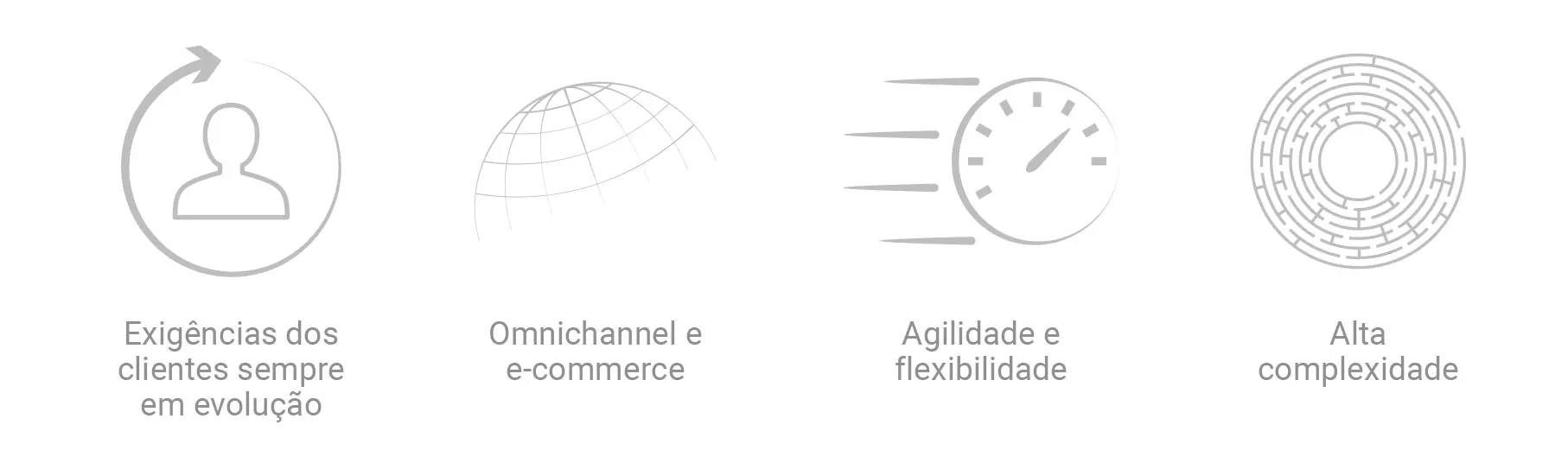
In parallel, for any business, customer requirements continue to evolve. Delighting the customer becomes a necessity and amplifies trade-offs among cost, flexibility and risk, which increases the complexity of decision-making. Organizations, for their part, begin to coordinate more physically distant processes and involve ever shorter product development cycles. Omnichannel (a content strategy that integrates different channels and digital media to strengthen the relationship with the customer) continues to expand widely, which reinforces and accompanies the growth of online sales. In e-commerce, delivery time becomes a qualifying criterion, and product demand shows greater uncertainty and variability (condensed milk was the best-selling product on Mercado Livre in 2021). If the stability of flows and the leveling of orders are a premise for the proper functioning of a supply chain, the challenge for logistics professionals is continually intensified.
In the last mile (the final leg of the goods' delivery to the customer), anything can happen, even losing the customer. Next day delivery is systematically being replaced by same day delivery. Distribution Centers are already being structured to operate 7 days a week, 24 hours a day. In addition to the spread of order fulfillment in existing warehouses, new channels, delivery mechanisms and urban capillarity strategies are under full experimentation and consolidation to increase flexibility (for example, more stock points for fast-moving items, drone delivery, use of 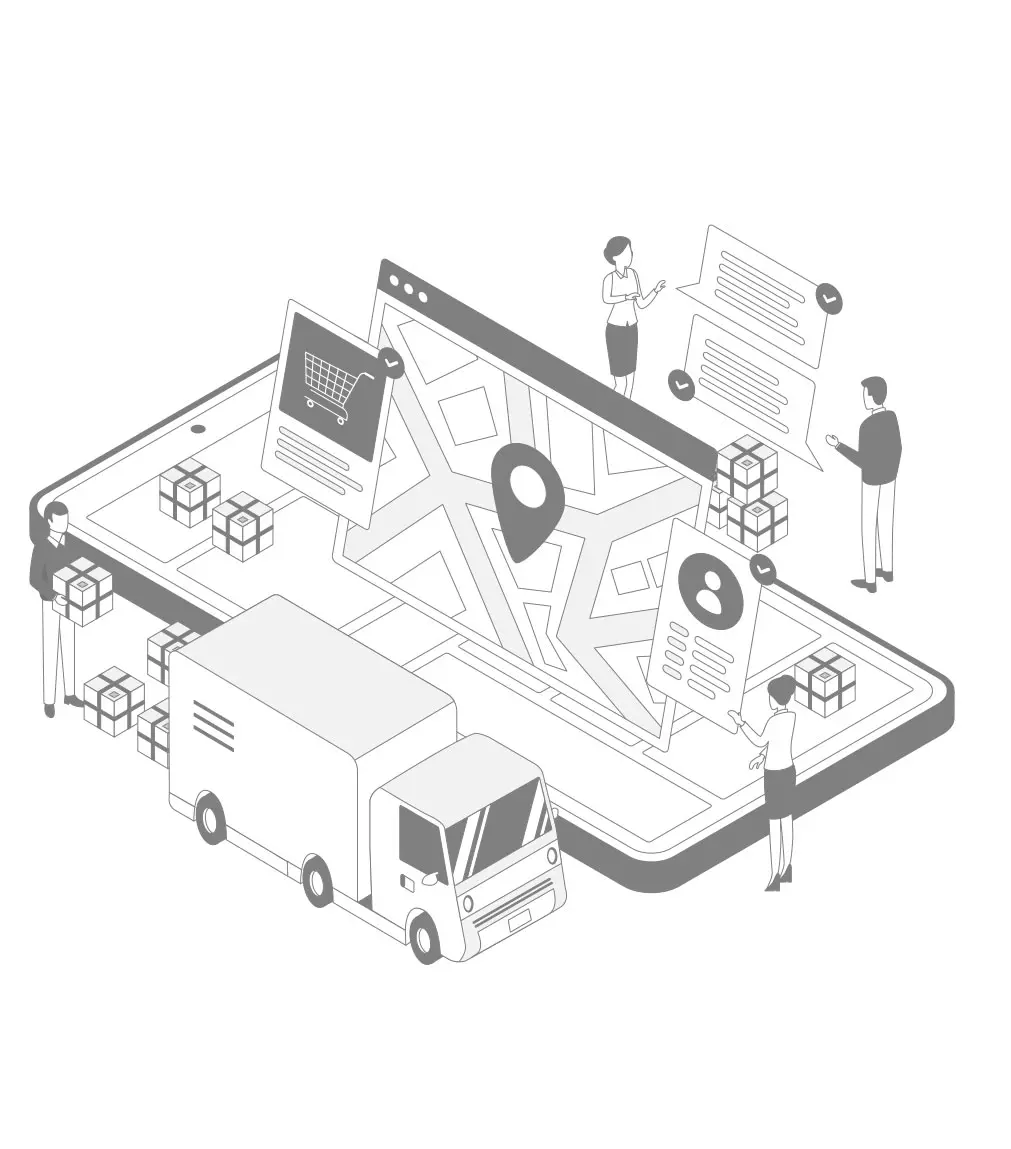 lockers…). However, this does not always happen without conflict between different business segments (for example, when the logistics operation is shared between physical sales and e-commerce or when there is competition in the warehouse between delivering and picking up products).
Technological evolution:
Visibility and integration
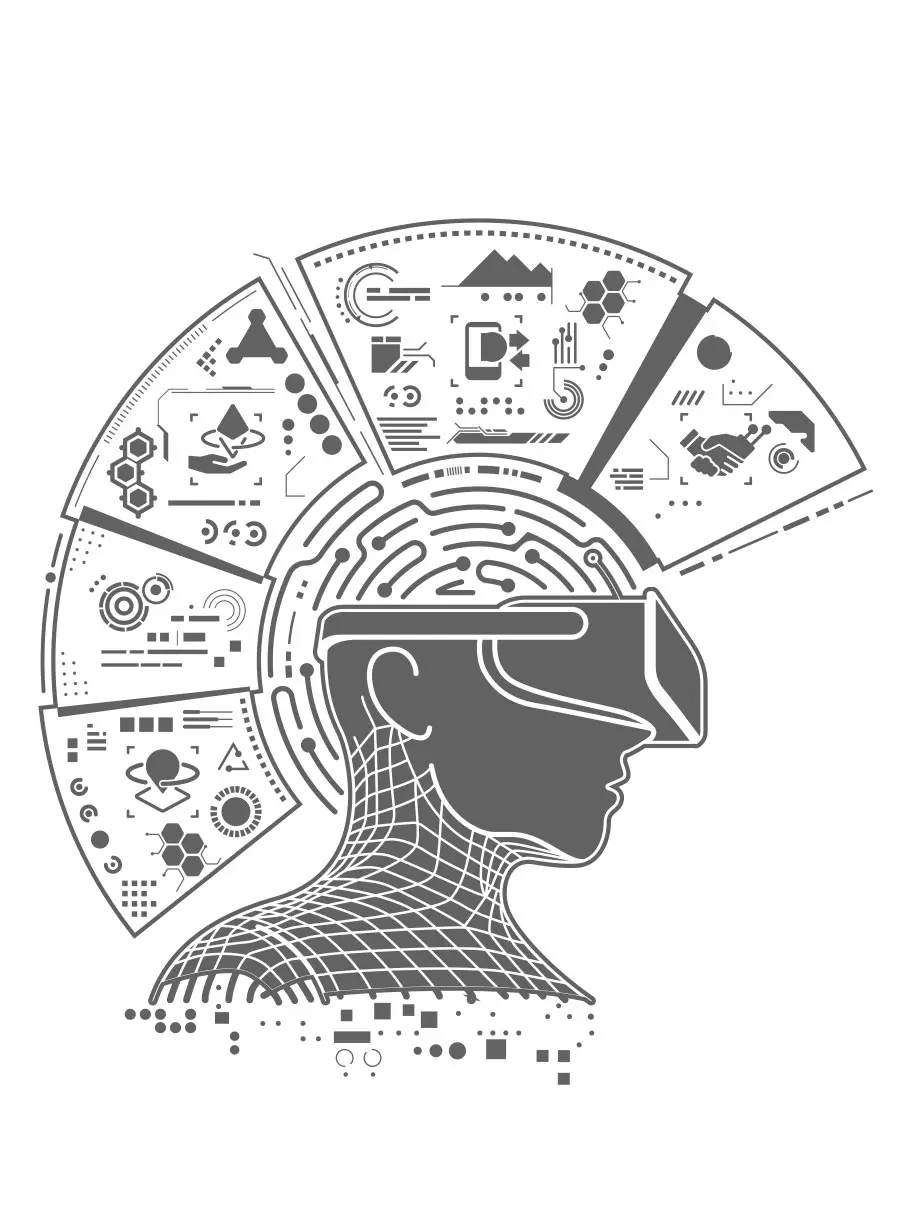
If the evolution of the supply chain over the last 100 years has kept pace with the development of new technologies, concepts and tools, new technological devices will be incorporated and developed by and for the supply chainitself. Examples of expanding technology in the logistics operation are voice picking, autonomous vehicles (in internal and external logistics), the “uberization” of logistics resources and augmented reality glasses, which set precedents for the immersion of logistics in the Metaverse. The incorporation of the virtual world into real operations brings uncertainty, but it will increasingly be experimented with and shows signs that the phygital model is a charted route toward new logistics ecosystems and their insertion into Society 5.0.
Such ecosystems also bring a fundamental characteristic of integration among their constituent elements, which goes back to connectivity and the intensification of communication. Nemawashi (the process of gaining acceptance and evaluation of ideas) and yokoten (horizontal deployment of concepts) are lean practices for promoting integration and communication. In this sense, CRM/SRM systems (Customer/Supplier Relationship Management) can be integrated, together with other elements for monitoring the logistics chain and the internal operation, with a supply chain Control Tower perspective. An important caveat lies in the objectives of creating control: it must bring agility to problem detection and promote learning. Instrumenting control only to generate reports and lagging indicators (e.g. on a monthly scale) may end up failing to instill resilience in the chain as a whole.
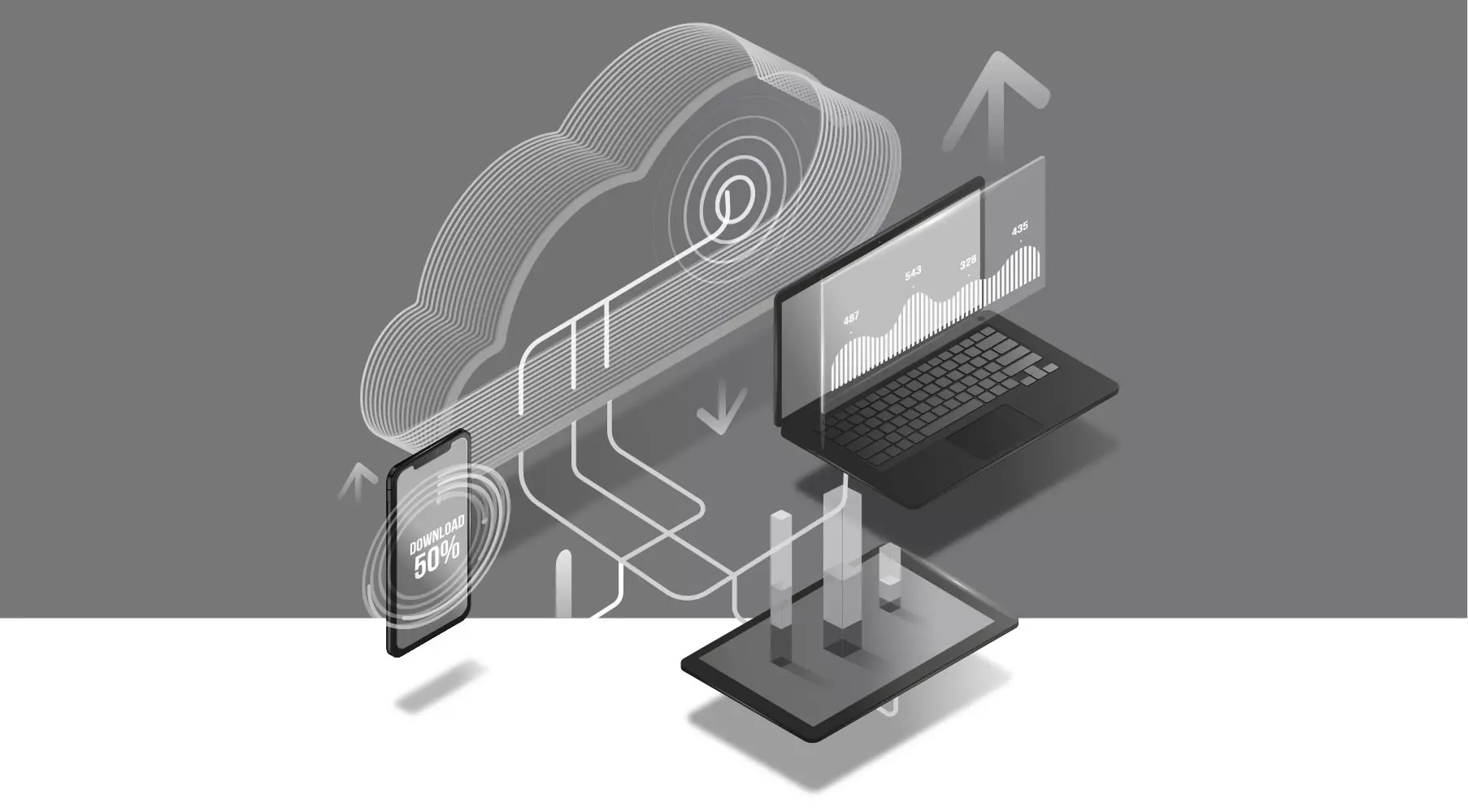
Besides the possibility of contributing to versatility in adaptation, a managerial element of increased visibility can be achieved through intelligence and information processing resources. For example, big data and algorithms for demand forecasting (the concept of logistics anticipation), blockchain as a trust protocol, which broadens the scope and participation of fintechs in the value chain, and genetic algorithms to find solutions to search and optimization problems. The connection of these technologies, of sensing and artificial intelligence, of the internet of things and of other innovations points to the possibility of building logistics super-networks and of making Logistics 4.0 a reality.
Technological progress also points to the emergence of new business models and the breaking of paradigms. The evolution of additive manufacturing and materials science may allow organizations to sell the product design for 3D printing at the customer's home. It would be a chain model freer from opportunities for waste, but also uncertain in terms of the path (with possible obstacles and setbacks) to that target condition. A perfect (and utopian) lean horizon would imply an operation free of all waste: the customer imagines, and the product materializes immediately in front of them.
Some argue that such technological advances will by themselves enable and bring about an improvement in performance in the supply chain. While, on the one hand, new tools and technologies are indeed capable of generating productivity, on the other, one must always see the chain as a whole. Chain efficiency is an end-to-end journey, where optimization lies in the whole. If not looked at systematically from the value stream, isolated improvements run the risk of making a specific point in the chain (for example, a warehouse) a single productive link amid a network of noise, problems and instability (for example, demand sources and the management system).
More than applying new technologies or following certain trends that may even be seen as fads, Ariadne's thread for adopting technologies amid the labyrinth of uncertainty and complexity lies in seeing value for the customer. It is through the prism of the value stream that the systemic view of the chain can reach its full potential, making it possible to identify, in short, which activities generate value or waste and, with that, to bring learning. The customer-focused systemic view is what makes it possible to move forward in understanding the main problems and current causes of instability in the chain, so that they are addressed first (with or without automation), and to turn the wheel of continuous improvement. In this sense, supply chain Control Towers are welcome instruments, as long as they are aligned with the purpose of generating a systemic view and integration to increase the visibility and resilience of the value chain.

Supply chain:
The stage for adding value
On the path of continuous improvement, the great benefit of adopting technology lies in reducing the lead time for addressing problems. Whether by enabling new experiments (fail fast, fix fast) or by accelerating and automating the problem-solving method, the role of technology is associated with reducing this time interval. In other words, the organization's gain lies in being able to reduce the time needed to perceive, analyze, decide on and correct each problem. The ability to provide visibility of problems and their causes, as well as the possibility of anticipating information and predicting events, is contained in the concept of lead time for addressing problems.
An alternative to a possible inability to see or anticipate unpredictable events is to increase flexibility and capacity in supply chain processes, including in manufacturing. The trade-off curve between cost (inventory or manufacturing) and flexibility becomes steeper as chains seek to remain competitive while safeguarding the premise of delighting the customer, which may involve “same day delivery”. Considering that not all demand variations can be foreseen (once they occur), the chain's ability to be flexible may be the differentiator in serving the customer.
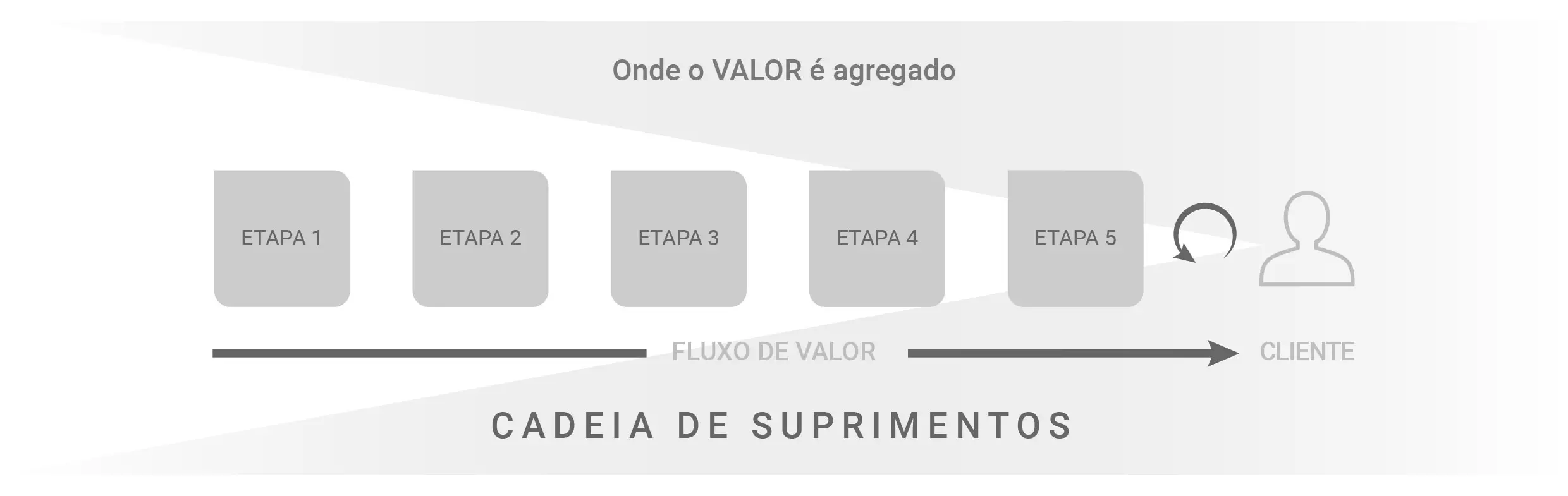
The subtlety in the ability to evaluate decision alternatives in the race of trade-off curves suggests the fundamental element in the perspective of a successful supply chain: people. Far beyond the capabilities of artificial intelligence, creative and innovative potential, with respect for people, is what makes us human. The pandemic provided unique lessons regarding respect for people: in dealing with life and death, the responsibility of decisions in supply chains comes down to their impact on individuals. Amid the context of uncertainty and complexity, supply chain professionals are proving to be true heroes. While they devote much of their time to putting out “fires”, they are held accountable for improvements or targets they had no part in building. It is necessary to understand and reinvigorate leaders' vision through the prism of the supply chain, always with respect for people.
Organizational decisions invariably have implications for the supply chain. Even if a decision does not in itself generate waste in the value chain in which it was made (for example, in marketing or in product development), value or waste will certainly be generated in the supply chain.
Where to start?
The Greatest impact for the Customer

It is the supply chain that will serve as the place for the decisions that impact the customer. That is where our focus needs to be.
It is urgent that decision systems, especially at the top levels of leadership, which are often far from the gemba (the place of the operation), systematically understand the effects on the supply chain of each deliberation (made in sales, marketing, R&D etc.) and the waste and problems it may generate in the short, medium or long term. These include increased inventory, the bullwhip effect, increased process variability, operational instability, more non-standardized work, more overtime and problems with team morale. The good news is that there is a concrete proposal to encompass people and processes in the face of these challenges.
Don't forget the basics:
Back to fundamentals
Respect for people and the systemic view of the chain from the value stream perspective come together in the lean thinking approach. Lean also brings methodologies (for example, hoshin, A3 and DM – Daily Management) capable of guiding leadership behavior in purpose-driven decision-making with people's engagement and participation, which provides a means to distinguish the different trade-off curves and address them in a complementary way. The proposal of adopting lean management of the supply chain makes the organizational path oriented toward a common purpose, which sees the next step in short cycles of interaction and allows the team to stay on the right course, with the only certainty being that obstacles, setbacks, problems and anomalies will arise.
From the perspective of organizations that, by prioritizing the customer experience, decide to take on end-to-end responsibilities in the chain (avoiding, for example, “sold and delivered by company x”), lean takes on an even more significant expression. Beyond the internal chain (door-to-door), the end-to-end approach implies more eloquently the need for a systemic view in decision-making. This does not inhibit outsourcing or fourth-party outsourcing initiatives, which may even be necessary to enable the expansion of operations. However, the common purpose must be shared and disseminated, so that partners are integrated as a single team adding value for the customer.
It is also worth highlighting the importance of objectively considering the role of the supply chain in sustainability. Beyond the economic perspective, which involves TCO (Total Cost of Ownership), attention to environmental aspects and impacts throughout the product life cycle is reinforced in the development of Reverse Logistics and in the construction of Circular Economy models. Consideration of social impact on all stakeholders involved in the value chain is also becoming increasingly relevant: customers, employees, the local community, society in general, etc. Noteworthy are support for diversity and the creation of concrete mechanisms for social promotion (such as, for example, initiatives for former prison inmates or for women who are victims of domestic violence). Governance and compliance across the whole chain play a more significant role in supporting and monitoring sustainability impacts. Lean thinking converges with sustainable management by advocating process standardization, adaptability and lean mental assumptions.

In short, the global context with local consequences is VUCA, and there is no prospect of change. It is essential to look at the supply chain with a systemic view, from the perspective of the value stream. Decision-making needs to be conscious and to foresee the consequences and impacts across the entire chain. Adopting technologies is valid insofar as it contributes to optimizing the chain as a whole (increasing value and reducing waste), and not only when it generates isolated improvements. But, above all, respect for people is the fundamental condition for success, integration and continuous improvement in any organization. These aspects (a systemic view of the value stream, reducing waste and leading with respect) are the fundamentals of lean thinking, which therefore proves to be a safe and effective means of guiding organizations (for which the supply chain is core, and not a “necessary evil”) along a path where the only certainty is that the horizon looks complex and uncertain.
To deepen the discussion, provide feedback or request assistance, contact the author by e-mail: [email protected]







