

Lean Healthcare: reducing waiting times for cancer care
In 2018, the city of São José dos Campos, with 700,000 inhabitants, began experimenting with creating a hoshin plan for its health system. At the time, thousands of patients were on the waiting list to receive care (some for up to two years).
To try to speed up patient flow, the city’s Health Department invited the Instituto de Oncologia do Vale (IOV), which is recognized as a successful Lean Healthcare organization, to help it set up and run four pilot projects in gastroenterology, cardiology, urology and surgery. In this series of articles, we will explore some of the most successful projects that resulted from these pilots.
In this article, we will talk about Projeto Previna, which aims to improve cancer care for the residents of São José dos Campos (in the city, cancer is the second leading cause of death). In fact, the project initially focused only on prostate cancer, but it was so successful that it now applies to all types of cancer. What makes Previna particularly interesting is that at its core is effective collaboration among eight different organizations: the Health Department itself, primary care units, emergency rooms, a pathology laboratory, blood testing laboratories, two hospitals and oncology centers (IOV).
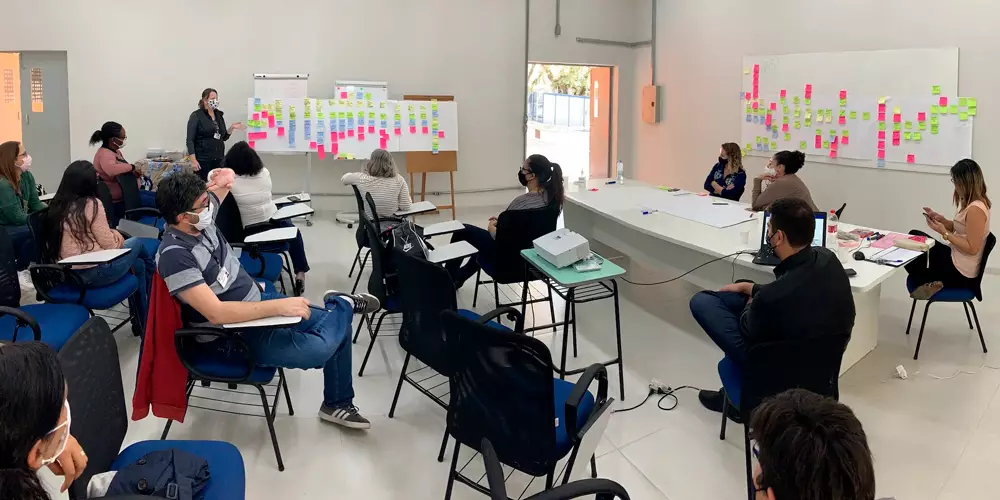
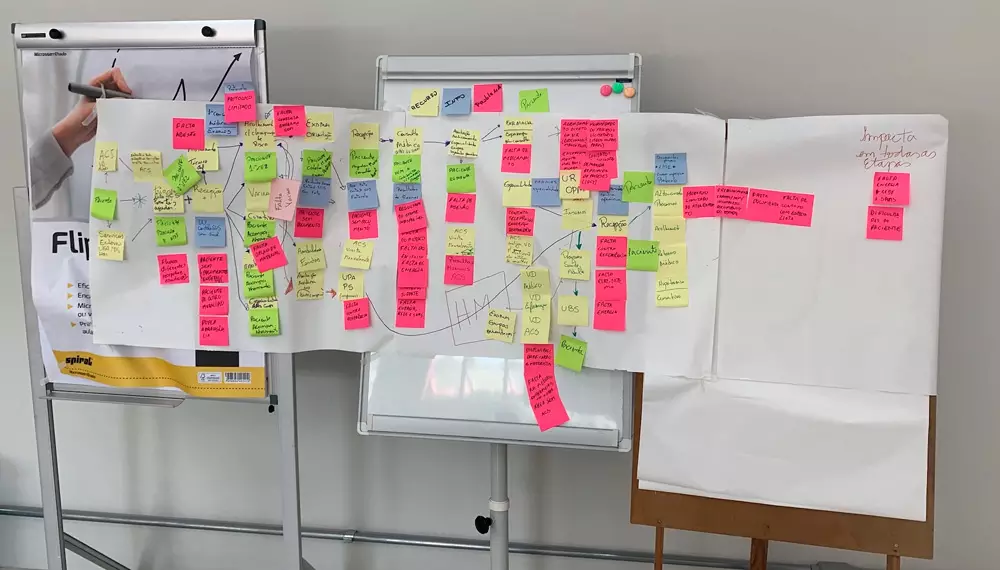
Our intervention focused basically on queue management and daily management. We created several patient flows, defining priorities and opening treatment slots for each of them. With a flow redesign at the cancer center (similar to what IOV had done), we were able to create a lot of room to treat patients. When the project began, we reorganized the queues according to patients’ priority level: high risk, medium risk and low risk. High-risk patients (those who needed immediate care) were seen quickly, while those who were probably not cancer patients had to wait a little longer.
For example, we know that patients with a high PSA (Prostate-Specific Antigen) level in their blood tests are very likely to have cancer, so we referred them directly to biopsy (they didn’t even need a doctor to know they needed one). When we fast-tracked these patients (there were about 200 of them, most of whom had prostate cancer), we immediately relieved the pressure on the system.
The same thinking applied to those patients who were not eligible for surgery and should go straight to hormone therapy, chemotherapy or radiotherapy. By looking at their medical records and tests, we can see immediately whether or not a patient can undergo an operation (the information was there all along, but we simply weren’t using it). When we started sending them straight to therapy, the number of people who needed to see the urologists dropped. This way, our urologists could begin to focus on more surgical patients.
As a result of these changes, the urology and cancer flows improved significantly. Previously, a non-priority urology patient had to wait about 400 days for an appointment, while today everyone is seen within 20 to 40 days. In fact, about 95% of our cancer patients today wait less than 30 days to access care.
These are the four main actions that made the project possible:
- Process redesign to better connect the various providers involved and allow teams to engage in daily problem solving. Visual management was used extensively.
- A tiered daily management system, based on three key meetings. A daily huddle aims to move patients through the system (for the Previna team – including Joana, the physician who manages the cancer flow at the Health Department, and the health supervisors of the primary care and hospital units); a weekly meeting with all providers (to organize the following week’s work and allocate work according to available slots and demand); and a biweekly meeting on overall performance within the Health Department.
- Open communication channels, with specialized phone support and a hotline connecting the flow manager with 46 primary and secondary care units.
- Emergency access and flow, with the introduction of a standardized process for emergency access.
Reasons for success
One of the biggest success factors of Projeto Previna was that, to ensure the project ran smoothly, the Municipal Health Department signed Service Level Agreements (SLAs) with the providers. These ask specific tasks of them, but the flow is managed centrally (an SLA, for example, may state that a provider must guarantee 40 biopsy slots per month). Such requests are easy for providers to accommodate and did not require many internal changes, except at the hospital (where a dedicated flow for cancer patients had to be created). The Health Department also required all providers to use the same IT system, to ensure coordination and consistency in the data collected.
Essentially, the SLAs ensured that data arrived when it had to, while the IT system ensured it was collected and analyzed in the same way. Another critical step was the introduction of a new role, the flow manager, within the Health Department. Joana is tasked with scheduling patients and managing slots – with another person doing the same within the hospital, because that is where about 80% of the surgeries take place.
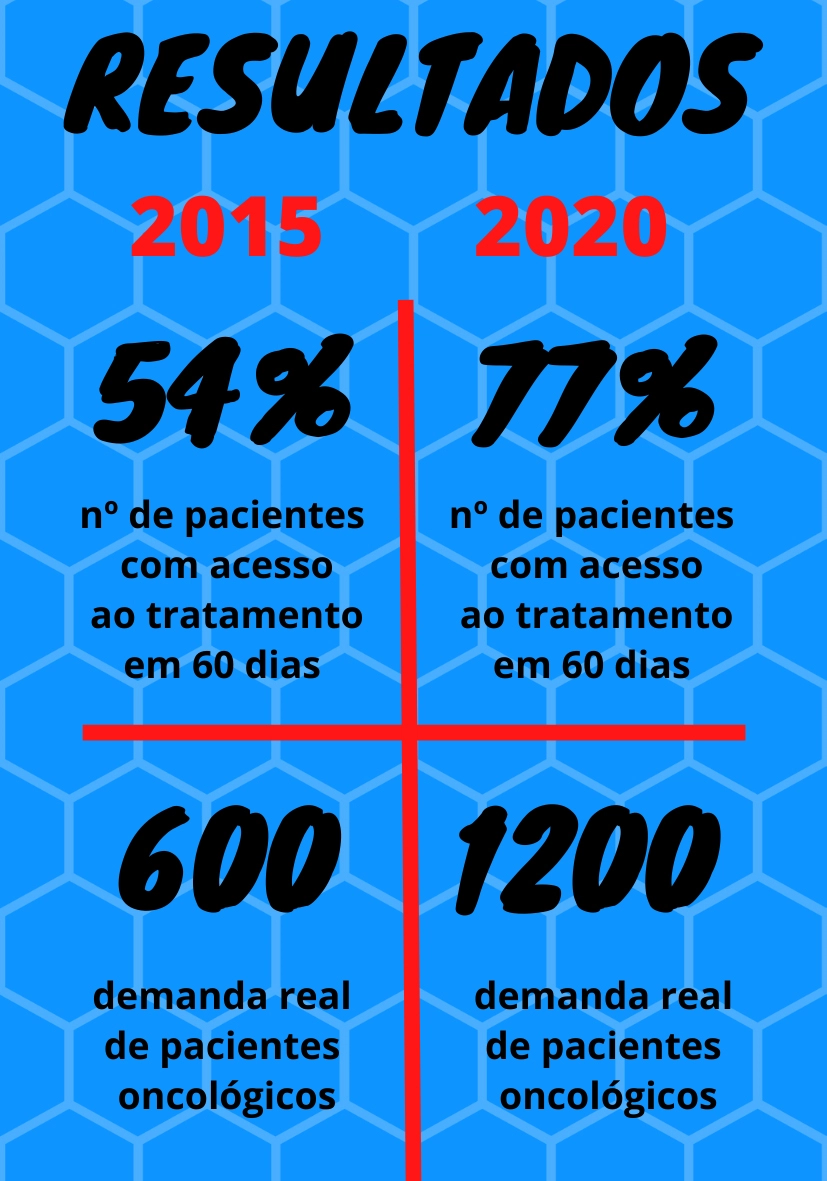
We are now in our fourth year of implementation, and it is great to see that all cancer patients in the city are being treated in a timely manner. In 2015, the share of patients with access to treatment within 60 days was 54%, while in 2020 it was 77%. Interestingly, over this time the number of cancer diagnoses doubled, as more patients accessed care and were seen. Our real demand is about 1,200 patients per year, which is still double what we thought in 2015.
We are proud of the results achieved despite the increase in demand. This project has saved the Health Department a lot of money (treating cancer in its early stages is considerably cheaper) and, more importantly, has saved countless lives here in São José dos Campos.







