

Flamengo: beyond passion, management was also decisive for the results
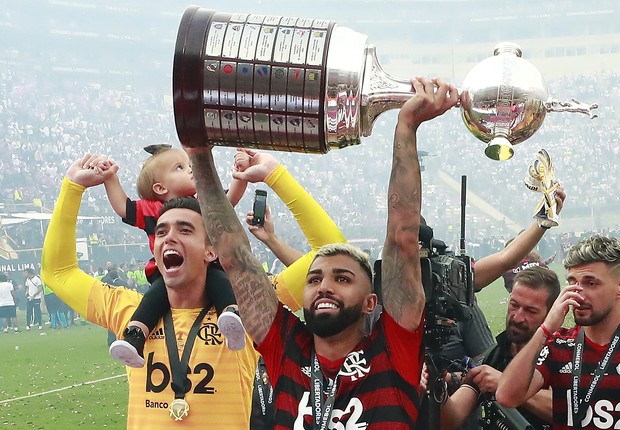 Flamengo: beyond passion, management was also decisive for the results (Photo: Daniel Apuy / Freelancer Getty Images)
Flamengo drove its millions of fans wild, and everyone else to a mixture of envy and admiration, by winning two major titles on the same weekend, in a spectacular campaign.
And there is much praise for the flashy, and also results-driven, football the team has been showing on the pitch. On the front pages of the newspapers, the undoubtedly fundamental role of the coach, the top scorer and the main players stands out.
However, it must be emphasized that there is one more factor that has also been decisive in enabling the team to deliver so many extraordinary results on the pitch: the work of management, which happens off the pitch. Little is said about a profound transformation in this area as well, the fruit of a long-term vision, which is not very common in Brazilian football, without which the team would not have achieved these exceptional results.
Flamengo, like so many other Brazilian teams, was completely mired in debt just a few years ago. Most club boards, totally amateur when it comes to management, pressured by fans and by the political factions within their clubs, usually take the short-term path, which seems easier to them. They make extravagant expenditures on poorly planned signings that end up not delivering results on the pitch. They enter a vicious circle and sink into ever-greater debt.
Flamengo's leadership, on the contrary, at least six years ago adopted good management practices and drew up a strategic plan that began with austerity, debt repayment and financial restructuring. During this period, without major investments, it of course endured a period without immediate sporting results.
But with various actions like this, it built a foundation, managing in the following years to make some investments and achieve stabilization. All of this finally culminated in the possibility of high investments in a coach and players, leading to this year's results, which leverage even greater gains and which, if well applied, will keep the team at high levels for many years.
With its house in order and a long-term plan, it applied another fundamental principle of management: it brought in the best people, in this case decisive players, for the right positions. And it changed the leadership, with an extremely demanding coach, focused on details, who goes onto the pitch with his team, manages to get the best out of each player and motivates everyone with a bold vision. A true example of the kind of leader every company is looking for. Many players, praised today, did not perform the same way before the arrival of coach Jorge Jesus. His conviction in “good processes” (attacking, well-played football) as a way to bring results has prompted a profound review of some outdated concepts that still predominate in Brazilian football.
We must recognize the superiority Flamengo shows on the pitch. However, we cannot forget that it is also the fruit of what happens off the field. Certainly, none of these important achievements would have been possible without a change in management behind them.
Football once again brings us lessons that apply in any “field” And forgive the pun, but I mean that every field of human activity can learn something from this example. Good management should focus on improving processes, with a medium- and long-term view. Short-term actions, trying to get results at any cost, without building a solid foundation, end up not being sustainable.
As a fan of another team, like millions of others, all we can do is hope that the leaders of our teams follow this example and apply the basic principles of good management. In the companies where each of us works, however, we are much more than spectators. At whatever level, act like a director, coach or player who knows that good results are the consequence of good processes.






