

São Paulo overpass illustrates a management rule: "forgotten" problems will one day be remembered
The way everyday problems are dealt with is one of the factors that generally set organizations with inefficient management models apart from the most efficient ones.
On one side are those companies that often “forget” they have problems. They allow problems to remain “invisible”, because they do not put into practice any kind of action or incentive to get people to identify, prioritize and solve problems. In fact, quite the opposite: they reinforce a culture of “sweeping the dirt under the rug”.
On the other side are those companies that have already realized this is not sustainable. That “hidden” problems will keep growing. And that a point will come when there is no longer any way to hide them. Then the losses will be much greater, and the ways to solve them even harder.
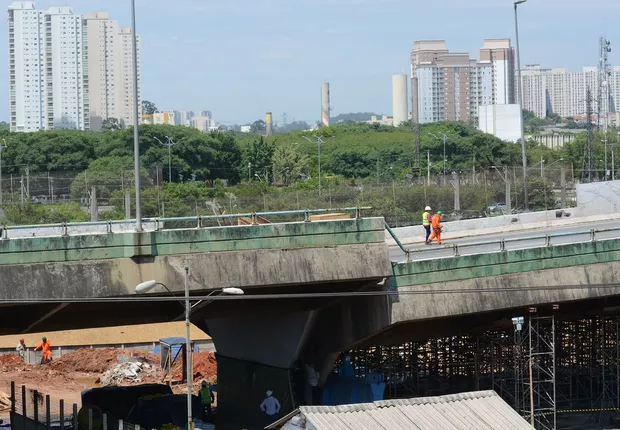
The overpass on the Marginal Pinheiros that recently gave way illustrates this kind of situation, which is quite common in both companies and public agencies. According to media reports, the overpass, which today affects the lives of millions of São Paulo residents, did not even have a name and went 40 years without maintenance.
The technical causes of the overpass's collapse are still being investigated, but the real causes lie in management and in the way serious problems that do not show up immediately end up being forgotten. Because they are not urgent, managers end up getting used to living with them, and they end up joining the enormous queue of so many other problems, resource limitations, etc.
As we know, everything in life needs maintenance and constant attention. São Paulo has had several problems with overpasses, and some actions were taken, but never anything definitive covering all these structures in an ongoing process of monitoring and care. This is an issue involving enormous risk for people passing over and under the overpass, and it should have top priority. In this case, fortunately, there were no fatalities.
This is an important management lesson. Problems that can have a high impact, but that do not show up immediately, end up being “forgotten”, remaining “hidden” without due priority. Now that the overpass has collapsed, signs of flawed management processes are coming to light, such as poorly defined responsibilities among the agencies from the various levels of government involved, slow bidding processes, deficiencies in the registration and documentation systems for overpasses, etc.
In lean management, an organization's daily routine should be focused on identifying, prioritizing and solving problems. That is the essence of efficient management. In it, problems are seen not as something bad that needs to be hidden or forgotten, but as something that must be faced and tackled every day, with deep changes in processes, making the organization more efficient and competitive every day.
It is a radically different view from the typical bureaucratic management we see in many companies, which allows problems to hide. They keep putting off dealing with failures, putting out fires here and there, without realizing that this kind of approach only makes things worse.
A problem never solves itself. It will always grow. It will then become more complex, more difficult and more expensive to fight. So it is necessary to see it and tackle it while it is still small. And to establish permanent processes of prevention, verification, maintenance and correction.
Of course, this reminds us of the large number of other public works in São Paulo that, like the overpass that just collapsed, are still forgotten at this moment, just waiting for the right moment to come to light.
The current mayor stated that his administration, which has been in office only a short time, cannot be blamed for problems that accumulated over the overpass's 40 years. Certainly, overpass maintenance problems have haunted several administrations, of the most diverse orientations, and all of them bear their share of responsibility. But in the lean management philosophy, the focus is not on looking for culprits, but on identifying the root causes, so that we can change the processes and keep the problems from happening again.
This case illustrates how complacency with problems that slowly pile up, and the lack of prioritization with very clear objectives (such as safety), is one of the root causes of this accident. This happens in many other cases, whether in public or private administration.
If you think there are problems in your company that are being “forgotten” or that people have “gotten used to living with”, be careful. Know that, without a doubt, one day they will surface with enormous consequences, reminding you dramatically that they exist.







