

Distinctly Brazilian historical causes explain the transport crisis
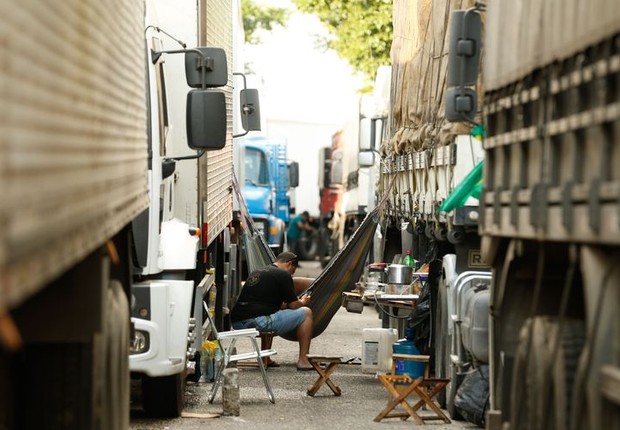
The recent crisis involving trucks, companies in transportation and various shortages showed Brazil a number of unresolved issues in our country.
Intense controversies have surrounded the decisions and events of recent weeks. Regardless of pointing fingers at who is right or wrong today in the current chaotic scenario we live in, it is important to look a little at the past and analyze the historical “root causes” that led us here. They are many and complex. Analyzing them can help us try to correct the structures of the present and thus change the course of the future, so that we do not fall into the same traps again.
The first obvious root cause is the historical dependence on road transportation that was created in Brazil. This was the result of decisions by government and business administrations that, for more than 50 years, prioritized investment in highways and motor vehicles. Other modes, such as rail and waterways, widely used for long-distance transportation in other countries, were relegated to the background.
As a consequence, today we have a continental country in which 61.1% of freight transportation goes by road, while 20.7% goes by rail, 13.6% by waterway (only 5% by river), 4.4% by pipeline and 0.4% by air, according to recent data from the National Transportation Confederation (CNT) and the federal government.
In other words, we are highly dependent on road transportation, powered by fossil fuel, which, as we know, is expensive and is subject every day to international fluctuations that are often uncontrollable, unpredictable and sudden.
Variations in the dollar and in the price of a barrel of oil directly affect the cost of everything that moves in the country and, as a result, the entire production chain and the country's economy. To deal with this perverse equation, we have alternated between true “Sophie's choices.” Hold back increases, leaving the bill to Petrobras? Automatically pass on all costs? Subsidize with public money? Advocates of each of these ideas would point out their pros, but the fact is that they all carry many cons. Trapped in the equation of the existing transportation model, we are unlikely to have a sustainable solution.
With this historical legacy as a backdrop, we faced a crisis that paralyzed the country, requiring immediate action to at least restore a momentary balance. In the discussion of this issue, other structural problems became evident, also reminding us that they are “skeletons in the closet” that have been waiting for decades to be dealt with.
Several demands focused on exemptions from taxes and fees: CIDE, PIS, COFINS, payroll tax relief, etc. Patches are made hastily under enormous pressure, while our anachronistic tax structure remains in place year after year.
But the blanket is short, and someone has to pay the bill. This discussion brought to light the issue of the public budget, which already shows an enormous deficit. It is a permanent discussion that goes far beyond the issues raised in this crisis. And it rarely involves confronting a historical root cause: the high cost and inefficiency of the public machine. One element missing from this equation would be the one used by many companies that, for example, adopt the lean system, making their processes more efficient and saving resources every day. But since Brazilian governments have historically never managed to cut their waste “to the bone,” giving “subsidies here,” as was decided, will end up requiring “charging there” (more taxes, etc.).
In management, instead of working on symptoms, as is so often done in Brazil, in both the public and private sectors, the most effective approach is to analyze the root causes of problems and thus attack them while they are still small, to solve them definitively, before the problems become big and uncontrollable.
We hope that both our government officials and our business leaders will think about this in their decisions and actions, not only in transportation, but in any other issues fundamental to the proper functioning of the country.







