


Related term
Andon
A visual management tool that shows the status of operations in an area at a single location and signals when something…
View termFive related terms, all beginning with the letter S, that describe workplace practices useful for visual management and lean production.


Five related terms, all beginning with the letter S, that describe workplace practices useful for visual management and lean production. The five Japanese terms are:
1. Seiri: Separate needed items from unneeded ones - tools, parts, materials, documents - and discard the latter.
2. Seiton: Arrange what remains, defining a place for everything and putting everything in its place.
3. Seiso: Cleaning.
4. Seiketsu: Standardization resulting from good performance in the first three Ss.
5. Shitsuke: Discipline to keep the first four Ss going.
The Five Ss are usually translated into Portuguese as Senso de Utilização, Senso de Organização, Senso de Limpeza, Senso de Padronização and Senso de Autodisciplina (sense of utilization, organization, cleanliness, standardization and self-discipline). Some lean thinking practitioners add a sixth S for safety, that is, establishing and practicing safe procedures on the shop floor and in the office.
However, Toyota usually refers to only Four Ss:
1. Sort (Seiri): sort through what is in the work area, separating and eliminating what is not needed.
2. Straighten (Seiton): arrange the needed items so they are clear and easy to use.
3. Scrub (Seiso): clean the work area, equipment and tools.
4. Stay "Spick and Span" (Seiketsu): overall order and cleanliness resulting from the disciplined practice of the first three Ss.
The last S, shitsuke (sustain), is dropped because it is redundant within the Toyota system of daily, weekly and monthly audits that check standardized work. Whether four, five or six Ss, the main point to remember is that the effort must be systematic, not an isolated program.
Related Article: "Lean in Materials Recycling at the Aliança Cooperative" - Author: Bruno Battaglia - Lean Institute Brasil. Read the full article here.
"Regarding the need to raise awareness of the importance of order and cleanliness in the workplace, the cooperative members received basic training on the five senses (5S). To support the implementation of the concepts presented in the training and to help organize the areas, a system of weekly evaluations was developed, in which the organization standards are audited based on reference photos, as in the examples of the bale inventory (Figure 2) and the scale area (Figure 3):
References for compliance with 5S
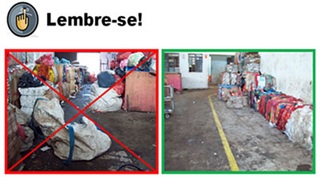
Figure 2: On the right, the organization standard for the bale inventory.
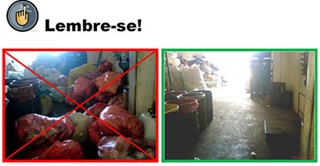
Figure 3: On the right, the organization standard for the scale area.
As a result of the improved flow and the overall organization of the shed, about 20m² of space was also gained, turning a materials storeroom (Image 4A) into the Cooperative's training and meeting room (Image 4B).
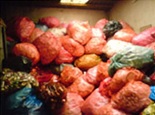
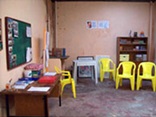
Image 4: A) Before - Materials storage. (B) After - Meeting room.
Explore related terms and go deeper with real-world analyses by our industry leads.
A visual management tool that shows the status of operations in an area at a single location and signals when something…
View term
See how this concept and management mindset were applied in practice to deliver real business results.
Read the full article
Build leadership and problem-solving skills at the gemba with support from our specialists.
See the training
