

Lean logistics and digital transformation
Advances in the use of technology in the customer shopping experience have brought significant gains to everyone, as shown in the figure below; however, there is a barrier to be broken: the delivery barrier, which is still a challenge for logistics today, since customers are demanding faster and more efficient deliveries so they can enjoy their purchase as soon as possible.
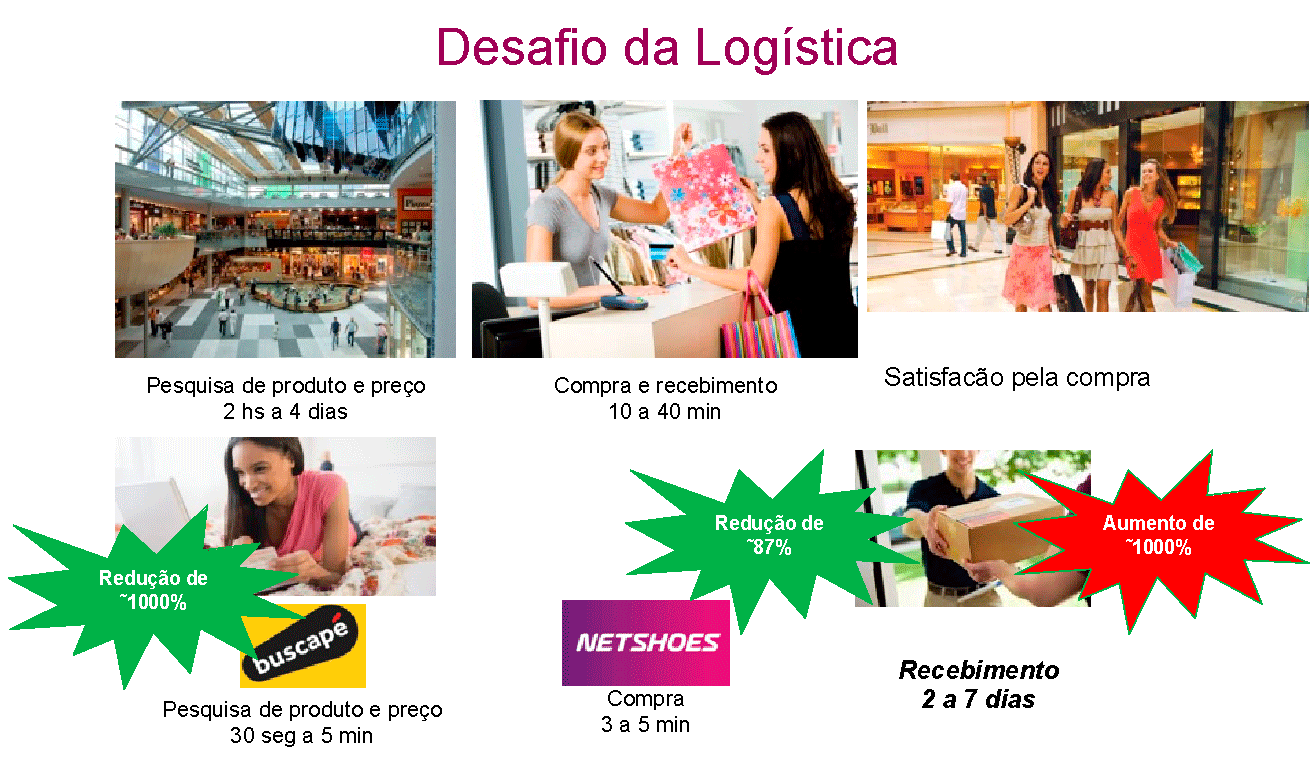
Figure 1: The logistics challenge
Digital Lean Logistics is a methodology that aims to add value for the end customer by eliminating waste with lean continuous improvement techniques and digital techniques, which should be used at the right time in order to optimize processes that are already improved and stable, making it possible to create innovation and achieve superior performance.
Conceptual introduction – What is Lean Logistics?
The lean concept originated at Toyota and was revealed to the world in the 1990s with the book “The Machine That Changed the World,” which, based on MIT research, identified the company as one of the most profitable in the world in times of oil crisis. From then on, many companies applied the five lean principles:
- Identifying value, from the customer's point of view.
- Defining and mapping the Value Stream.
- Creating continuous flow.
- Implementing Pull Production based on customer demand.
- The pursuit of Perfection, with the main focus on production, bringing impactful results.
Over time, these companies realized that improving only production was not enough to improve the business. From then on, these concepts evolved and were applied to logistics, creating what we call lean logistics, which has the following definition: delivering or receiving a product in the right quantity, at the right time, in the right place, with the right quality and in the right packaging, without waste.
The main objective of this concept is to eliminate waste in logistics, which can be identified as:
- Excess inventory – excess material in the warehouse.
- Waiting – trucks waiting to be loaded and people waiting for material or information.
- Human motion – excessive walking during picking or storage.
- Transportation – non-optimized supply routes and forklifts making unnecessary movements.
- Defects – material damaged by handling or transportation.
- Overproduction – picking more than needed or earlier than needed.
- Unnecessary processing – packing and unpacking products and relocating them in the warehouse.
- Unused human creativity – not listening to operators' opinions and ideas.
To eliminate this waste, we must use lean concepts adapted to the reality of logistics. First, define what is value for the Logistics customer, who may be an external or internal customer. This can be done through direct customer surveys or through indicators of delivery at the right time and in the right quantity, OTIF (On Time in Full).
Second, we must map the Logistics Value Stream, from product manufacturing, receipt at the DC, storage and picking to delivery to the customer. At this point, it is important to map both the information flow and the material flow. Often, the greatest waste of time lies in the information flow rather than in the material flow; there are cases in which the information for an order can take up to two days from the moment the customer places it until it reaches the logistics operation, which creates overload and delivery delays.
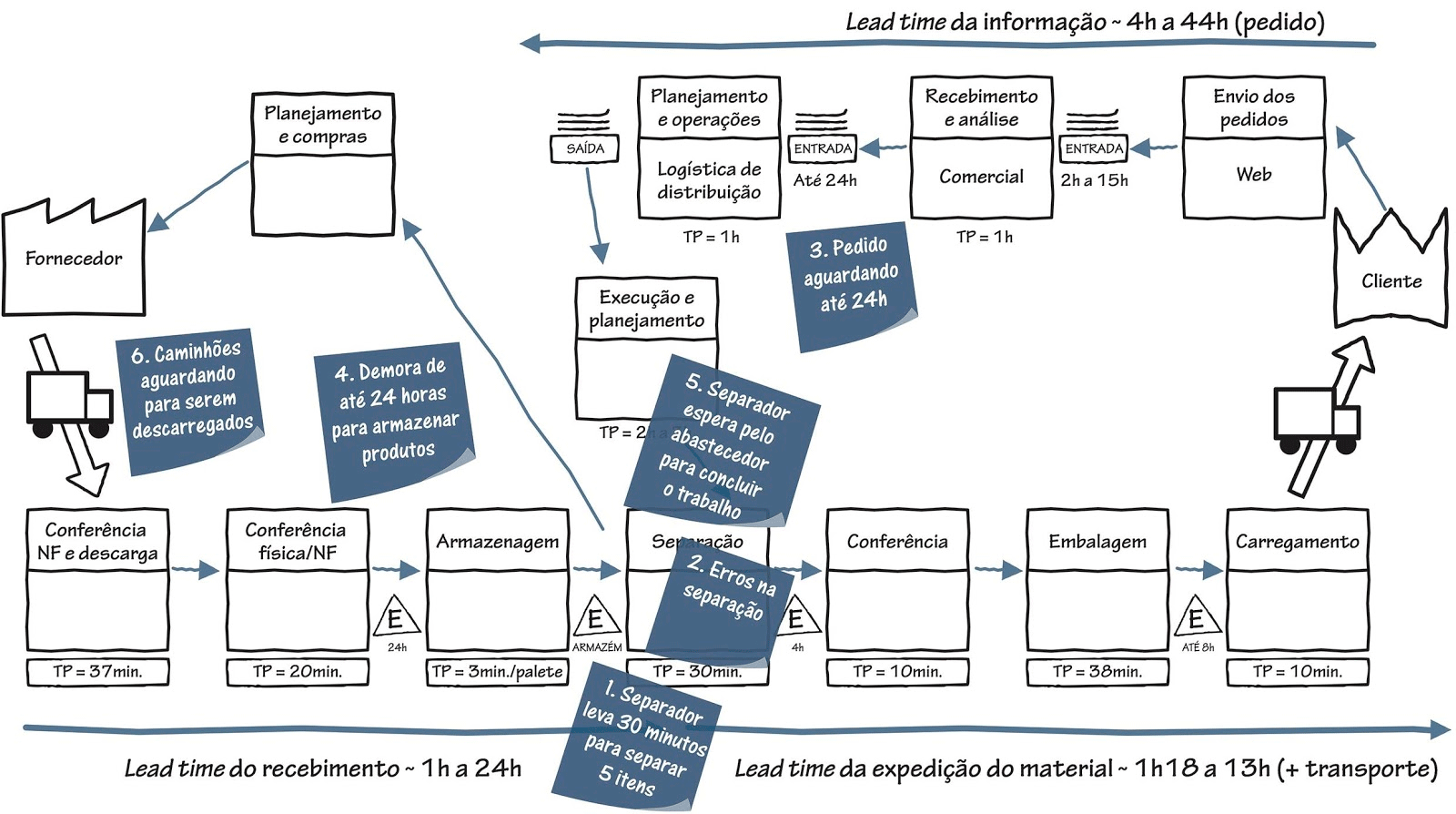
Figure 2: Example of a logistics value stream map
After identifying waste with the logistics value stream map, the concept of continuous flow should be applied, which means make one, move one. This concept is the opposite of working in batches, which is very common in logistics. An example of application in logistics would be the process of unloading, checking and storing pallets. This concept can also be applied to the administrative flow of information, where, upon receiving an order, the person processes it right away and sends it to the next step, instead of waiting for a certain number of orders to accumulate before processing them.
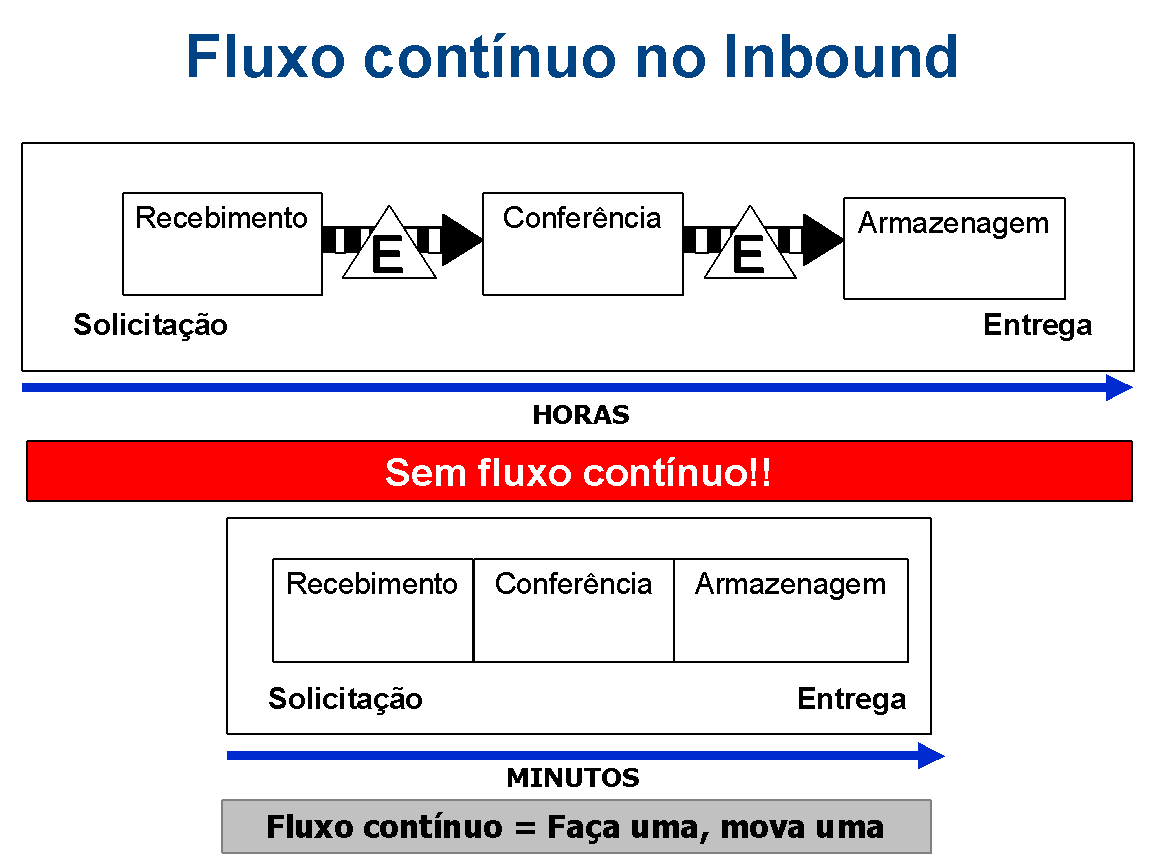
Figure 2: Example of Continuous Flow
Reducing inventory while maintaining service levels is one of the great challenges for companies, and to make this possible we apply the concept of a pull system, also known as kanban, which signals the need to purchase replenishment of a given product as soon as the customer consumes a certain quantity. To achieve this goal, physical cards or electronic systems can be used to signal the need (we will discuss this later under digital transformation).
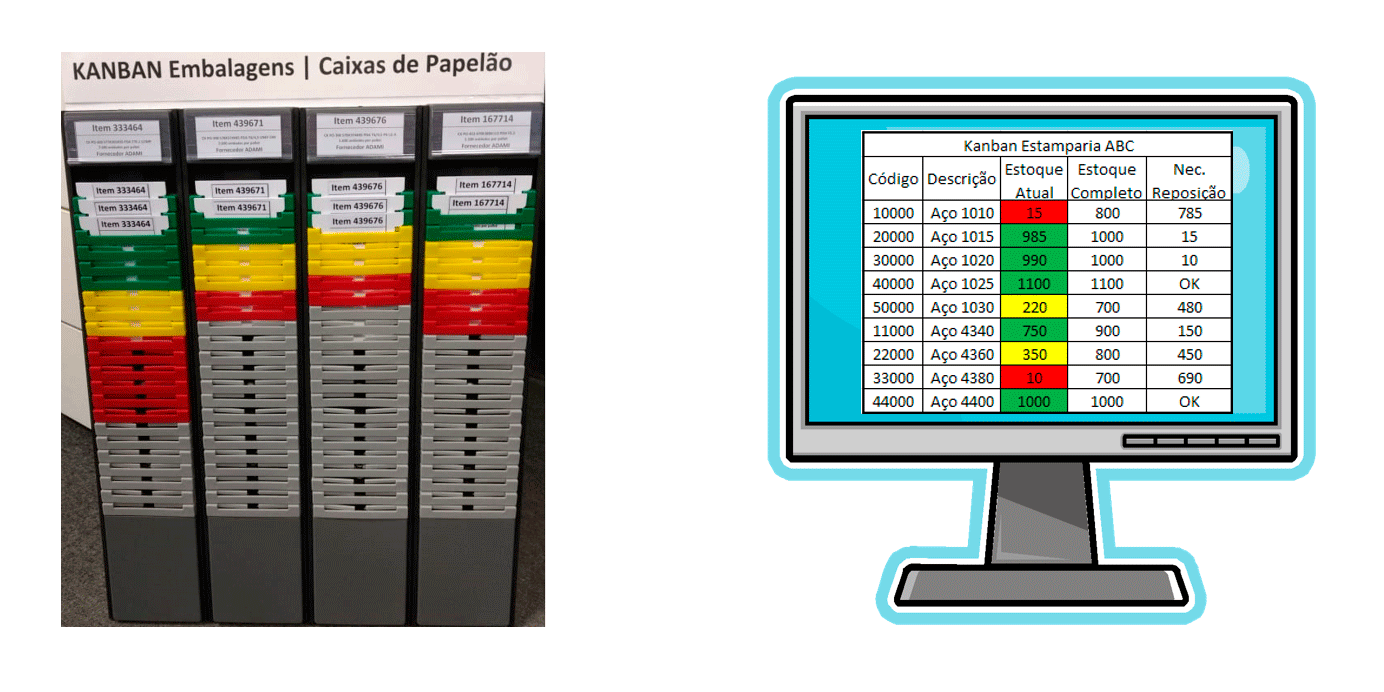
Figure 3: Example of physical and electronic kanban
The pursuit of perfection is synonymous with applying kaizen to logistics processes. Kaizen requires forming work teams that should apply problem-solving methodologies continuously in the search for point and process improvements, involving operators to encourage their participation and learning. Concepts such as 5S, standardized work, daily management, the A3 process, among others, should also be applied.
Now that we have explained conceptually what lean logistics is, let's explore what a digital transformation is.
What is Digital Transformation?
Traditionally, Information Technology served companies as a problem solver disconnected from the business. Departments used IT when they needed to put out fires, and did not use all the technological potential it had. Recently, this trend has been changing, with Digital departments, dedicated to making the most of technologies, becoming increasingly integrated and united with the other areas of the company, bringing digital transformation with them.
Digital transformation can be conceptualized as the use of the best available technologies to increase the efficiency and effectiveness of companies. However, for this to happen, they need to be used to effectively add value for the customer, and not just to digitize operations for the sake of digitizing.
Any process and any product can be digitized. The question to ask is whether they need to be digitized at a given moment or whether other actions are needed to prepare the ground for digitization. This is the only way to ensure that digital transformation is well thought out and improves the company's results. Otherwise, we will have increasingly “technological” companies that generate fewer and fewer results.
In fact, digital transformation has the potential to revolutionize companies, but its impacts will not be positive unless all the effort devoted through technologies is focused primarily on increasing the value to be added for the customer. That is what this phenomenon seeks to ensure in order to move toward a more technologically efficient and sustainable future.
Digital Lean Logistics
As you can see from the definitions above, both concepts aim to add value for the customer and eliminate waste. Digital Lean Logistics is the integration of the two concepts in order to further improve companies' results. As a definition of Digital Lean Logistics, we have “delivering material to the customer in the right place, at the right time and in the right quantity, optimizing resources and eliminating waste with digital tools and lean concepts.”
For this to happen, we recommend that the lean logistics concepts mentioned above be applied before any digital intervention, to avoid digitizing waste. For example, in one case there was a huge line of trucks waiting to be loaded at a fuel terminal. As a digital initiative, the IT team wanted to create an app to control and manage the truck line, in other words, to digitize the waste.
Instead, what we did was draw the value stream map, and we discovered that the line occurred because of the traditional way the terminal operated: first come, first loaded. From there, we applied the concept of continuous flow, identifying the time it took to load each truck and creating a rhythm through a schedule with strict times for loading each truck. In this way, we eliminated the line, because the trucks came to the terminal at the set time. And, to move forward toward digitization, we created a scheduling system connected to the truck driver's cell phone, which allowed more efficient and optimized communication. As a result, truck waiting time fell from 4 hours to just 15 minutes.
One of the main points of digital lean logistics is identifying what adds value for the customer. In this case, the use of digital technologies connects what the customer wants with logistics operations in real time, making it possible to take action faster than in the traditional way, since customer feedback is immediate after the logistics service. There is software that allows customers to give immediate feedback without having to wait for a satisfaction survey a few days later, when the customer no longer even remembers what happened during the delivery. A chocolate company that serves retail stores has an app that allows customers to give immediate feedback when they receive the goods, and they can even send photos of the material they are receiving and record receipt directly in the app, without the need for a delivery receipt stub.
In a Distribution Center, we are increasingly working so that picking, checking and shipping take place in continuous flow from the moment the truck arrives, thereby eliminating waiting between processes. To make this possible, we have to synchronize the process steps and, in digital lean logistics, we have to speed up checking. For this, we can use precision visual inspection systems with intelligent software that performs image-based inspection, such as those developed by 4Vants, one of the startups that took part in the Lean Logistics Seminar. In its presentation, it showed software that replaces human inspection, using an integrated camera system that can identify differences the human eye cannot perceive. In this way, it is possible to carry out checks and even inventories faster and more efficiently, including using drones in warehouses.
Continuous flow should also be used in administrative activities, which are part of the company's logistics process. After mapping these processes, we usually identify waiting everywhere, and, to eliminate this waiting, temporary cells can be created, where people work together to carry out a process continuously, as, for example, in the credit analysis process (for credit not approved by the automatic system) and invoicing. In these cases, artificial intelligence can be used to make decisions faster and without human intervention. There is already software that can support this digital transformation in administrative processes; at the Digital Lean Logistics seminar, the startup Fhinck presented software installed on personal computers that can identify the time spent on each activity being performed and analyze it through artificial intelligence, proposing the automation of some day-to-day tasks.
The pull system is a concept that can and should be used digitally, especially by companies that have many finished-goods or raw-material items. In Digital Lean Logistics, the use of electronic kanban is essential for agility and to avoid process failures due to a missing kanban card or a logistics operator's forgetfulness. In this case, the system's logic must be aligned with the logic of kanban: “the supplying process only produces if the customer process consumes.” This logic is very different from that of MRP, which relies on forecasts to determine purchases. Today there are already several electronic kanban systems on the market that can support the lean transformation in logistics.
The pursuit of perfection is a concept that enables the application of innovative solutions, which can be gradual, with kaizens, as happened with the telephone (see figure), or disruptive, known in lean as kaikaku, which are radical forms of improvement, such as using robots to pick items or drone deliveries to the end customer. In Digital Lean Logistics, this pursuit of improvement is constant and always carried out systematically by encouraging employees to generate new improvement ideas every day, evolving in line with the technological possibilities that evolve every day.
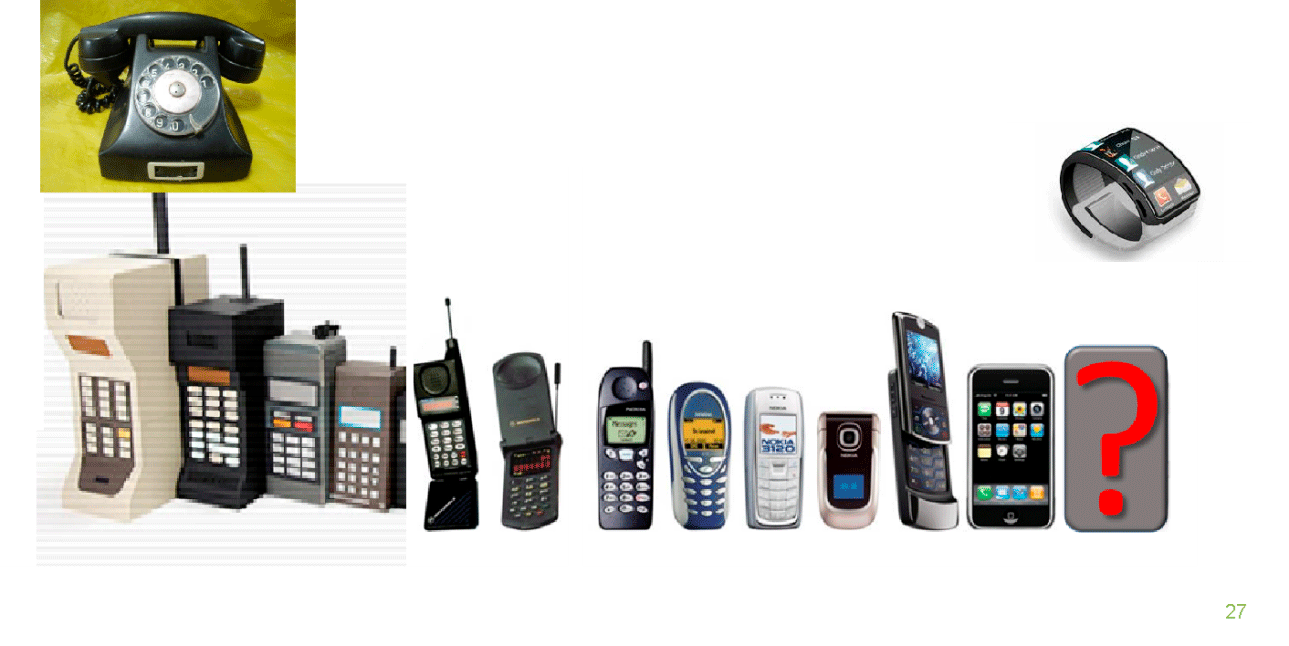
Figure 4: Example of continuous improvement – evolution of the telephone
How do you start applying Digital Lean Logistics?
To start your digital transformation in logistics, we recommend that you reflect on the following points in order to succeed:
- Define a purpose: What do you want to improve? How is this connected to the business strategy?
- Identify what adds value for your customer: What does the customer expect from us? How can we identify this and translate it into our operation? Is there any digital means we can use to find out what is value directly from the customer, immediately?
- Map the value streams from customer order to delivery: Which processes affect these customer values? How can we identify waste? Use Value Stream Mapping as a means to see waste; digital means can be used to obtain the times of each activity, but without failing to go and see in the gemba; nothing replaces human perception of problems. Talk to the people who perform the activity to get the best feedback.
- Implement continuous flow – How can we make materials flow through the processes? Can we move them in small batches or pallet by pallet? Time the operations and synchronize them to enable continuous flow: make one, move one. The same concept should be established in administrative processes; check whether it is possible to create temporary or permanent flow work cells; check whether there is a need to apply some technological resource, such as meetings via Skype or Hangout.
- Pursue perfection – How can we improve continuously? How can we see new opportunities? At this point it is important to create a systematic approach for carrying out a new round of mapping to look for new opportunities, including applying technologies, as long as a minimum level of stability has already been achieved so as not to run the risk of digitizing waste.
Example of digital transformation in Logistics
During the Digital Lean Logistics Seminar, held in April, Patrus, a road transportation company, presented its digital Lean transformation, which began with mapping its logistics flows in 2016, when they identified the waste of waiting, human motion (through the spaghetti diagram), rework and reprocessing. They implemented 5S throughout the operation, trained more than 1000 people in lean techniques and carried out kaizen processes the following year.
In 2018, they identified that the process was already stabilized and standardized, which made it possible to move forward in applying new technological resources to achieve more significant results. Among these technologies is the barcode reading system, which works through a cell phone app with automatic recognition of the customer's barcode, without the need for selection by the operator. With this technology it was possible to apply the concept of poka yoke (error-proofing system), where the app can identify whether or not the package read by QRCode belongs to the selected route, giving an audible warning if it finds a box headed to the wrong destination.
Another technology that was implemented is the online recording of damaged product incidents, where the operator, on noticing the damaged product, takes a photo and records the incident on the spot directly for the customer, resulting in a 95% reduction in incident recording time.
They implemented daily management in operations, initially on a whiteboard with manual notes of the area's performance. As they matured, they created a digital board, similar to the flight tracking board at an airport, where the operation can see online where the loads are in the process, including whether they are behind or ahead of schedule. This change brought more agility in obtaining information, but did not eliminate the need for the meeting to discuss daily problems.
5S audits are carried out by management in the operation, and abnormalities are documented through photos. In addition, the action plan is drawn up electronically, directly on the tablet, generating demand for the people responsible, without the need to type e-mails.
Patrus is an example of Digital Lean Logistics that integrated Lean and the company's digital transformation toward excellence in customer service, first using lean to redesign its processes and eliminate waste through people and then technological resources to eliminate even more waste in the quest to deliver value to the customer.
Transform your logistics operation with the lean consulting approach. Talk to people who understand flow, value and continuous improvement. Schedule a conversation with our specialists.
Final considerations
Digital Lean Logistics brings together lean techniques and digital technologies so that the company can deliver more value to its end customer, eliminating waste and creating more agility in companies' logistics processes and in logistics companies. The lean transformation allows processes to be improved based on employees' ideas, with low-cost and highly efficient methodologies such as continuous flow, standardized work, visual management, daily management, among others. As Taichi Ohno used to say, “use your head before using your money.” The technologies available today, in people's daily lives, allow innovations to be created and developed more quickly and at an affordable cost, generating customer experiences never before imagined; start your lean transformation process in logistics.
Discover how digital lean consulting can transform your company. We combine technology, agility and innovation to eliminate waste, optimize processes and offer memorable experiences to customers. Visit and see!
References:
CARDOSO, A. Logística Lean em Centros de Distribuição, São Paulo: Lean Institute Brasil, 2017.







