

Transforming automotive services: the tire case
Garra Pneus is a tire dealer that also provides wheel alignment, balancing and wheel straightening services. Founded in 1994, the company started out reselling MULTI-BRAND truck tires from a store at Ceasa in Contagem – MG. In 1997, it opened its 1st branch in the city of Betim – MG, focused on tires for cars, pickups and vans, in addition to automotive services. In 2007, it entered into a partnership with the manufacturer Continental Pneus and became an exclusive dealer of the brand and, in 2013, it opened its seventh store, following its growth strategy.
In 2015, realizing the need for growth and expansion, Garra understood that it had to invest in improving its management and processes in order to improve the use of its material resources, movement and people management, eliminate waste in general and seek to increase customer satisfaction. So it decided to begin its lean journey by training its owner.
THE CHALLENGE OF KEEPING CUSTOMERS LOYAL
Garra realized it was losing business and customers. Many people gave up on having the service done because they had to wait a long time for tire changes, alignment and balancing when the store was busy.
Today's hectic world pressures everyone to make better use of their personal time. As a result, many customers do not want to wait for a service to be done on their cars.
In addition, there are days of the week when there is a shortage of customers and, consequently, of work for the professionals to do, such as Mondays, when customers could be served in a short time, just as there are days when the mechanics cannot keep up with all the demand, particularly on Saturdays, generating long waits and customer dissatisfaction.
The company definitely needed to understand what was happening and do something about it.
With that in mind, it decided to take a deep dive into the operation of one of its service stores as a pilot, in order to focus its improvement efforts.
Figure 1 below represents the service workflow at this store, with emphasis on the times allocated to carrying out the various stages and activities.
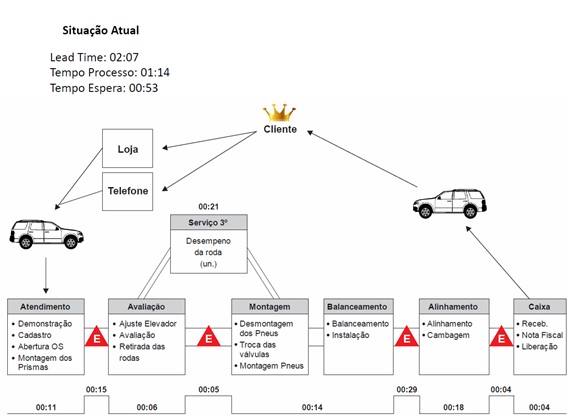
The company then decided to seek a reduction in lead time and in waiting time between the process stages. And so it set the following goals:
1. Reduce lead time from 2h07 to 1h.
2. Reduce the time to perform the alignment from 18 minutes to 11 minutes.
3. Reduce the waiting time between process stages to zero.
LOOKING FOR THE CAUSES OF THE WAITS AND THE SLOW BALANCING
Through more detailed and thorough observation at the places where the services were performed, the company realized there were many opportunities for improvement.
Between balancing and alignment, precisely where the longest waiting time occurred (% of total waiting time), there was a great deal of vehicle movement, largely due to the existing layout, which made it difficult to maneuver vehicles inside the store.
The original layout can be seen in figure 2, which shows the difficulties and the excessive maneuvers the mechanics were forced to make, which were not part of the value-adding work for customers.
The layout also did not arrange materials and equipment so that they were closer to the people doing the work. The printer, for example.
Wheel straightening was slow, because the service was done by an outsourced company, which required transportation.
Another problem noted was the lack of pneumatic impact wrenches for all the mechanics, which caused waiting while the work was being done.
In addition, each mechanic did the work in his own way, generating significant differences in execution times
NEW SERVICE FLOW TO REDUCE WAITS AND TOTAL EXECUTION TIME
To reach the ambitious goals, a new workflow was defined, from the vehicle's arrival to its departure with the service completed, with an expected total time of 1h, as can be seen in the figure below.
See what the proposed flow looked like:
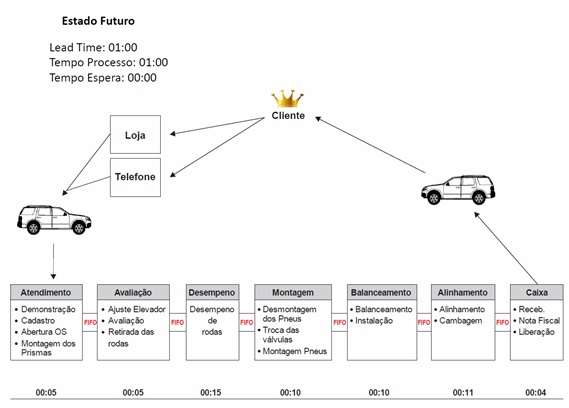
Figure 2: New service flow at Garra Pneus – pilot store.
In this new service flow, lead time would go from 02h07 to 1h, and process time would become the same as lead time, that is, all waiting time would be eliminated.
IMPLEMENTING THE NEW SERVICE FLOW
To successfully implement the proposed flow, the company needed to communicate with, engage and train employees in the new practices and methods.
In this process, little by little, employees began helping to point out problems and propose improvements.
In this way, it was possible to define the mechanics' standardized work, and some investments were made, such as the purchase of a wheel-straightening machine to reduce waiting time, since straightening had been outsourced.
Together with the new layout, some markings painted on the store floor made organization easier, as everyone arriving at or leaving the store now knows exactly where to go, where to park, which areas are off-limits, etc. (see figure 4).
Ending the outsourcing of wheel-straightening services resulted in greater speed and quality in providing this service. In addition, employees learned to perform a new service, gaining qualifications during their working hours.
Standardized work helped all employees know what to do when various situations arise in the store.
Standardized work helped all employees know what to do when various situations arise in the store.
Garra focused on improving customer satisfaction, seeking to do so by reducing service execution time and thereby reducing customers' waiting time.
The changes made brought the expected results in terms of reducing the total time from 2 hours to just 1 hour, as designed in the future flow.
But beyond that, the company realized that the new service flow had other consequences, such as freeing up surplus equipment, as in the case of the lifts, which were used as support for removing the wheels: in the new layout only two would be needed, freeing the rest to be used in new stores, in line with the 2016 expansion plan.
With the new configuration, the equipment investment for a new store was reduced by R$ 76,000, not to mention that the lifts removed from the store (4) can be used in 2 new stores.
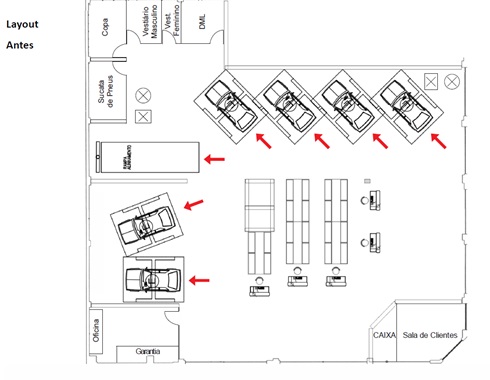
Figure 3: Layout before the lean implementation.
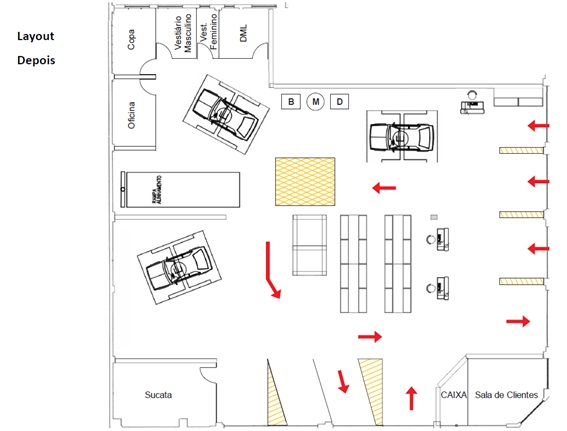
Figure 4: Layout after the lean implementation.
The changes made allowed the pilot store to grow both its service volume and its revenue, as shown in figure 5
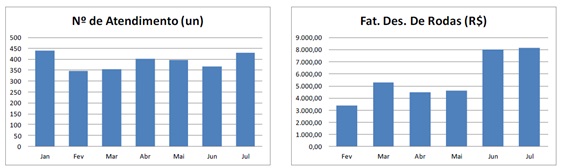
Figure 5: Business growth at the pilot store
These were the most significant changes since the company was founded. To achieve them, the engagement of its employees was essential to improving these processes and rethinking an entire traditional system of service delivery that had been in place for a long time and had never been updated.
Today its employees feel they are part of the organizational change that took place at Garra, feel responsible for improving their services and processes, and understand that improving the company's processes and results means improving their own work and their quality and professional growth.
This whole experience with the pilot store served as inspiration for many future improvements, including the expansion of these practices to the other 6 existing stores.
And, for the new stores that will open next year, the company is already thinking about starting out lean.
PS: For doing excellent work and for this improvement in its quality and customer service, Garra Pneus won the "Inovação 2015" (Innovation 2015) award from its supplier, Continental Pneus.







