

Boosting cost and schedule results in construction through lean and BIM synergy
Combining the lean management philosophy with the BIM methodology – Building Information Modeling – makes it possible to identify waste and clashes on the job site in advance by visualizing and simulating construction. When these two concepts mesh well, they allow processes to be clearly integrated and teams to truly contribute to a superior result. More than a mere claim, the people who have already dared to try this alliance have been able to see and prove its gains, especially regarding increased productivity and reduced costs.
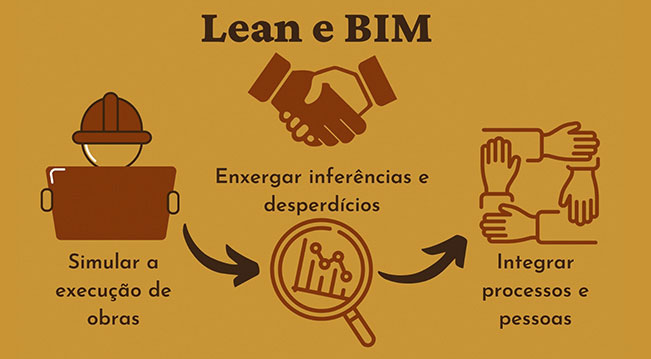
For a little over 10 years, both lean and BIM have been growing in the construction sector. However, few have yet realized that the two combined deliver much greater results than when used separately. But how can we efficiently combine lean and BIM? The possibilities are countless, and they can be applied at every stage of a project. Let's look at five possible applications:
1) Design development. BIM has revolutionized this process, linking information to objects, enabling clash detection, facilitating collaboration among designers, etc. The lean philosophy has a specific approach to design that applies fully to construction and is inspired by product and industrial process development practices. It brings elements such as LPPD (Lean Project and Process Development), LeanIPD (Integrated Project Delivery), Target Cost/Target Value Design, concurrent engineering, small-batch interactions between disciplines, management through an obeya (war room), rapid prototyping, among others. All of this is made much easier with BIM, which allows simulations of thermal and acoustic comfort, conflict checking, clash detection, construction simulations and, above all, cost simulations, which leads to faster designs and projects, of better quality and with lower implementation and operating costs.
2) Construction planning. It changes completely with lean management when it uses a logic of continuous flow and pull systems. Scheduling and control take place through weekly and daily routines, with quick adjustments at the source of deviations and problems, ensuring greater adherence to the plan. The possibilities BIM offers to enhance this process are countless, such as: 4D simulation, visualization of progress in 3D, use of the model to supplement information for Daily Management, recording of completed work by mobile devices and drones connected to the project model, etc.
3) Production. This is at the heart of the lean system and raises process productivity. It happens through detailed observation of the work at the gemba (where things happen). Applying this analysis using BIM enables advance studies and simulations. This anticipates movements and interference between workers and equipment and identifies the best ways to execute the work, with less effort and greater safety and ergonomics. The project model connected to standardized work makes communication with operators easier, and workforce training becomes much more effective when virtual and augmented reality are used.
4) Purchasing and logistics processes. These can also be completely transformed by using the lean logic of pulled kits and just-in-time deliveries, made easier by the use of precise quantity, cost and time information associated with each element in the BIM model. Simulations of layouts, inventories and movements can optimize the flow of materials, eliminating waiting and waste.
5) Cultural transformation. Lean goes far beyond operational changes, being regarded as a driver of strategic transformation in companies. This materializes through a deep cultural change pulled by the behaviors of a leadership focused on developing partnerships across the entire supply chain. For example, in collaborative processes such as IPD (Integrated Project Delivery) and through the day-to-day development of teams as problem solvers. The transparency and availability of reliable, shared and up-to-date information, provided by BIM, are decisive factors for this to happen.
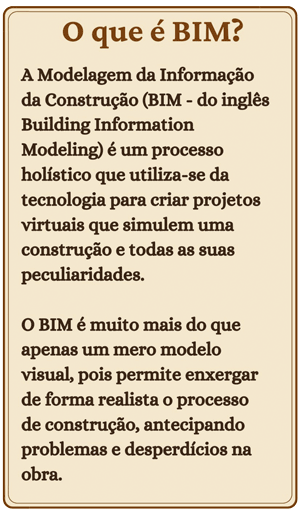
These are just a few examples. As the efficient combination of lean and BIM grows, new integration possibilities emerge to improve processes, solve problems in practice and deliver better results.
Construction is going through a time of clear need for a leap in productivity and efficiency in the face of greater customer demands and rising input costs. By thinking lean, companies in the sector have a great opportunity to rethink traditional models, be agile and use technology properly. Public and private clients are also already seeing the potential gains and are beginning to incorporate requirements related to both lean and BIM into contractual requirements.
Although the use of lean and BIM has been growing in the sector, this is still a time of learning. Don't miss the opportunity to explore as soon as possible the enormous synergies that the joint application of these concepts can bring to the competitiveness of companies and projects.







