What Is Kata?
The research that led to the book “Toyota Kata” sought to understand Toyota’s management methods. The word kata perfectly describes the routines we found being practiced at Toyota: the improvement kata and the coaching kata.
Kata are teaching routines used to preserve and pass on know-how. The suffix kata (in this case a different character from the one used in martial arts) means “way of doing”. It refers to a form or pattern that can be practiced to develop particular skills and mindset.
Through physical practice, the pattern of a kata becomes second nature – done with little conscious attention – and readily available. Examples: riding a bicycle, driving a car, typing. People who have learned to drive don’t think much about using the car’s controls. They can focus on the route they need to take.
Deliberate Practice
Kata is usually practiced in parts until the whole sequence is learned. For the improvement kata, there are four main parts, each with further elements:
- Understand the direction;
- Grasp the current condition;
- Establish the next target condition;
- PDCA toward the target condition.
Kata is practiced under the guidance of an experienced coach/mentor. Develop the improvement kata skill by practicing every day and listening for input from your coach. Once you master the improvement kata, you can coach others.
If you absorb the scientific principles behind the improvement kata, you will be able to apply them in the pursuit of many goals.
How Toyota Uses Kata
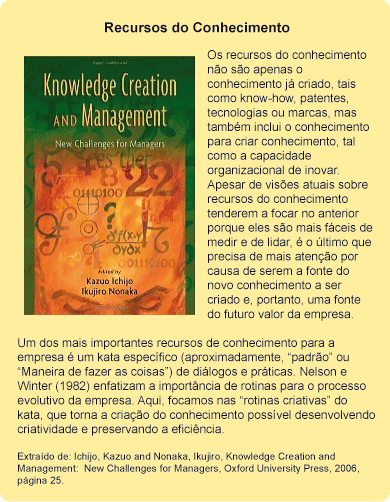
In their book “Knowledge Creation and Management”, Kazuo and Ikujiro Nonaka present kata as a way of generating knowledge, or learning to learn. This is how Toyota uses the improvement kata.
As you become skilled, you can drop the formal kata
A kata is a teaching tool. While beginners stay close to what the kata prescribes, proficient people who have internalized its patterns can refine their own interpretations, and the kata almost disappears. It is the resulting capability and habits that are ultimately decisive, not the kata.
“The fish trap exists because of the fish. Once you’ve caught the fish, you can forget the trap. The rabbit snare exists because of the rabbit. Once you’ve caught the rabbit, you can forget the snare. Words exist because of meaning. Once you know the meaning, you can forget the words.”
Chuang Tzu
A Zen master described the progression of skill to me this way:
| Beginner’s mind focus: 90% Kata, 10% Situational. Proficient mind focus: 90% Situational, 10% Kata. |
Note that the kata does not disappear completely. Like athletes, even advanced students (including senior leaders) keep practicing the kata they learned, under the guidance of a mentor. It is like keeping a tool sharp.
The endless need for improvement and evolution gives us the opportunity to keep sharpening our skills. The elegant play of the improvement kata is that while you are practicing you are working on something real, always to improve the current level of your skills.