

Steel and aluminum tariffs are typical “anti-management” protectionism
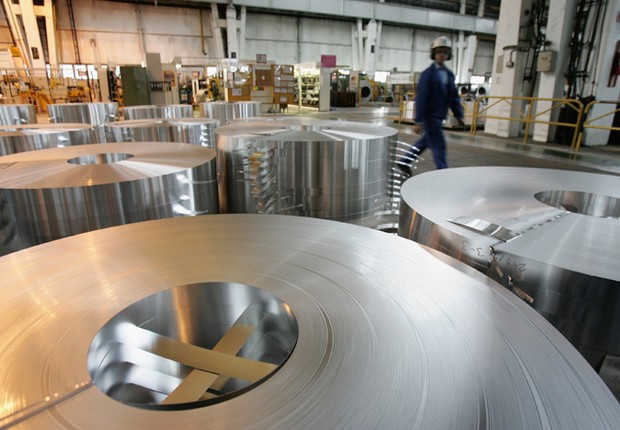
It is nothing short of a paradox to note that the US – the world's largest economy, a symbol of cutting-edge technologies, competitiveness and innovation – showed last week a face so contrary to efficient management.
Among the various negative impacts on the world economy and on the country itself, the imposition of a surcharge on steel and aluminum imports into the US, officially announced last week by its president, Donald Trump, brings yet another clearly bad component: a brutal disincentive to good management.
This act, heavily criticized around the world, also carries a message, perhaps implicit, subliminal, but real, saying that instead of encouraging and working so that, for example, American steelmakers have better management and are more efficient, competent and competitive, it is “easier” to impose, by force of law, a restriction on the entry of competing products.
In this context, the incentive for local steelmakers to improve their management models becomes lukewarm or even cold. Why spend effort, time and energy developing new products and processes and eliminating or improving bad production processes, full of waste, which make products worse and more expensive, if there are barriers protecting them?
In the history of the world economy, there are many examples in which government protectionism ended up creating or reinforcing “islands” of inefficiency, backwardness and technological lag. Even in Brazil we have had, and still have, several examples in this area. For decades, Brazilian protectionism in certain areas – for example, in the automotive and computer industries – generated enormous technological and management gaps, harming the quality and competitiveness of our products and companies.
On the other side of the coin, there are also many examples of companies in the US, in Brazil and in various other parts of the world that improved their management models, eliminating millions of dollars in waste costs, generating greater added value in what they offer customers and becoming more competitive in a globalized market.
In companies that adopt the lean system, we see hundreds or even thousands of cases like this. Examples of organizations that manage to beat the competition because they have become better, internally and on a daily basis, regardless of laws or other protectionist contexts, whether legal, political, economic or social.
This recent protectionism by the US government is nothing short of a paradox, because there is a strong historical trajectory in the US related to management, generating theoretical and business references that have spread around the world.
In addition to the negative consequences already widely discussed, such as the possible triggering of a trade war, perhaps the most serious damage this measure brings is to the United States itself. It is the illusory message that remains: it is not necessary to strive to be efficient or to innovate. We can make up for a gap by means other than good management.
Moves like this may even bring the feeling of some momentary result, but in the long run they end up exacting a very high price, which is the lag and slackness of management mechanisms and of technological and organizational evolution. The only sustainable form of progress – for groups of workers, companies, sectors or countries – is to add value to their products, better and better. This, fortunately, no one has yet managed to revoke with simple decrees.







