

Five “lean concepts” to optimize a shared services center (SSC)
The lean system has been a source of much inspiration and many results for the evolution of the processes and management systems of Shared Services Centers (SSCs) in Brazil and around the world.
Originating in the Toyota model, the lean system is a management philosophy that aims to identify and reinforce the activities that add value for customers (what they are actually willing to pay for) and to eliminate waste (what they are not willing to pay for).
In this context, the lean model has already been widely tested in the market, with proven results in the industrial environments of the organizations that created their SSCs. In these sectors, the lean mindset emerged and evolved, supported by the need to systematically eliminate the waste also present in administrative and support operations.
Just to give you an idea, applying lean thinking in SSCs has already brought great benefits to organizations. In some cases, productivity gains of up to 40%, lead time reductions of 60%, 15% cost reductions, and substantial increases in customer satisfaction survey scores have been recorded.
There are many lean thinking tools and concepts that help develop practices aimed at improving the company’s processes and work. With this in mind, it is important to observe at least five fundamental steps and/or concepts for implementing lean in SSCs. They are:
1. Defining the purpose
The lean system requires a change in the way the entire company thinks and acts. The first question to be asked should be: why does the organization want to implement lean thinking?
In these cases, the answers cannot be immediate, that is, without reflection and critical analysis, nor can they be generic. For example: “we want to change our culture, “we want to eliminate waste” or “we need to increase our productivity”, which are the most common and incorrect answers.
Vague purposes often result in poorly designed projects and unnecessary mapping. If your organization wants to take the first steps of the lean journey, or even advance on new fronts internally, one question has to be clear to everyone involved: what problem do we need to solve?
The purpose of the lean transformation in the SSC will be well grounded if it is possible to answer the following questions:
• What are the customers’ needs?
• What is the business need (competitive challenge)?
• What gaps exist (current vs. required performance)?
• How do they affect the deliverables to customers?
• How does the problem (or do the problems) affect the business results or what is passed on to the business?
• What value proposition do we want to achieve?
• Will the solution enable greater customer satisfaction?
The lack of a well-defined purpose can compromise the journey’s efforts and send them in the wrong direction.
2. Improving processes and work
Defining the company’s purpose will consolidate the foundations that will allow lean thinking to emerge. From that moment on, it becomes imperative to start carrying out improvements in processes and in people’s work. The lean tool that will trigger these improvements is value stream mapping.
With the objectives of building consensus on how the work is currently done, identifying waste and opportunities for improvement, and drawing up a plan to reach an ideal future state, value stream mapping (fig. 01) has enormous potential to leverage a company’s processes.
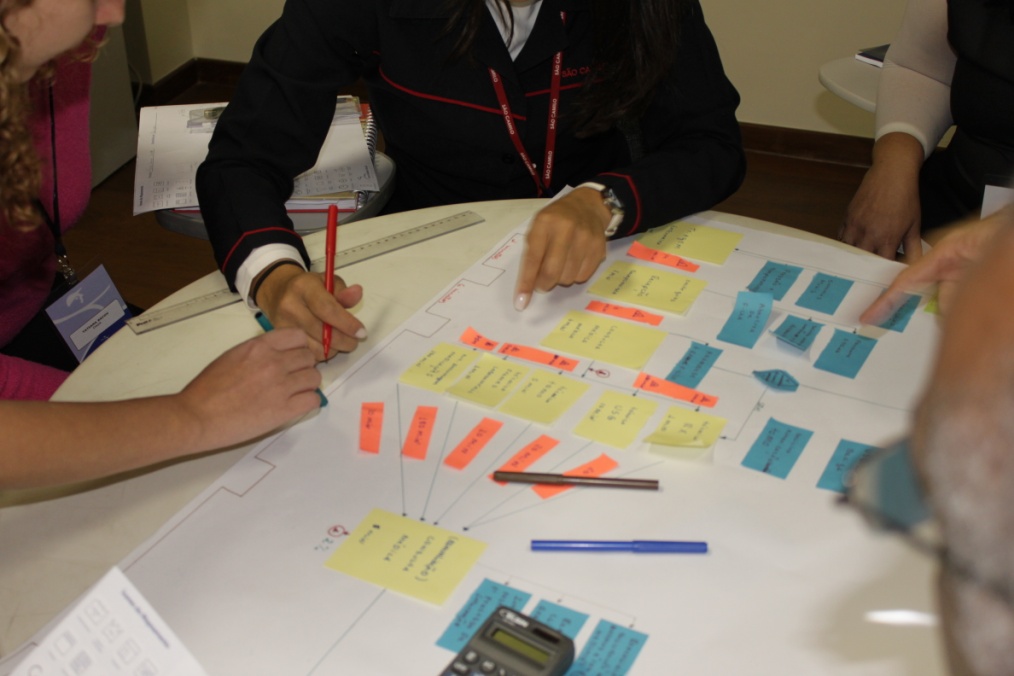
Fig. 01 - Value stream map built jointly by those who do the work.
With this in mind, the first step to take is defining the value stream. But what, after all, is a value stream?
It is a concept that represents all the steps needed to complete a product or service from start to finish. Unlike process maps, which document the activities performed and often hide the existing waste, value stream mapping is the “glasses” that let everyone who does the work see what creates value from the customer’s point of view, and that highlight waste in the form of waiting, rework, and overburden, which consequently always weigh on productivity, lead time, and quality.
Value stream mapping has a basic structure that can be defined as follows, through the following questions:
• Defining the scope: which value stream, which process will be the target of the improvement efforts?
• Drawing the current state: how do things work today? Where is the waste along the stream? What are the times for performing the tasks? How much waiting and rework is there? What is the total lead time and the net value-adding time? What improvement opportunities can be seen?
• Drawing the future state: what should the stream look like, maximizing value-adding time, eliminating waste, and creating continuous flow? What is the gap to achieve it?
Value stream mapping allows, among other things, everyone to understand how activities and processes really work from start to finish, from the request to the delivery of a service to the customer. A unique view, often obscured because work and improvements are carried out in a fragmented way. Value stream mapping allows everyone to “see the whole”.
One of the pioneering companies in creating an SSC in Brazil managed, as soon as it began its lean journey, with its first maps, to reduce the lead time in the process that runs from requisition to payment (req to pay) by 45%, increasing its productivity by 67%.
3. Planning the implementation through the “A3 Process”
Value stream mapping is a lean diagnostic tool. A map without a good implementation plan would be just one more waste if nothing is actually transformed. The main objective of achieving the future state drawn on the maps is to eliminate the existing gaps and achieve the planned results – the problem that needs to be solved, in light of the business purpose. At this point, no tool is more effective than the “A3 process”.
The A3 process (fig. 02) is a visual form of PDCA, an acronym formed from the English words plan, do, check and act. It is a practice in which the problem, as well as its analyses, corrective actions, and action plans, are written on a single sheet of paper (A3 size), usually using charts and figures.
In SSCs, A3 processes are evolving and being used as a standard method for problem solving, progress reporting, and planning exercises.
What really matters is the thinking used to build it. Presenting a project, a business plan, or a specific improvement in a given value stream through an A3 saves the time usually spent in endless meetings in conference rooms with countless PowerPoint slides, and vague thinking and solutions regarding the real problems and their causes.
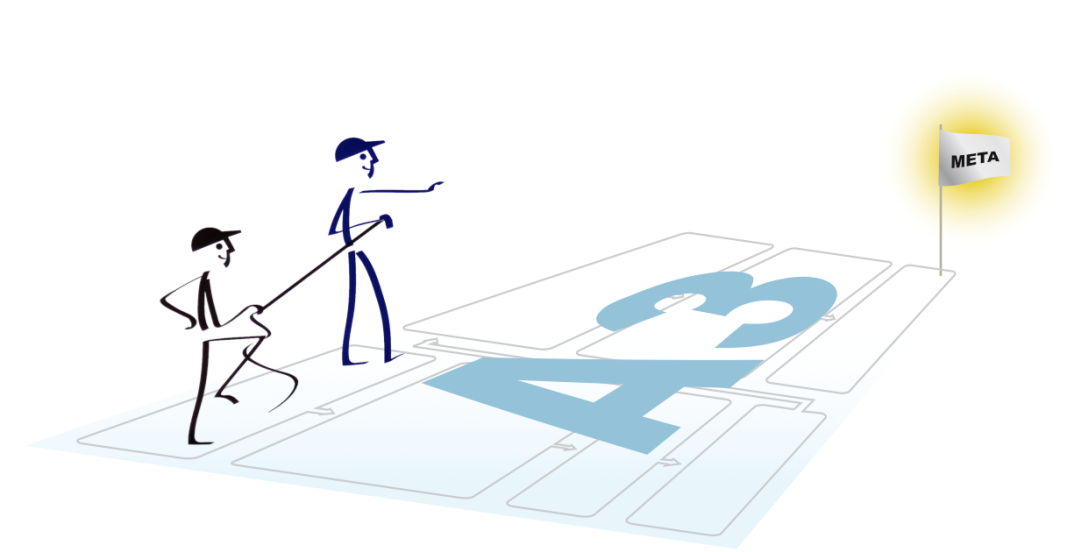
Fig. 02 - A3 Process - the entire value stream transformation project on a single sheet.
Starting from value stream maps – with the end-to-end view – combined with the application of A3 thinking, SSCs will be able to keep evolving and seeking gains in their processes after the maturity phase of their implementation.
By using these tools together, they will be able to understand the current situation more deeply before rushing to draw up plans or carry out automations that do not address the true causes of their problems.
4. Using the “A3 Process” to lead and engage people
The customers of SSCs (and of organizations in general) always see the company “horizontally”. That is why it is important for everyone, at every level, to see and seek solutions across the end-to-end of each process in each service (for example, in a “req to pay” or “order to cash” type process).
Verticalization and management in silos favor only people and departments, often making them more important than the customer.
When we use A3 thinking, organizing the elementary questions guided by the purpose of the lean model in the SSC, even before solving the problems, we want people to better understand the work they do, leaders to develop leadership and mentoring skills, and everyone to absorb, in a practical way, the tools for analyzing and solving problems, so that they can find the answers to cause-and-effect relationships – and be engaged in the improvements.
The A3 process and its way of thinking about a given situation translate into excellent hands-on training for professional development and for engaging everyone in the SSC’s improvements. With A3, we want to develop problem solvers and carry out process improvements without depending on experts to do so.
Companies with a traditional management model believe that people develop and learn by attending training courses or external events with a heavy theoretical load. Or that improvements should be limited to those led by process areas, specialists, or external consultancies.
Developing people with lean thinking in SSCs must be done through practical experiments, with real problems, understood and addressed by everyone at every level. Each leader, at each level, must take responsibility for developing and engaging his or her people for the evolution of lean in the SSC. No one else can do it for them. Without leadership orchestrating the transformation, in the long run the changes and gains will not last.
The leader must use the A3 process (fig. 03). He or she needs to be at the gemba (the place where things happen) and know how to ask exploratory questions of the teams in search of the cause of real problems. Leaders must listen to their people and encourage them, through each A3, in the pursuit of continuous improvement of the process by engaging everyone.
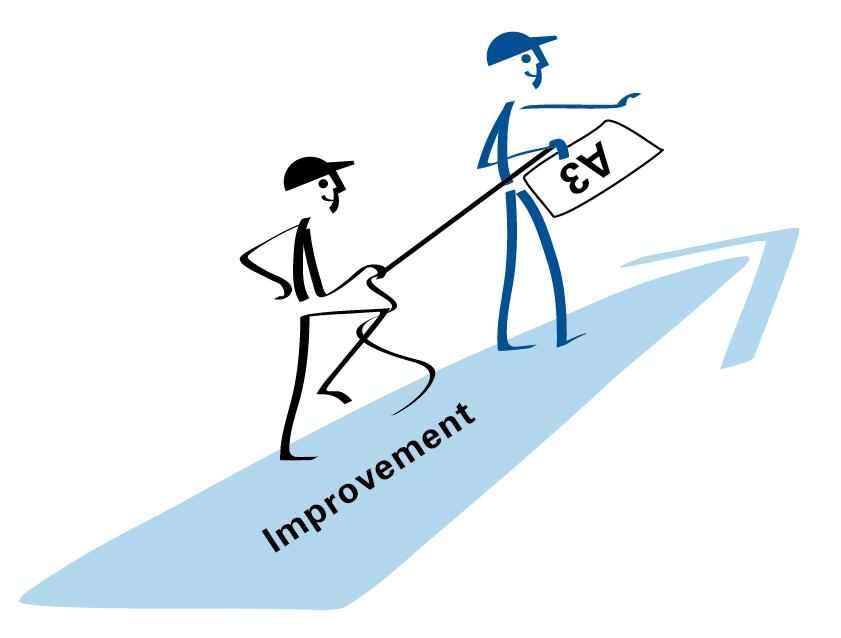
Fig. 03 - The A3 process should be used to lead, engage, and develop people
5. How to sustain the gains
Seeing the horizontal flows in SSCs through good value stream maps and using A3 thinking to introduce new behaviors and broaden the analysis of problems, causes, and solutions are valuable practices that make it possible to engage everyone in improvement.
To keep the gains achieved “alive” and continue improving, make problems, actions, and indicators visible to everyone through “visual management”. This lets everyone know how things are going by sharing the information held in computers. That way, you can break the questionable monotony of offices, making it clear how the “deliverables” are doing without having to issue reports, hold meetings in a room, or talk to anyone, just by “looking”.
In addition, visual management supports the concept of genchi gembutsu, which means “go directly to the place and see everything with your own eyes”, making “gemba walks” (the place where things happen) effective (fig. 04).
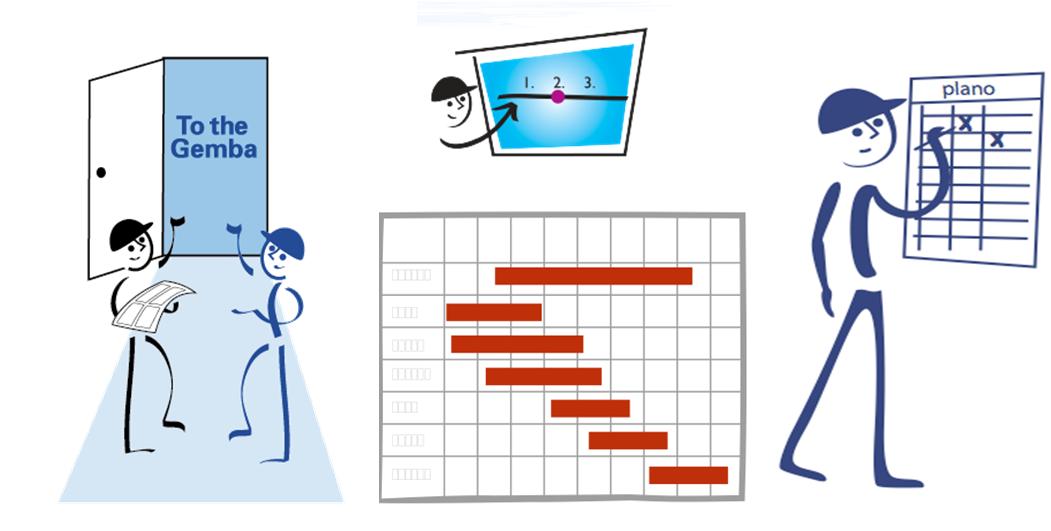
Fig. 04 - at the place where things happen (gemba), visual management should expose problems for improvement
Keeping these powerful tools active and giving visibility to new problems through visual management together represent the first steps to sustain the gains and keep evolving.When these steps and basic concepts described here are put into practice, the results will certainly prove, once again, that the lean thinking approach is the best path to follow to optimize SSCs.
The pioneering SSCs in applying lean thinking have already enjoyed these advantages; now they serve as an incentive (just as Toyota inspired other automakers a few decades ago) to those who have not yet taken the first step.
Finally, it is also very important to keep in mind that we must always embrace change aimed at a broader context: a transformation of mindset.
Improvement must be continuous, and the work is never done.







