Planning for higher productivity and lower environmental impact in urban development projects

Artesano Urbanismo, founded in 2017, has sustainability in its DNA. Since its founding, the company has sought to be a lean company, with internal processes designed to be objective and simple, based on the premises of lean thinking.
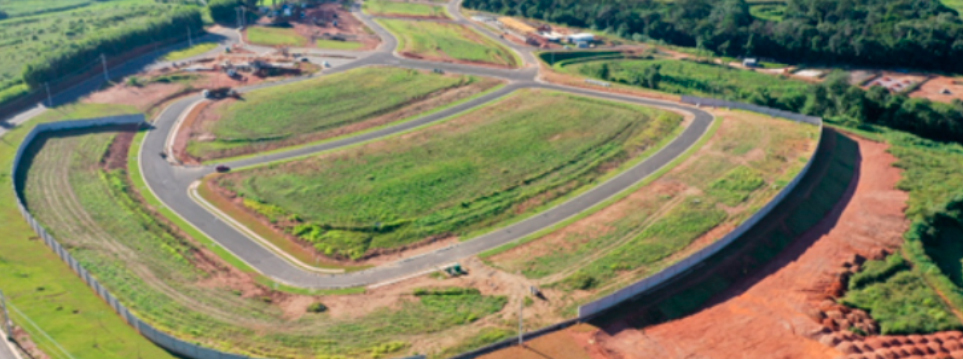
Its first development, Artesano Galleria, located in the city of Campinas, could not have been any different: before construction began, it implemented a lean project. This ranged from the stage of conceiving and defining the contract management model to detailed applications in construction activities, involving Artesano's engineering team and support areas, contractors and production crews.
A shorter schedule for the infrastructure scope, higher earthmoving productivity and reduced environmental impacts, such as a smaller carbon dioxide footprint thanks to diesel savings, were some of the benefits gained from using the methodology on the project.
Let's see how they achieved this.
How did the project start, and how were some Lean practices implemented?
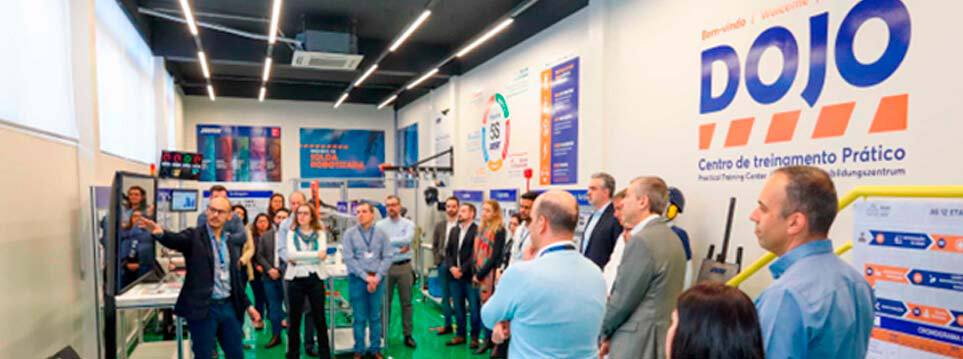
The initial focus of the Lean Construction implementation was on master planning and on building the capabilities of the infrastructure contractor. To this end, a two-day mobilization kick-off event was held. The first day of training was devoted to Lean good practices. The second day was “hands-on,” when the foundations of the plan of attack were established along with a draft of the first version of the line of balance, which remained the baseline until the end of the infrastructure scope. We also aligned the contract scope and defined the project's main risks, difficulties, potential and constraints.
The second stage of the project focused on designing and implementing management routines. To this end, a number of implementation, follow-up and feedback visits were made. After the first two months of implementation, the engineering and production team gradually adapted, creating synergy and understanding the purpose of the routines, which is rapid problem solving. Among the routines implemented are master planning, which takes place every three months; constraint and contract meetings, held every Monday; weekly planning, every Friday; and contractor management, which takes place daily.
With the implementation of the second stage, results began to appear and the work progressed at the planned pace. However, there was a big challenge: summer would arrive in three months, and with it, rain could be a major “villain” for the earthmoving.
Faced with this scenario, the Artesano and construction company teams got together to plan the execution of the earthmoving.

Benefits of understanding and planning the work in detail
Below are the tools that were used to understand, plan, control and improve the work in specific construction activities.
- Process study sheet (PSS): Data were collected over an entire workday at the earthmoving fronts, focusing on the hydraulic excavators. The most critical items identified by the PSS were the following: lack of fuel, travel to the work front and back to the parking area at the end of the day, poor sizing of truck cycles and the use of inefficient equipment for scraping, that is, using an excavator for this activity. At the end of the analysis, they calculated that each excavator could generate five thousand reais in extra revenue if these problems were solved.
- Planning sessions for electrical, sewer, plumbing and gas installation activities: Through planning sessions involving the production team, the crews for the installation fronts were detailed. In these sessions, they defined the sizing of the crews and the equipment used, the logistics for each of the fronts, execution targets for each crew and the internal division of these crews. One of the main contributions of these sessions was the feasibility of using a single “trench” to carry out all the installations. In this way, they used only one piece of equipment and avoided the rework of backfilling, compacting and excavating again.
- Daily management of activities: As a way to control and quickly solve the problems that arise in production, the installation crews were incorporated into the existing daily management. As a result, the team was fully committed to achieving the targets set in the project's master plan.
Shortening the schedule, increasing productivity and helping the environment
- Higher productivity at the earthmoving front: With the actions taken in this activity, it was possible to increase the excavators' productivity by 27%, thanks to the installation of a fuel tank and the fact that the excavators were left at the work fronts (in specific situations this was not possible, due to machine theft). This led to a new sizing of the crews and the creation of a new front with a much shorter AHD (Average Haul Distance).
- Reduction of the infrastructure scope schedule by two months: These actions made it possible to bring the earthmoving forward. Consequently, other activities could also have their schedules shortened, including the asphalt, which was going through a constant price increase.
- Diesel savings and a 38.6-ton reduction in CO2 emissions: With the use of short AHDs, the availability of machines at the work fronts and better sizing of truck cycles, there was a significant reduction in diesel consumption of 12 thousand liters, which led to a reduction of 38.6 tons of CO2.

What are the next steps in Artesano's lean journey?
Next steps in Artesano's lean journey
Artesano is completing the first cycle of its lean journey on a pilot project and has already achieved excellent results. The company is therefore consolidating the good practices generated on this development, incorporating them into its construction management system, and intends to take them to future projects.
The company understands that, for the lean DNA to be fully incorporated, the journey depends on several aspects, including partnership with contractors, which is fundamental to the success of any development.
Finally, it also seeks to connect its sustainability guidelines with the lean method, through indicators and spreadsheets, with the aim of continuing and expanding its cost and schedule gains while observing the company's sustainability guidelines.
The Artesano Urbanismo case reminds us that it is the responsibility of all of us to take care of the planet we live on, and Lean Construction allows us to do this while making processes more productive. It is a true win-win case.